Why you look tired - and what actually helps
One of the most common things patients say in clinic is: “I just look tired all the time.” Not older. Not necessarily wrinkly. Just… tired.
And usually what makes it more frustrating is that they often feel fine.
They’re sleeping better. Drinking water. Doing skincare. Some are exercising more than I am. Yet people are still asking if they’re stressed, run down, overworked, or “okay.”
Rude.
But the reality is, looking tired is rarely caused by one single thing. It’s usually a combination of subtle anatomical and skin changes that collectively make the face appear less fresh, less bright, and less rested.
And contrary to what social media would have you believe, there usually isn’t one miracle treatment that fixes it instantly.
“Tired” Is Usually A Combination Of Things
Most patients come in thinking the issue is:
- Under-eye hollows
- Wrinkles
- Dark circles
But often the real contributors are a mix of:
- Volume loss
- Skin thinning
- Pigment
- Redness
- Dehydration
- Loss of skin elasticity
- Sun damage
- Facial heaviness
- Poor light reflection from the skin
- Hollowing around the eyes or temples
- Loss of contrast in the face
- General collagen depletion
This is why simply “adding filler under the eyes” often doesn’t magically fix someone looking tired.
Because sometimes the under-eyes are not actually the main issue at all.
The Under-Eye Area Gets Blamed For Everything
The poor under-eye region honestly cops it.
Every second person thinks they need tear trough filler because TikTok told them so.
But the under-eye area is actually one of the most technically difficult and high-risk areas to treat in cosmetic medicine.
And not everyone is a suitable candidate.
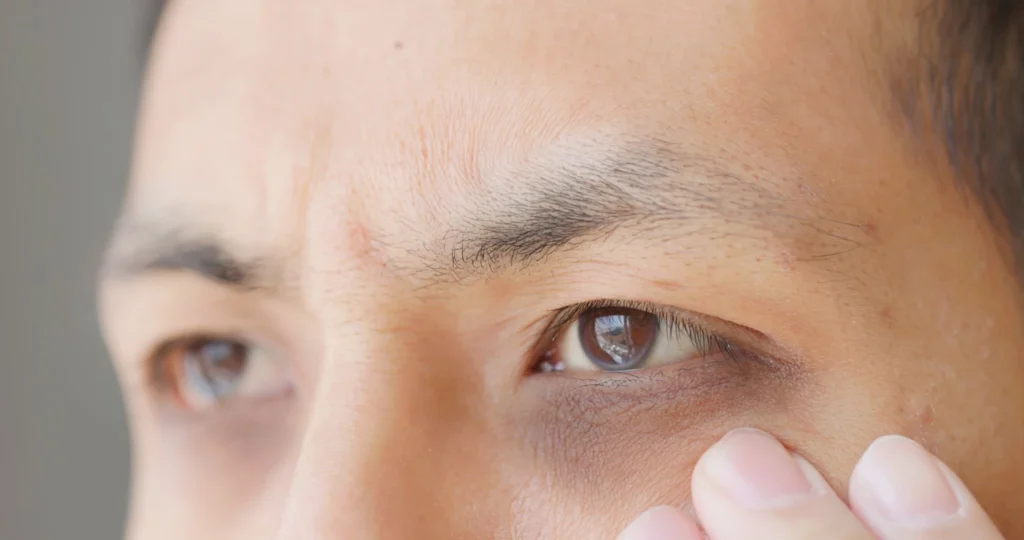
Sometimes what patients think is a hollow is actually:
- Mid-face volume loss
- Cheek descent
- Pigment
- Thin translucent skin
- Puffiness
- Fat pad herniation
- Genetics
- Lifestyle factors
- Or simply normal anatomy
Adding filler to the wrong patient can absolutely make someone look worse.
Puffy. Swollen. Artificial. Heavy.
Unfortunately, we’ve all seen it.
This is why good assessment matters far more than simply chasing one area.
Looking “Fresh” Has More To Do With Skin Quality Than People Think
This is the part social media tends to skip because skin quality improvements take time and patience.
But honestly?
Healthy skin often makes a bigger difference than perfectly smooth skin.
When skin reflects light properly, the face automatically looks:
- Healthier
- More hydrated
- More awake
- More youthful
- More expensive, frankly
Whereas dull, dehydrated, sun-damaged skin tends to absorb light and exaggerate shadows.
That’s why some patients get far more improvement from:
- Laser resurfacing
- Skin rejuvenation
- Pigment reduction
- Collagen stimulation
- Medical skincare
- Hydration restoration
Than they do from chasing more filler.
Good skin carries the face harder than people realise.
Volume Loss Is A Huge Part Of Ageing
As we age, the face gradually loses structural support.
Fat pads shift. Bone subtly remodels. Collagen decreases. Ligaments loosen. Skin becomes thinner.
The result is often:
- Hollowing
- Flattening
- Shadowing
- Heaviness lower in the face
- Less support around the eyes
This is why patients sometimes say:
“I look exhausted even when I’m not.”
Because the face literally reflects light differently as support structures change.
And this is also why overfilling the face trying to “replace volume” can become a disaster very quickly.
The goal should rarely be to inflate the face back to how it looked at 22.
That’s how people end up looking oddly puffy yet somehow simultaneously tired.
A true medical mystery!
Sometimes The Problem Isn’t Cosmetic At All
This part matters.
Not everyone who looks tired needs cosmetic treatment.
Sometimes patients need:
- Better sleep
- Stress management
- Blood tests
- Iron replacement
- Hormonal assessment
- Allergy management
- Better nutrition
- Less alcohol
- To stop working 80-hour weeks fuelled entirely by iced lattes and emotional suppression
Cosmetic medicine should complement health.
Not replace it.
A good consultation should always consider the bigger picture.
Men And Women Often Present Differently
Men often present saying:
“I just look angry or exhausted.”
Women more commonly say:
“I look flat, dull, or older.”
But anatomically, the contributing factors can be very different.
Men often age through:
- Brow heaviness
- Hollowing
- Skin redness
- Structural descent
- Volume deflation
Whereas women often notice:
- Skin thinning
- Collagen decline
- Volume changes associated with hormonal shifts
- Increased skin laxity
This is why treatment planning should always be individualised.
Not copy-pasted from Instagram trends.
Sometimes Less Treatment Looks Better
One of the biggest mistakes in aesthetics is overtreating someone trying to look “less tired.”
Patients often think:
More filler = more refreshed.
That is very, very not always true.
Overfilled faces can actually reflect light poorly, distort natural facial movement, and create heaviness that paradoxically makes someone look more fatigued.
The best aesthetic outcomes are usually subtle.
People shouldn’t necessarily know what changed.
They should just think:
“You look well.”
That’s the sweet spot.
There Is No “Perfect” Face
This is important to remember.
Every human face naturally has:
- Shadows
- Asymmetry
- Movement
- Texture
- Variation
Social media filters have completely warped expectations of what real skin and real faces look like.
Nobody naturally looks airbrushed in clinic lighting at 8:30am on a Tuesday.
Not even the practitioners.
Especially not the practitioners!
-
Written by Dr Brandon Kober-Brown MBBS, Prof. Dip. Men's Health, GCCM
Registered Medical Practitioner (General Registration) MED0002581903
Disclaimer: This article is intended for general educational purposes only and should not be taken as personal medical advice. It is not a substitute for a consultation with a registered medical professional. Suitability for skin and other treatments varies between individuals and should be assessed by an appropriately qualified practitioner.