Skin texture & radiance
Surface renewal using the CO2 component. Improved texture, tone, pore size, and radiance. One of the most visible and immediate outcomes of laser skin treatment.
Skincare chosen by Dr Brandon. Delivered, or free click & collect at Potts Point.
Shop all products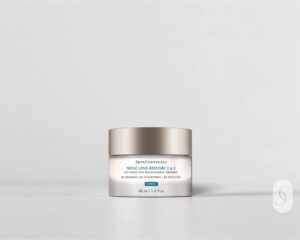 Triple Lipid Restore 2:4:2 Anti-Ageing Moisturiser
Lipid-replenishing cream for mature, depleted skin.
Triple Lipid Restore 2:4:2 Anti-Ageing Moisturiser
Lipid-replenishing cream for mature, depleted skin.
Skin texture, collagen stimulation, skin laxity, scar revision, and periorbital rejuvenation. Low downtime. Personalised results for all skin types.
Dr Brandon uses the Alma Hybrid Laser – combining CO2 and non-ablative erbium laser – to address skin quality concerns with precision. The right protocol is selected specifically for your skin type, concern and acceptable downtime.
The Alma Hybrid Laser uses two wavelengths simultaneously to address skin quality at multiple levels. CO2 ablative laser treats the surface – resurfacing texture, tone, and superficial concerns. Non-ablative 1570nm laser works deeper – stimulating collagen and elastin without removing the surface. Both happen in a single treatment session.
All settings are personalised. The same device used at different parameters produces very different outcomes. Dr Brandon selects the approach specific to your skin type and concern – not a standard protocol applied to everyone.
Surface renewal: the CO2 component removes damaged skin cells in a controlled, fractional pattern. New skin forms as part of the healing response – improving texture, tone, fine lines, and radiance. This is what 'skin resurfacing' means.
Collagen stimulation: the non-ablative component penetrates deeper tissue without removing the surface. Over weeks, new collagen and elastin form – improving skin firmness, reducing fine lines, and addressing mild laxity from the inside.
Both at once: the Hybrid delivers surface renewal and deep collagen stimulation in a single session. Most laser devices do one or the other. The Hybrid does both – with the ratio of each adjustable for your concern and your tolerance for downtime.
Three treatment approaches: a longer recovery 'super renewal' option for those wanting the most significant results; a lunchtime rejuvenation setting with minimal downtime; and a scar revision protocol using a specific fractional pattern to remodel scar tissue. Dr Brandon selects the right protocol in consultation.
Collagen remodelling continues for several months after treatment. Early improvements are visible as the skin heals. The most significant results typically appear at 3-6 months. Most patients require 1-3 treatments depending on the concern and the protocol used.
CO₂ laser outcomes are closely linked to the level of downtime you’re able to realistically tolerate. More intensive treatment settings typically involve longer recovery, but deliver more significant, transformative results. Lower-intensity treatments still provide meaningful and noticeable improvement, however a series of sessions may be required to achieve optimal outcomes.
Surface renewal using the CO2 component. Improved texture, tone, pore size, and radiance. One of the most visible and immediate outcomes of laser skin treatment.
Ablative CO₂ laser is one of the few treatments with strong evidence for treating actinic (pre-cancerous) changes in sun-damaged skin. By removing damaged epidermal layers and stimulating cellular renewal, it promotes the replacement of atypical cells with healthier tissue. Can also assist in reducing pigmentation by shedding melanin-laden cells and encouraging a more even skin tone.
Non-ablative collagen stimulation addresses mild to moderate skin laxity and fine structural lines. Results build over months as new collagen forms.
A specific fractional pattern stimulates remodelling of scar tissue. Acne scarring, surgical scars, and textural scarring. Results develop progressively over several months.
The area around the eyes is one of the most impactful areas for laser treatment. Fine lines, crepey skin, and surface quality around the eye can all be addressed with appropriate settings.
For patients wanting the most significant surface improvement, a full-face resurfacing protocol delivers comprehensive renewal of skin texture, tone, and quality in a planned recovery window.
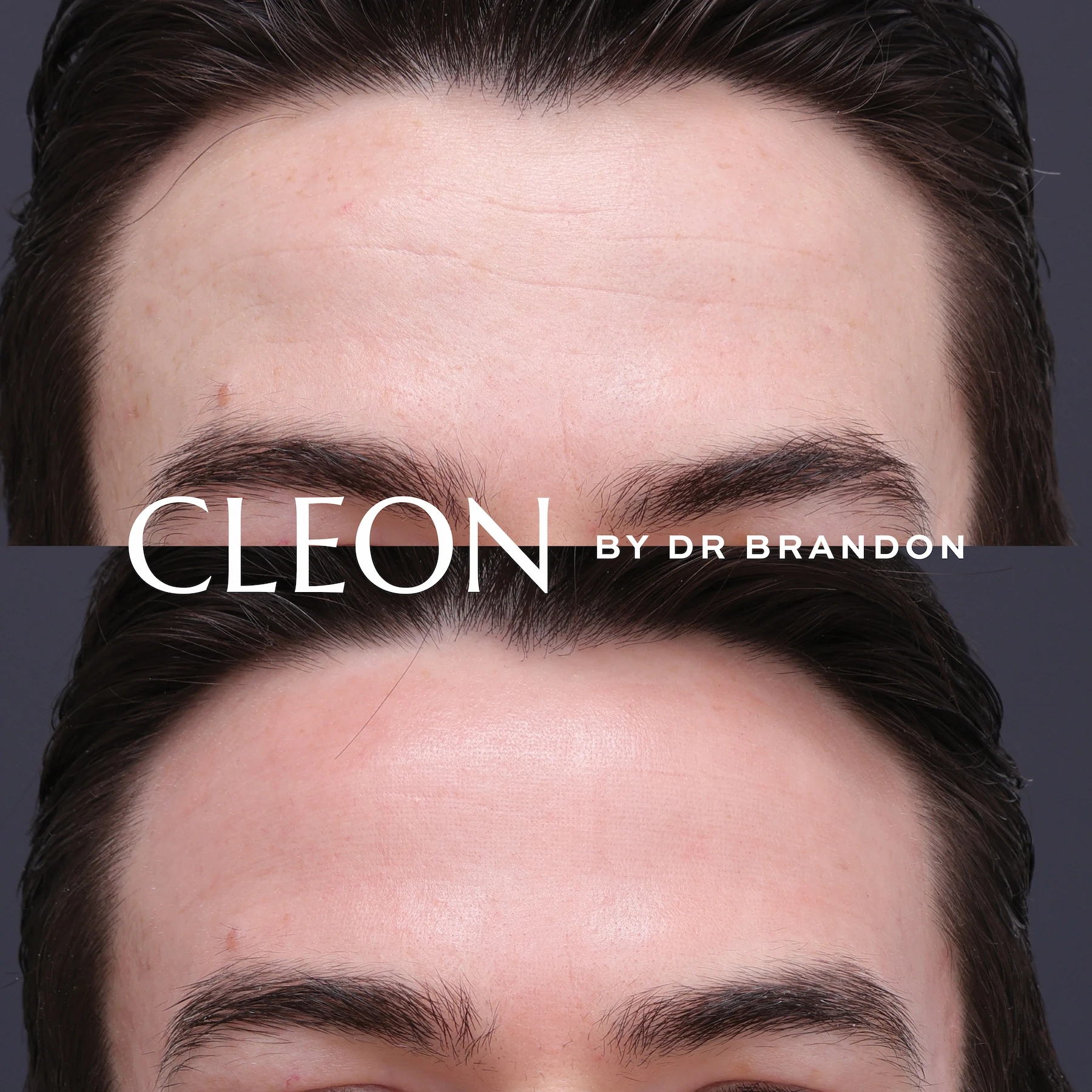
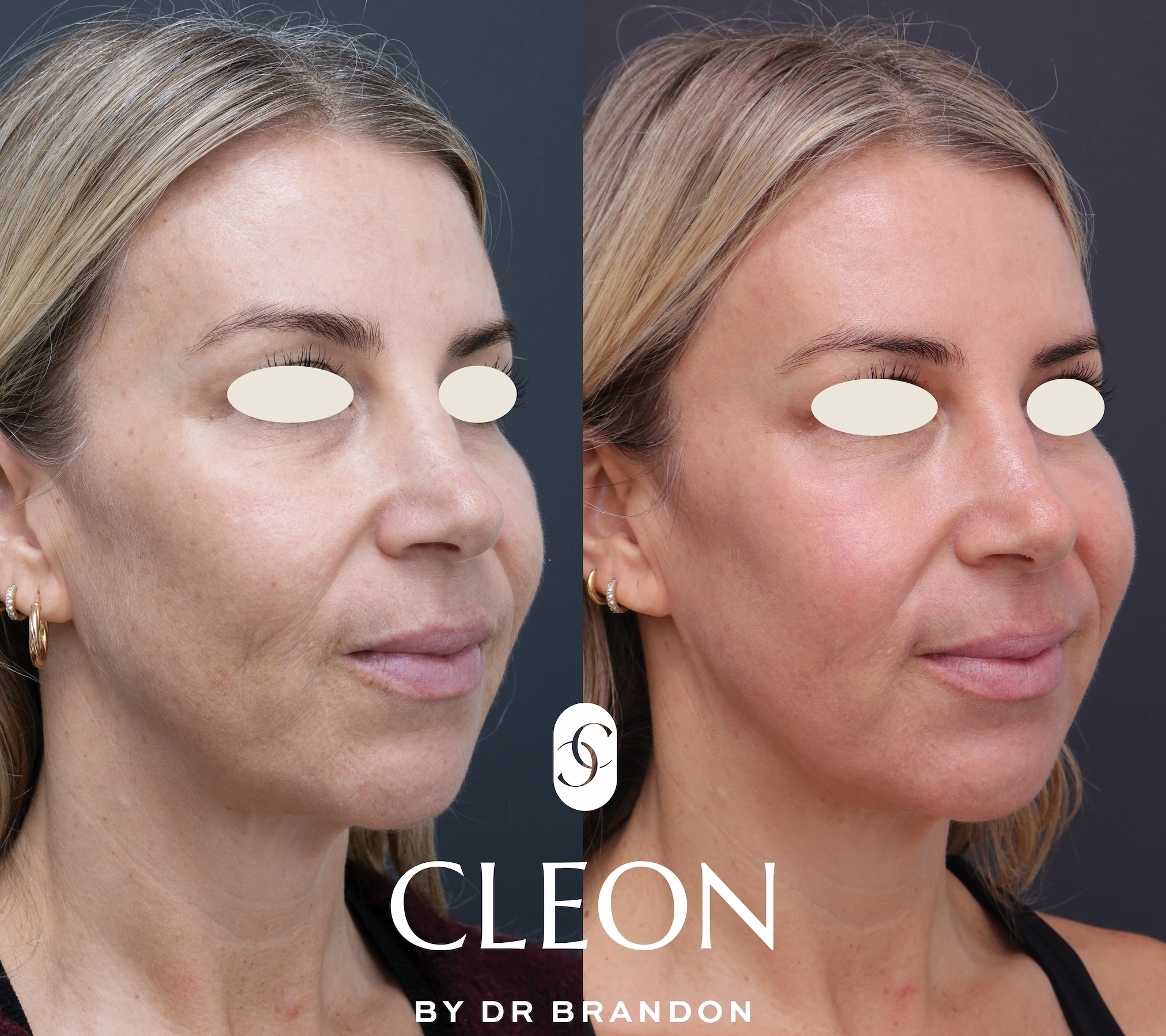
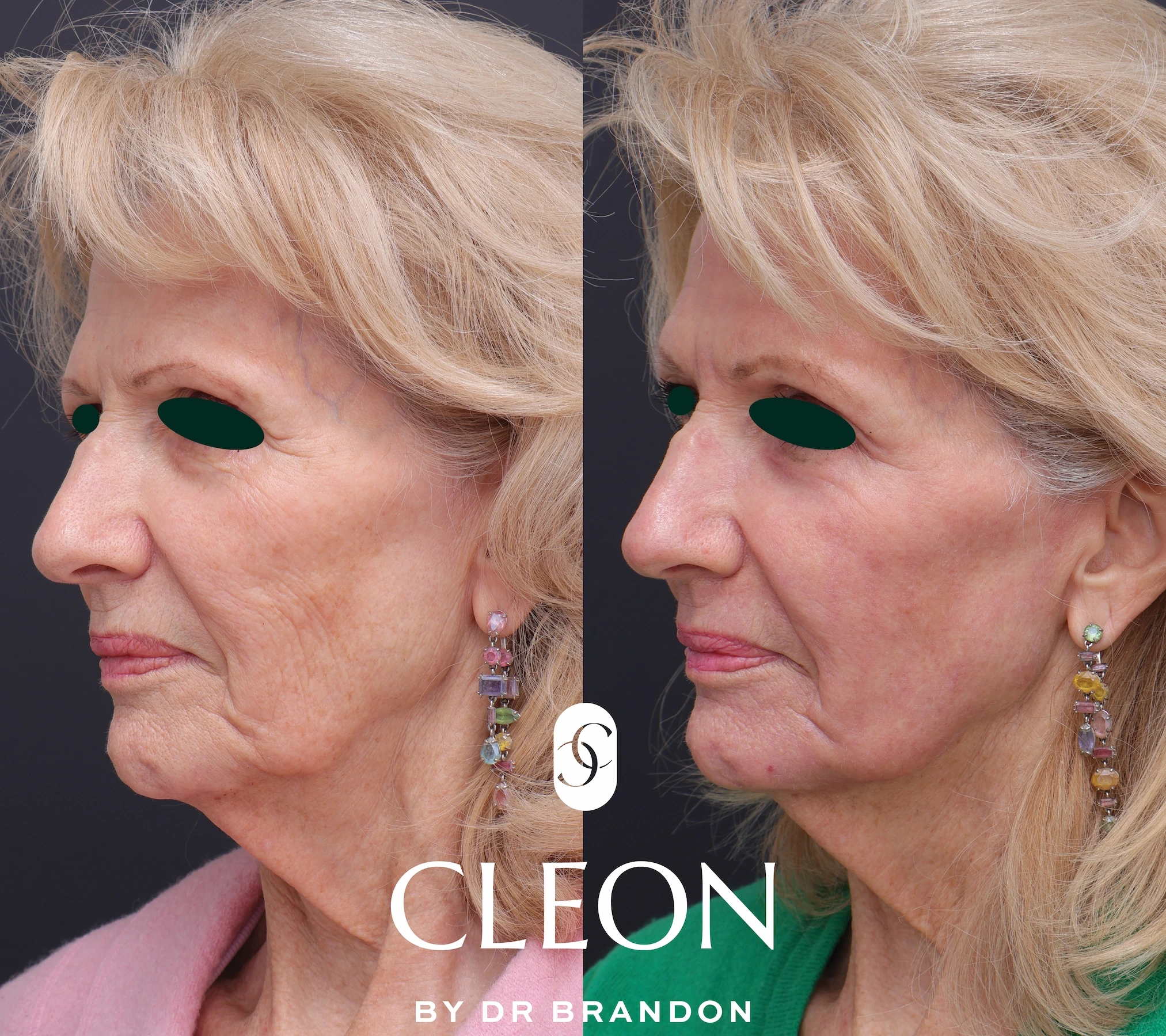
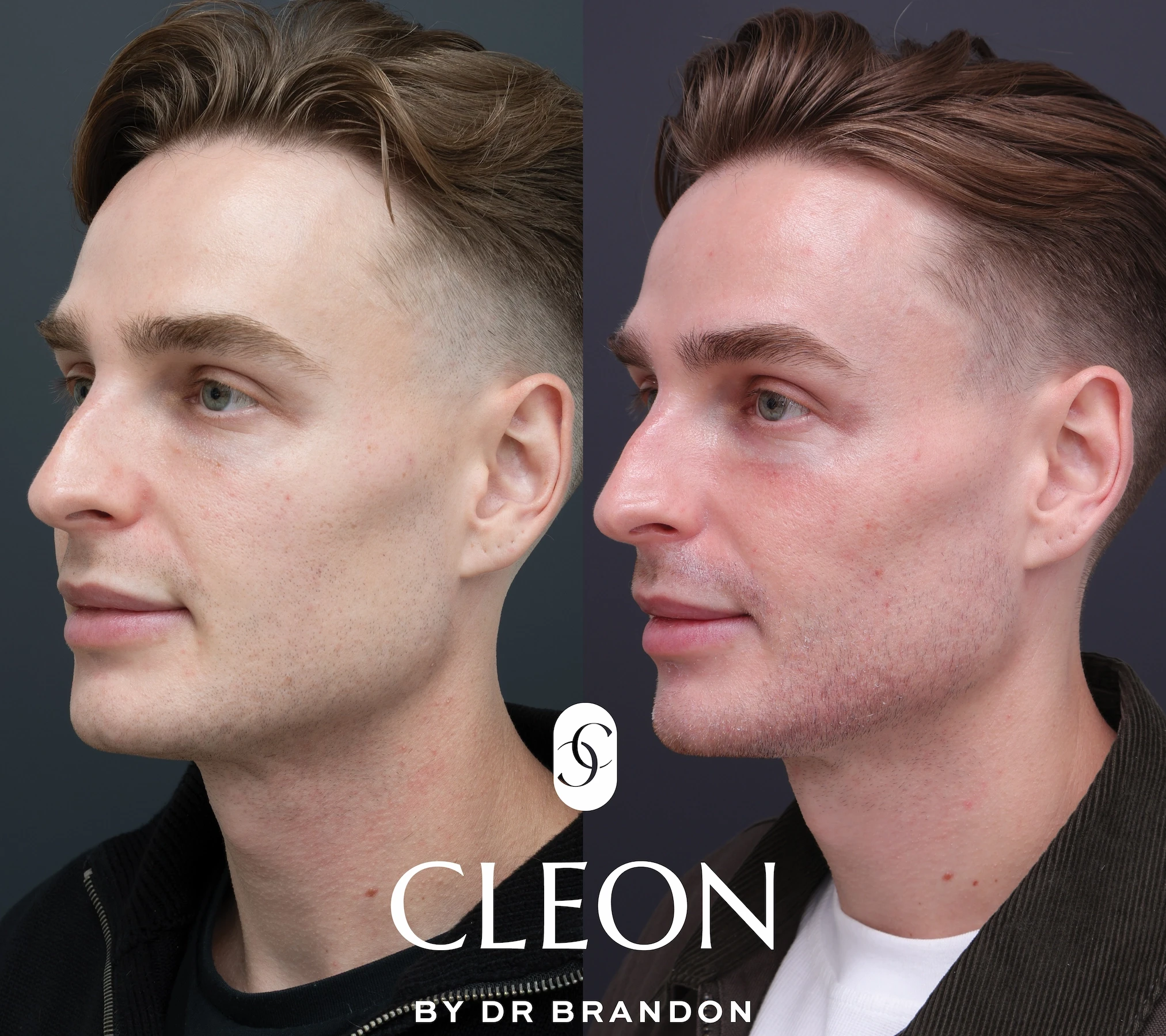
RESULTS
Real patient results. Individual outcomes vary – your results depend on your skin type, the concern treated, and the protocol selected.
Heat and redness
Treated skin feels warm and appears red. Possible mild swelling. Keep skin cool and moisturised.
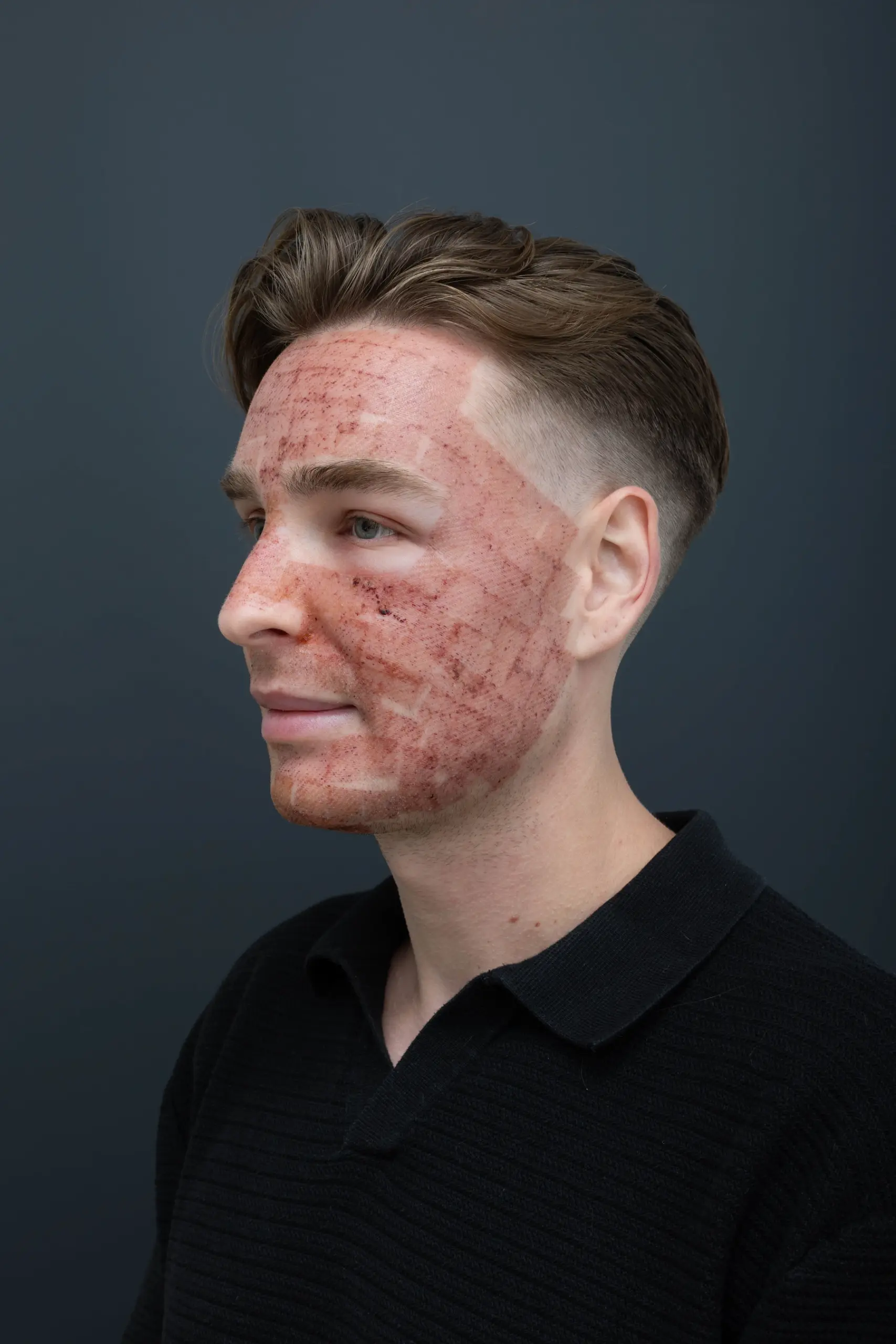
Peeling begins
Skin begins to shed the treated layer. Do not pick or disrupt the peeling – this is part of the healing process.
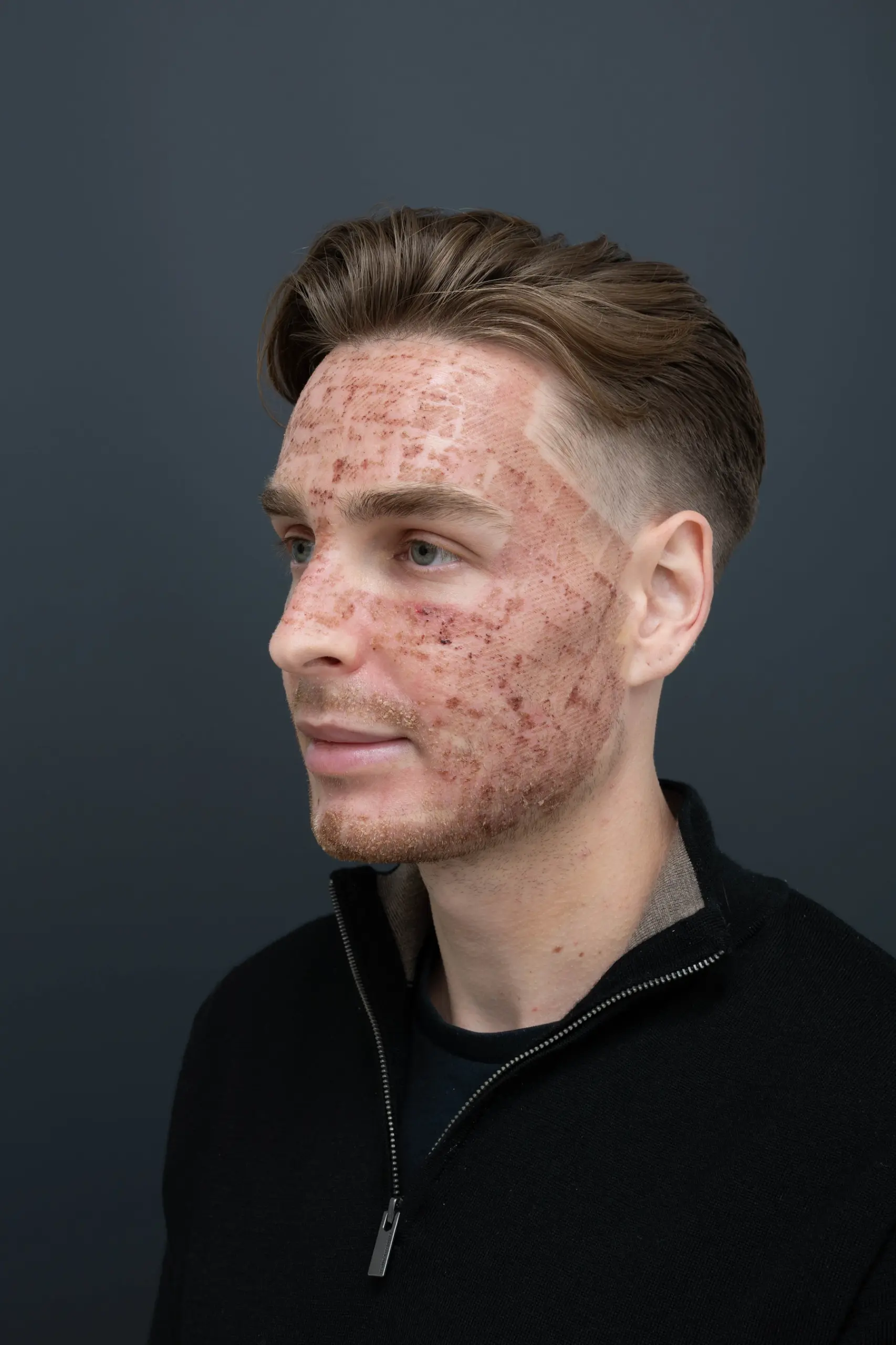
Peeling complete
Most peeling resolved. Skin appears pink and noticeably smoother. SPF essential from this point.
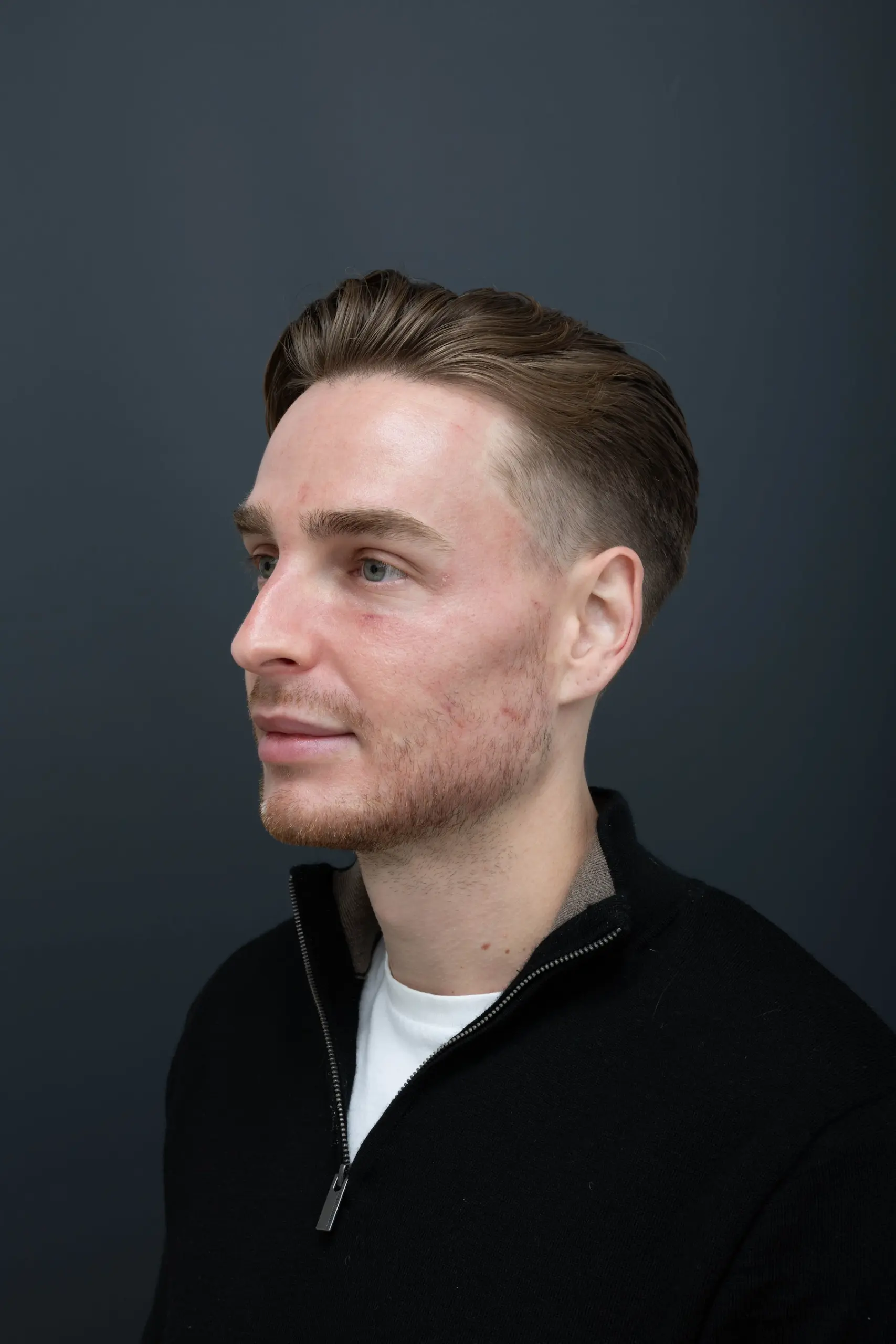
Skin normalises
Redness fades, skin function normalises. The surface result is clearly visible.
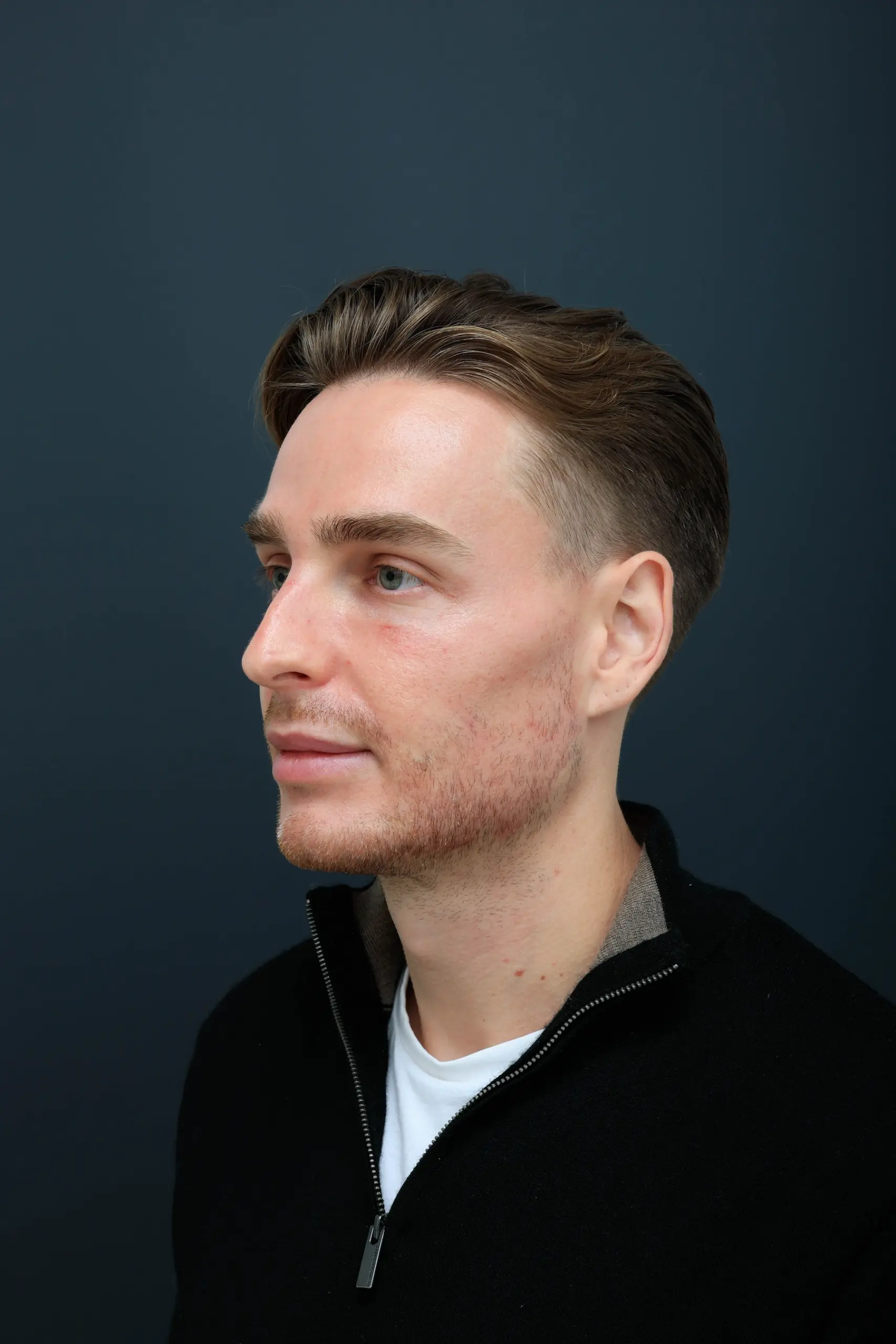
Collagen builds
Collagen remodelling continues for months. Results improve progressively. Best results at 3–6 months.
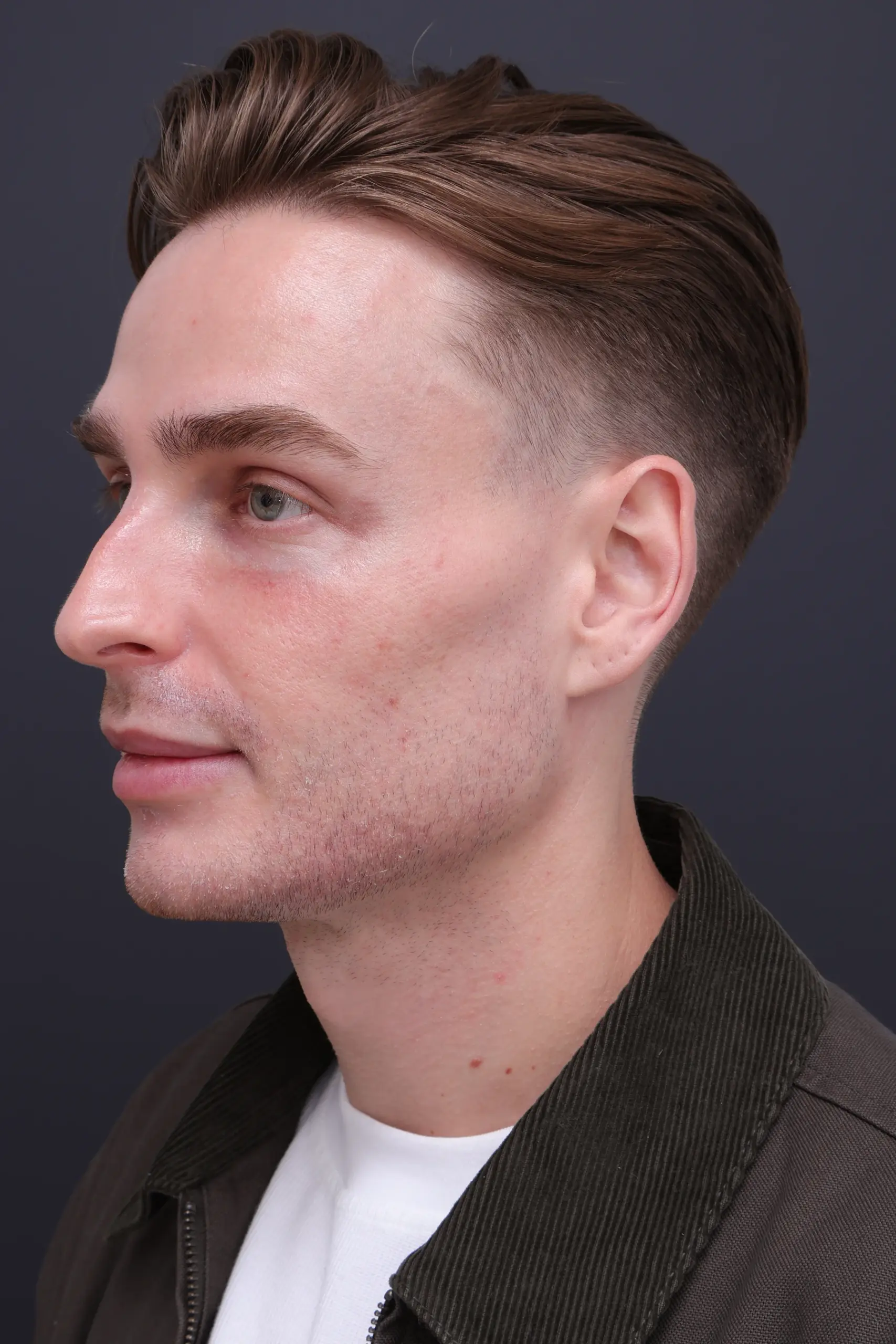
Downtime varies by protocol. Dr Brandon discusses what to expect – a more intensive protocol produces better results but requires more recovery.
'Laser' covers a wide range of technologies that work differently and suit different concerns.
| Approach | Mechanism | Best suited for | Downtime |
|---|---|---|---|
| CO2 ablative laser | Removes skin surface (ablation). Triggers wound healing. | Resurfacing, texture, deep wrinkles, scars | 5–10 days |
| Non-ablative laser (1570nm) | Heats dermis without surface removal. Collagen stimulation. | Laxity, structural quality, gradual improvement | Minimal |
| Alma Hybrid (both) | Simultaneous CO2 + non-ablative in one session | Multiple concerns at once. Customisable ratio. | Fully customisable downtime |
| BBL (broadband light) | Broad-spectrum light. Targets pigment and vessels. | Pigmentation, redness, overall tone | Minimal |
| IPL (intense pulsed light) | Not laser. Multiple wavelengths. Superficial treatment. | Superficial pigment, redness | Minimal |
FREQUENTLY ASKED
The Alma Hybrid is a dual-wavelength laser combining CO2 ablative (10,600nm) and 1570nm non-ablative. It treats multiple skin depths in a single session.
Yes. Cleon by Dr Brandon is a laser clinic in Potts Point, Eastern Suburbs Sydney. CO2 laser, fractional laser, and laser resurfacing all available.
Depends on the concern and depth of treatment. Dr Brandon provides a realistic plan in the consultation – not a standard number of sessions.
CO₂ treatments typically involve 5–14 days of downtime, depending on the intensity of the settings and how they are tailored to your lifestyle and goals. In contrast, non-ablative laser treatments generally have minimal to no downtime. All treatment parameters, expected recovery, and individual suitability are carefully discussed during your consultation.
Not all lasers are appropriate for all skin types. Darker skin tones require careful assessment and specific settings. Dr Brandon assesses this carefully before any protocol is agreed.
CO2 laser ablates the skin surface and stimulates collagen through wound healing. BBL uses broadband light to target pigment and vascular concerns without surface removal. Different tools for different concerns.
Yes. Fractional laser is one of the most effective approaches for acne scarring. It creates controlled micro-channels in scar tissue, stimulating remodelling. Candidacy and depth assessed in consultation.
Fractional laser treats a fraction of the skin surface, leaving surrounding tissue intact. This allows significant collagen stimulation with faster recovery than full-field ablation.
Laser-treated skin is more sensitive to sun. Summer treatment requires diligent SPF and sun avoidance. Dr Brandon discusses timing in the consultation.
Surface results are long-lasting with good sun protection. Collagen stimulation continues to improve over 3–6 months. Ongoing maintenance depends on the concern and individual ageing.
Most patients describe a sensation of heat during the procedure. As a doctor-led clinic, we utilise more effective medical-grade anaesthesia to optimise comfort, and can support you with additional measures to help you feel relaxed throughout your treatment.
Laser skin rejuvenation refers to using laser to improve overall skin quality – texture, tone, radiance, and fine lines. It's a broad term that can involve different laser types depending on the specific concern.
Cleon by Dr Brandon is a laser clinic in Potts Point, Sydney's Eastern Suburbs. Online consultations available for patients across Sydney.
Avoid significant sun exposure in the 2–4 weeks prior. Avoid certain medications that affect skin. Dr Brandon provides a full pre-treatment protocol at the consultation.
This depends on the type and depth of pigmentation. BBL suits superficial pigmentation and redness. CO2 and fractional laser address deeper concerns. The consultation determines what is appropriate for your skin type and pigmentation.
The information on this page is prepared by Dr Brandon Kober-Brown MBBS and reviewed with reference to current clinical practice and relevant Australian guidelines.
Therapeutic Goods Administration (TGA) – Advertising guidelines for therapeutic goods in Australia
Cosmetic Physicians College of Australasia (CPCA) – clinical standards and member code
The consultation comes before anything else – online or face to face at Potts Point.
What patients say about Cleon

Dr Brandon is warm, approachable and professional and a very kind and caring doctor.
I've just visited Cleon by Dr Brandon in his new state of the art premises in the "Post" building. It's very impressive and Dr Brandon provides a first-class service.
Such a great clinic led by Dr Brandon! Highly recommend!!
Choose your consultation type and follow the prompts to choose a time that works for you.