

Skin Quality · Potts Point, Sydney
Skin Quality Treatments in Sydney
Skin that looks like you slept well.
Your skin changes every day. Cell turnover slows, collagen thins, pigment settles where the sun has been, and pores and old scars start to show. Peels, needling, laser, LED, PRP: there’s no shortage of ways to treat it. The difference is knowing which will actually improve your skin, and when. That’s what the consultation is for.

The approach
What is Skin Quality at Cleon?
The part of the clinic that works on the skin itself. Not a device, and not a product line: an assessment of what’s driving your skin, and a plan built from it.
Skin Quality at Cleon covers texture, tone, pigment, pores, scarring, hydration and firmness. We assess your skin and what’s behind the concern, then build a plan from chemical peels, skin needling, laser resurfacing (SoftLift, PixelPeel and the Alma Hybrid), LED light therapy, PRP, skin boosters and clinic-prescribed skincare, in the right order and at the right spacing. Every plan is overseen by a doctor. Skin treatments have set prices. Where a line, a shadow or lost structure is the real cause, that’s planned through Ageing Well or Beautification, and we’ll say so.

Surface & device
Device-led treatments that change the skin you can see: chemical peels, skin needling, PixelPeel and the Alma Hybrid laser. The right device, and the right settings, chosen for your skin rather than run from a menu.

Skin quality & regeneration
Treatments that improve how the skin behaves over time: hydration, elasticity and repair. LED light therapy, PRP made from your own blood, skin boosters placed in the skin, and prescribed skincare at home.

Medical & structural
Sometimes what looks like a skin problem is a line, a shadow or lost structure. Where that’s the case, prescription-only treatments are discussed at your consultation, and the plan sits alongside Ageing Well or Beautification.
The treatments
Which skin treatments do we offer in Sydney?
Your plan is set in consultation. These are the treatments it’s built from, each with its own page.

LED light therapy
Dermalux Tri-Wave MD. Red, blue and near-infrared light for healing, redness, breakouts and dull skin. Twenty minutes, no downtime.
Chemical peels
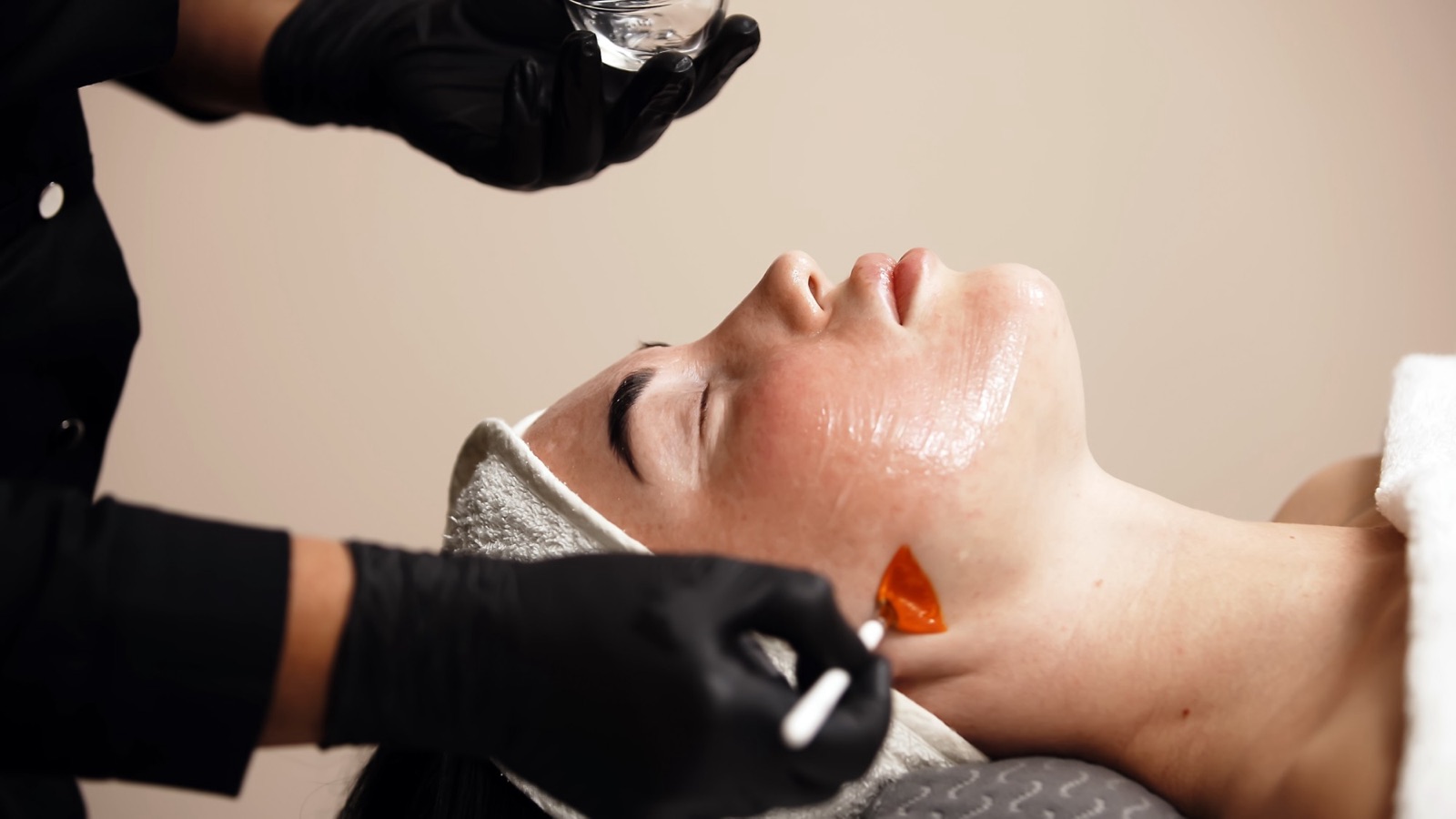
SkinCeuticals peels, from the gentlest to a pigment-correcting peel. Texture, tone, congestion and sun damage, with a few days of flaking at most.

Skin needling
Fine needles that trigger your own collagen. Texture, pores, fine lines and acne scars, on its own or with PRP.

PRP for skin
Your own platelets, concentrated and returned to the skin. Quality, glow and healing, often paired with needling.

SoftLift laser
The Alma Hybrid’s 1570 nm laser on its own. Firms and smooths with hours of downtime, not days. The lunchtime lift.

PixelPeel
Light CO2 resurfacing. Real texture change with days of recovery rather than weeks, and repeatable year-round.

Alma Hybrid laser
CO2 and 1570 nm together for deeper lines, sun damage and scar revision. The strongest option, and the most downtime.

Clinic-prescribed skincare
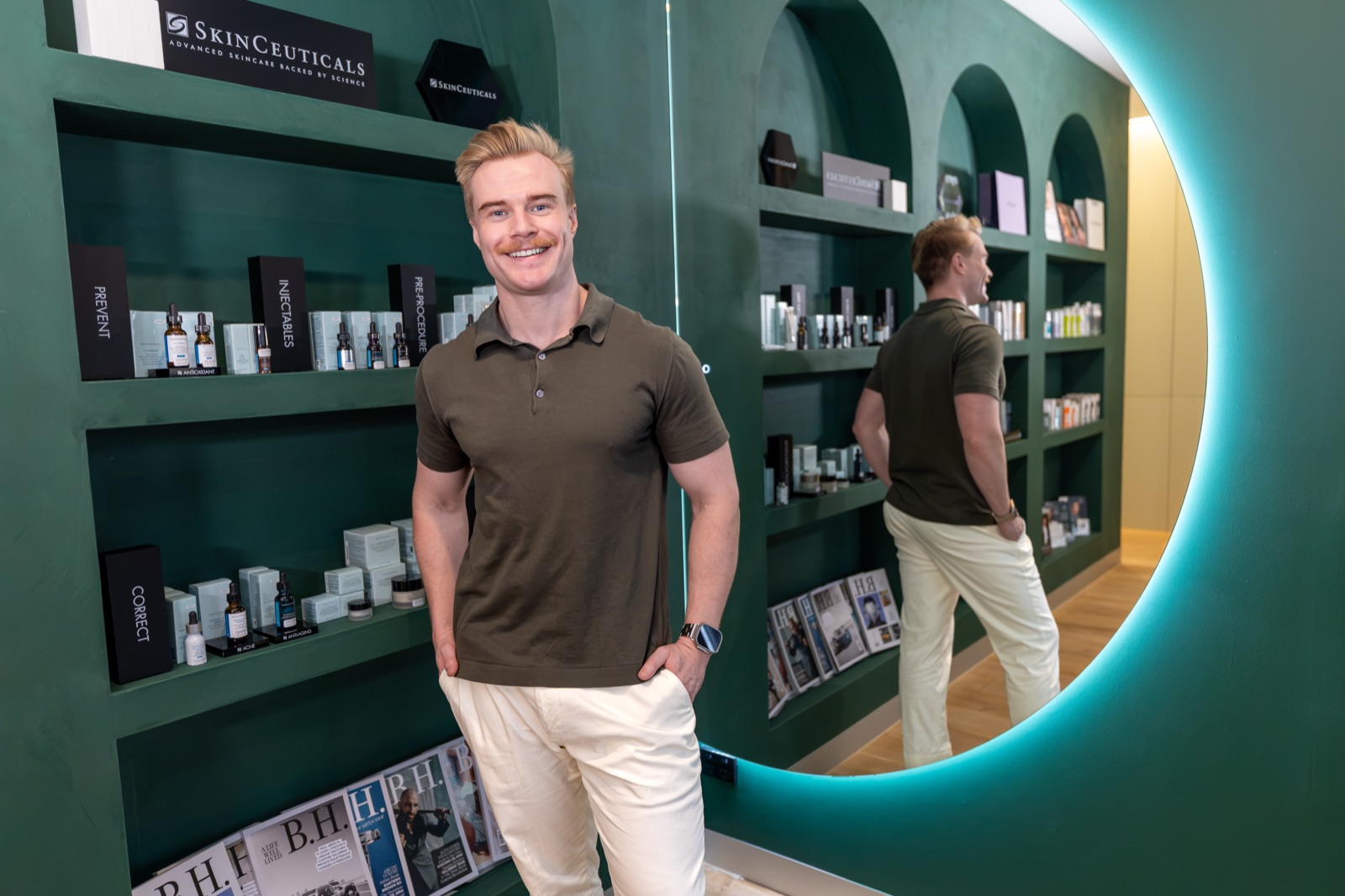
What we’d prescribe ourselves: SkinCeuticals, Alastin, Dermaceutic and more, chosen for your skin. Testers are out on the shelves.
Lines of expression, volume and structure are planned through anti-wrinkle treatment, Ageing Well and Beautification. An IV drip can be added to most of these treatments. Men have the same treatments on the men’s side of the clinic, Male by Cleon.
Hydration
Why is skin hydration so important?
Because almost everything else on this page depends on it. Hydrated skin is plumper, smoother, more elastic and quicker to heal. Dehydrated skin shows every line, scatters light instead of reflecting it, and recovers slowly from treatment. It’s the first thing we assess, and often the first thing we fix.
-
Where the water is
In the dermis, not on the surface
Most of your skin’s water is held in the dermis by hyaluronic acid, a molecule that binds many times its own weight in water. It’s what gives young skin its bounce. From the mid-twenties we make less of it each year, and what’s there breaks down faster with sun, smoking and stress.
-
What happens when it drops
Dehydrated, not just dry
Dry skin lacks oil. Dehydrated skin lacks water, and oily skin can be dehydrated too. The signs: fine lines that appear by the afternoon, a dull, grey cast, make-up that sits in creases, tightness after cleansing, and skin that looks tired however you slept. Dehydrated skin also heals more slowly, so every other treatment works less well on it.
-
Why cream alone can’t fix it
Three ways in
Moisturisers and hyaluronic acid serums hydrate the surface and slow water loss, and they matter every day. But they don’t reach the dermis, and drinking more water barely changes it. Hydration at depth takes three things: hyaluronic acid put back into the skin itself, treatments like PRP and LED that improve how the skin holds water, and a barrier that stops it escaping.
The most direct way to rehydrate skin is to put hyaluronic acid back where it belongs. A skin booster is hyaluronic acid with no cross-linking to hold a shape, placed in a few points on each side of the face. Over the following days it spreads through the skin, draws water into the dermis and prompts the skin to make more of its own collagen and elastin. The term for it is bio-remodelling. The result is skin that’s better hydrated, firmer, more elastic and more luminous, with no change of shape or volume: your face, well rested.
It’s a course of two treatments about a month apart, judged at around two months, with a top-up about every six months to keep it. Small bumps at each point settle within a day. The face, neck, décolletage and hands can all be treated. Which product suits your skin, and the price, are discussed at your consultation. Book a consultation
What it addresses
What skin concerns can we treat?
Most people arrive with a concern, not a treatment in mind. That’s the right way round. Here is where each usually starts.
Texture & enlarged pores
Rough, uneven skin and pores that make-up sits in. Usually PixelPeel or skin needling, with peels in between and skincare that keeps the surface clear.
Fine lines & firmness
Fine lines, crepey skin and a loss of bounce. SoftLift, needling and the Hybrid Lift rebuild collagen over a course. They firm and thicken the skin; they don’t lift it, and we’ll say so if what you want needs something else.
Sun damage & pigmentation
Freckling, sun spots and uneven tone. Peels and light resurfacing lift the pigment the sun left behind; sunscreen keeps it away. Melasma is improved, not cured, and treated without heat.
Acne, congestion & scars
Active breakouts settle with peels, blue LED and prescribed skincare. Red and brown marks fade with peels and LED. Pitted scars need skin needling or the Alma Hybrid’s scar revision.
Redness & sensitivity
Reactive skin, rosacea-type flushing and a barrier that doesn’t cope. Red LED, the gentlest peels and barrier skincare first. Visible capillaries need a vascular laser, and we’ll refer you to one.
Dull, dehydrated or tired skin
Skin that looks grey, dry or older than you feel. LED, PRP, skin boosters and a skincare routine that actually suits you. Skin that looks like you slept well.
How we plan
How do we decide which skin treatment you need?
Skin is read in three layers, and a plan works on all three. Treat only the surface and the result fades. Change how the skin is built and behaves, and it holds.
-
The surface
What you see
Texture, pores, pigment, redness and the first fine lines live in the top layers. Peels, PixelPeel, blue and red LED and good skincare work here, and this is where results show first.
-
The dermis
What holds it up
Collagen, elastin and the scaffolding under the surface. Needling, SoftLift, the Hybrid Lift and PRP work here, building new collagen over a course. Slower to show, and the part that lasts.
-
How it behaves
Day to day
Barrier, oil, hydration and how the skin reacts to sun and stress. Prescribed skincare, LED and a few habits decide whether a result is kept. Nearly every plan includes sunscreen, because nothing on this page competes with the sun.
Is this right for me?
Am I suited to skin quality treatments?
This might suit you if
- You’d describe your skin as dull, uneven, congested or tired rather than lined
- Pigmentation, sun damage, enlarged pores or old acne scars bother you in the mirror and in photos
- You’ve tried skincare and salon facials and want something that measurably changes the skin
- You want a plan that fits your skin and your calendar, not a package
Worth discussing in consultation first
- You’re pregnant, breastfeeding or planning a pregnancy. Some peels, lasers and prescribed skincare wait
- You’ve taken isotretinoin in the last six to twelve months, scar with keloids, or get cold sores. Lasers and needling need care
- You have melasma or a deeper skin tone. Some treatments are avoided and others adjusted, because heat can make pigment worse
- You take a photosensitising medicine, have a tan, or have an active infection or a flare of acne, rosacea or eczema
- Loose skin is the main concern. Skin treatments firm and thicken; they don’t lift, and we’ll tell you honestly what would
A doctor-led clinic
Why have skin treatments at a doctor-led clinic?
Because the diagnosis comes before the device. Pigment can be sun, hormones or inflammation, and each is treated differently. A scar, a pore and a line all need something else. Choosing a treatment from a menu, without knowing what’s driving the skin, is how people spend a year on the wrong thing. Your skin is assessed first, and the plan is set for it. The consultation is the medicine.
Cleon was founded by Dr Brandon, a cosmetic doctor. Skin and laser treatments are planned and performed by our dermal therapist, every plan is overseen by a doctor, and results are reviewed against your photos, not assumed. If your skin needs less than you expected, we’ll tell you so.
What to expect
What happens at a skin consultation?
The steps are the same for everyone. The plan is yours.
-
Book
A free video call from wherever you are, or an hour face to face at our Potts Point clinic. The conversation comes first.
-
Consult
We listen to what bothers you, then look at the skin properly: in good light and up close, with photos for your file, and a history of sun, medicines, hormones and what you use at home. No treatment agenda.
-
Your plan
A personalised plan, and its price: in-clinic treatments in the right order and spacing, home skincare and ongoing care. Skin treatments have set prices. Every plan is overseen by a doctor.
-
First treatment
Face-to-face appointments often include your first in-clinic treatment in the same session: an LED session, a peel or needling. Nothing happens without your agreement.
-
Home care
Clinic-prescribed products for home use, specific to your skin and your concern, not a generic routine. Sunscreen is nearly always on the list.
-
Follow up
We review your progress against your photos and adjust the plan. Results are monitored, not assumed.
Two ways to start: a free video call, or an hour in clinic for $100, which comes off any treatment done on the day. Skin treatments have set prices: LED from $120, peels from $200, needling $350, SoftLift from $750, PixelPeel from $800, PRP from $900. All pricing.
Frequently asked
Skin treatments in Sydney: your questions
Skin Quality is one of The Clinic’s five areas, alongside Ageing Well and Beautification. Anything else, ask at your consultation or email hello@cleonclinic.com.
Do I need to know what skin treatment I want before booking?
No. Most people don’t, and it’s usually better that way. Choosing between needling, a peel or a laser without understanding your skin is how the wrong treatment gets booked, because the same concern can have different causes. The consultation assesses your skin properly and recommends what will actually improve it.
Is this the same as skin rejuvenation?
Yes, that’s the common search term for it. Skin rejuvenation, skin resurfacing and skin treatments all describe the same thing: improving the texture, tone, clarity and firmness of the skin itself. At Cleon it’s called Skin Quality, and it’s planned from an assessment rather than sold as a treatment.
What is the best treatment for skin texture and large pores?
Usually a resurfacing treatment, because pores and texture live in the surface and the layer just beneath it. PixelPeel gives the biggest change for a few days of downtime; skin needling builds it more gradually with almost none. Peels and the right skincare keep the surface clear between them. Pores can be refined, not removed; anyone promising otherwise is overselling.
What is the best treatment for pigmentation and sun damage?
It depends on what the pigment is. Freckling and sun spots respond well to chemical peels, including a pigment-correcting peel, and to light laser resurfacing. Pigment left behind by acne fades with peels and LED. Melasma is a different problem and is treated more carefully. Whatever the cause, daily sunscreen is part of the plan, or the pigment comes back.
Can you treat melasma?
Melasma can be improved, but it isn’t cured, and it will try to return with sun and hormones. We treat it without heat, which can make it worse: a Pigment Balancing Peel, prescribed skincare and strict sun protection, with the aggressive lasers left alone. Honest expectations matter more here than anywhere else on this page.
What helps acne scars?
It depends on the scar. Red or brown marks are discolouration, not scars, and they fade with peels and LED. Pitted or rolling scars need the skin rebuilt: skin needling, often with PRP, or the Alma Hybrid’s scar revision for deeper ones. Active acne is settled first, so new scars stop forming while the old ones are treated.
How do I choose between a chemical peel, skin needling and laser?
You don’t have to; that’s the point of the consultation. They work at different depths. A peel renews the surface. Needling triggers collagen beneath it through controlled micro-injury. Lasers do both, from the SoftLift, which heats the dermis and leaves the surface intact, to PixelPeel and the Alma Hybrid, which resurface. The right choice depends on what’s driving your skin, your skin tone, and how much downtime you can take.
What treatments stimulate collagen?
Skin needling, SoftLift, the Hybrid Lift and PRP all do, in different ways, and LED supports the process. Collagen builds slowly, so these are planned as a course and judged at three to six months, not the next morning. Improving skin quality is usually a combination of approaches rather than a single treatment, built so your skin behaves better over time rather than looking good for a week.
What’s the difference between skin treatments and medical treatments?
Skin treatments improve texture, tone, hydration and firmness: everything on this page. Medical treatments address lines of expression, volume and structure, and they use prescription-only products, so Australian law doesn’t allow them to be advertised or priced online. They’re discussed and agreed at your consultation, and planned through Ageing Well and Beautification. Many plans combine the two.
Will I need medical treatments as well?
Not necessarily. Many concerns are skin concerns and are managed with skin treatments alone. Where a line or a shadow is doing most of the work, skin treatments on their own will disappoint, and we’ll say so rather than let you find out. What’s right is decided at the consultation, based on what will give the most natural result.
Will the results last?
Results from peels and LED show quickly and are maintained. Results from needling and laser build over months and last longer, because they change the structure of the skin. None of it stops the sun or the calendar, so long-term improvement comes from the right treatments at the right time, kept up with skincare and the occasional maintenance session, rather than repeating the same treatment indefinitely. Plans are adjusted as your skin changes.
How many treatments will I need?
It depends on your starting point and what you want to change. LED is a course of two or three sessions a week for four to six weeks. Peels and needling are usually a course of three to six, a month apart. SoftLift is usually three, a month apart. PixelPeel is often a course of four. The aim is the minimum effective approach for a natural result, not the maximum you’ll agree to.
Is there downtime?
It varies by treatment, and it’s discussed before anything is booked. LED has none. Peels mean a few days of light flaking. Needling leaves the skin pink for a day or two. SoftLift is hours of redness. PixelPeel is about three to five days of redness and flaking. The Alma Hybrid’s deeper CO2 treatments take one to two weeks. We’ll fit the plan around your calendar, and tell you when not to book something before an event.
How much do skin treatments cost in Sydney?
Skin treatments at Cleon have set prices. LED light therapy is $120 a session, or $999 for twelve. Chemical peels are $200 to $400, with courses of six from $1,020. Skin needling is $350, or $999 for three, and $999 with 60 mL of PRP. SoftLift is $750 for the face or neck and $1,100 for both. PixelPeel is $800 for the face or $999 for face and neck. PRP for skin is from $900. The Hybrid Lift and scar revision are priced at your consultation. The consultation is a free video call or an hour in clinic for $100, which comes off any treatment done on the day. Everything is on our pricing page. There’s no Medicare rebate for cosmetic skin treatment.
Can skin treatments be combined?
Usually, and most plans do. The common pairs are needling with PRP, LED after a peel or laser to speed healing, and a peel between laser sessions to keep the surface clear. The order and spacing matter, which is why they’re set in your plan rather than booked ad hoc. An IV drip can be added to most treatment visits.
Is laser safe for darker skin?
Some lasers are, with care, and some aren’t. Deeper skin tones hold more pigment, so heat can cause darkening after treatment. We choose settings and treatments for your skin type, favour the options that don’t rely on heat, and sometimes recommend a peel or needling over a laser altogether. It’s assessed at the consultation, never assumed.
Do you treat redness and rosacea?
Yes, with the gentle end of the menu first: red LED to calm the skin, the mildest peels where tolerated, and skincare that rebuilds the barrier rather than stripping it. Where there are visible capillaries, a vascular laser is the right tool, and we’ll refer you to one rather than treat around it.
Do you offer skin boosters?
Yes. Skin boosters are regenerative treatments placed in the skin to improve hydration, elasticity and fine lines over a course. The hyaluronic acid kind is described in our hydration section; there are others. Which one suits your skin, and the price, are discussed at your consultation rather than listed here. They sit well alongside needling, LED and PRP in a skin-quality plan.
What is bio-remodelling?
The name for what a hyaluronic acid skin booster does. Rather than filling a line or adding volume, the hyaluronic acid spreads through the skin, draws in water and prompts your own collagen and elastin, so the quality of the skin is remodelled from within. It’s a course of two treatments about a month apart, judged at around two months, with a top-up about every six months. More in our hydration section.
What’s the difference between a skin booster and dermal filler?
Dermal filler is cross-linked so it holds a shape, and it’s used for structure and volume: a cheek, a chin, a jawline. A skin booster isn’t cross-linked, so it spreads rather than sits, and it changes the skin’s hydration and quality rather than its shape. Filler is a prescription-only product, so it’s discussed and priced only at your consultation, through Beautification and Ageing Well. Skin boosters are planned here.
Does drinking water hydrate your skin?
Less than you’d hope. Once you’re not dehydrated, drinking more water doesn’t make the skin plumper, because skin hydration is about how much water the dermis can hold and how fast the surface loses it. Those are what skin boosters, the right skincare and a healthy barrier change. Drink water for the rest of you; treat the skin for the skin.
How long do skin boosters last?
The hyaluronic acid itself is absorbed over a few months, but the collagen and elastin it prompted stay longer, so a course is judged at around two months and maintained with a top-up about every six months. Sun, smoking and skipping sunscreen shorten it; good skincare extends it.
Will I have to buy skincare?
No one is sold a routine. But most plans include a few prescribed products, because what you do at home every day decides whether an in-clinic result is kept. We stock what we’d prescribe ourselves, the testers are out on the shelves to try, and anything we recommend is in the shop with free click and collect at Potts Point.
Do you treat men’s skin?
Yes. Peels, needling, LED, PRP and the lasers are the same treatments, planned for thicker, oilier skin and usually a lower tolerance for downtime. Men are seen through Male by Cleon, the men’s side of the clinic.
Can I have a treatment at my first appointment?
Often, yes. A face-to-face consultation leaves time for a first treatment in the same visit when the plan calls for one: an LED session, a peel or needling. Laser treatments are usually booked for a later visit, with preparation first. Nothing happens on the day without your agreement.
Who performs the treatments?
Peels, skin needling, LED, SoftLift and PixelPeel are performed by our dermal therapist. Deeper laser resurfacing and prescription treatments are performed by a doctor. Cleon is a doctor-led clinic, and every plan is overseen by a doctor.
What if I’ve had skin treatments elsewhere?
That’s very common. We assess your skin as it is now rather than continuing a previous plan. Bring what you know about what was done and when, especially lasers and peels, because it affects timing. Sometimes the approach stays similar; sometimes it changes. The aim is a plan that improves your outcome from here.
What age are skin quality treatments for?
Any adult. In your twenties it’s usually acne, congestion and the first sun damage. From the thirties it’s texture, pigment and the first fine lines, and prevention is at its most effective. Later it sits alongside Ageing Well, where skin, structure and movement are planned together. Under 18, we don’t treat.
Where can I find a skin clinic near me in Sydney?
Cleon by Dr Brandon is at Ground 02, 46a Macleay Street, Potts Point, a short walk from Kings Cross station and close to Elizabeth Bay, Rushcutters Bay, Darlinghurst, Woolloomooloo and the eastern suburbs. Consultations are face to face at the clinic, or by free video call first.
Also at Cleon by Dr Brandon
More ways to start.
Ageing Well
Lines, structure and skin, planned together so you look rested rather than treated.
Beautification
Facial contouring and balancing: light, shadow and proportion across the whole face.
Corrective & Medical
Filler dissolving, hyperhidrosis, TMJ and jaw clenching, hay fever and more, assessed by a doctor.
Book a consultation
Not run from a menu.
Face to face at our Potts Point clinic, or a free video call first. Your skin is assessed, your plan is built around it and overseen by a doctor, and nothing happens without your agreement.
