
LED light therapy · Potts Point, Sydney
Dermalux Tri‑Wave MD
Light, prescribed. Not just switched on.
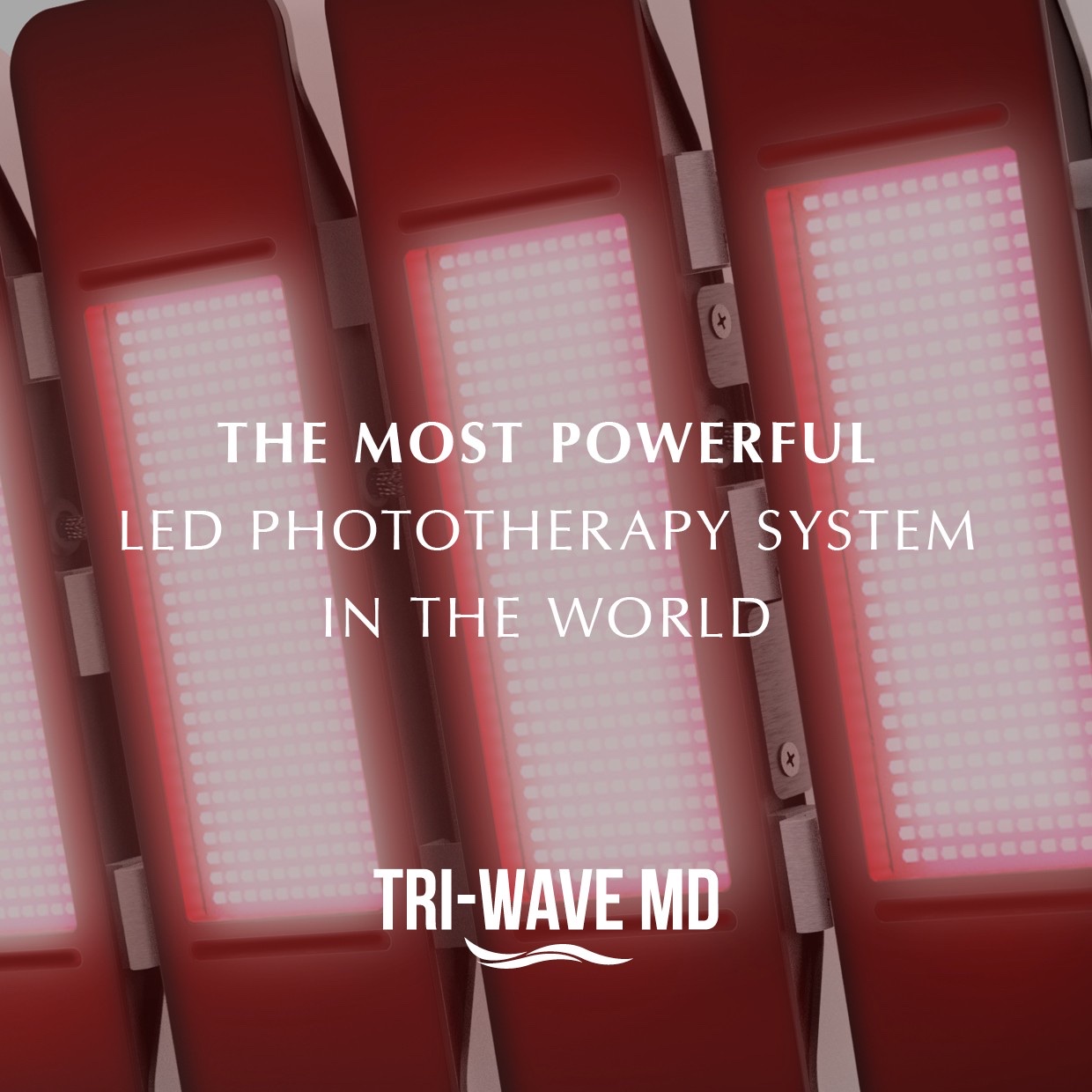
The most powerful LED phototherapy system in the world. Blue, red and near-infrared light, delivered together in one twenty-minute session. No heat, no needles, no downtime. The device is the easy part — knowing which light your skin needs, and how often, is where Dr Brandon comes in.
- Session
- 20 minutes
- Downtime
- None
- When
- Any time of day
- Single session
- $120
- Course of 12
- $999
ARTG listed · ARTG ID 324211 · Class IIa medical device
How it works
How does LED light therapy work?
Three lights, three depths. Each wavelength reaches a different layer of the skin and does a different job. Which lights, at what strength, how often — that’s a protocol, chosen for your skin. Not run from a menu.
-
Blue
415 nm · Surface tissue
Targets the epidermis, where breakouts start. Goes after acne-causing bacteria, helps control oil, and breaks the cycle of what comes next.
-
Red
633 nm · Soft tissue
Targets the dermis, where collagen is made. Supports plumpness and radiance and softens the look of fine lines. Skin that looks like you slept well.
-
Near-infrared
830 nm · Deep tissue
Invisible, and the deepest-reaching — into the subcutaneous layer. Speeds repair and calms inflammation, on its own or after other treatments.
What it addresses
What skin concerns does Tri‑Wave MD address?
LED is rarely the whole answer. It’s one tool in a plan — and Dr Brandon will tell you honestly whether it’s the right one for you.
Fine lines & dull skin
Red light works in the dermis, where collagen is made. Skin looks plumper, brighter and more rested over a course.
Acne & breakouts
Blue light targets acne-causing bacteria at the surface and helps break the cycle of new breakouts.
Redness & rosacea
Near-infrared settles inflammation, calming reactive, flushing skin — without heat.
Pigmentation & uneven tone
Near-infrared supports a more even tone over a course, on its own or alongside other treatments.
Eczema, psoriasis & dermatitis
Used within a medical plan to calm inflamed, compromised skin and support the barrier.
Recovery & preparation
Settles redness and swelling after peels, laser or microneedling — or conditions skin in the weeks before.
Is this right for me?
Am I suited to LED light therapy?
This might suit you if
- Your skin looks dull, tired or uneven, and you want a reset without downtime
- You get breakouts, redness or sensitivity that keeps coming back
- You’re having a peel, laser or microneedling and want to recover well
- You can commit to a course — two or three visits a week for a few weeks
Worth discussing in consultation first
- You take medicine that makes your skin sensitive to light
- You have a history of light-triggered migraines or seizures
- You’re pregnant
- Your main concern is volume loss or skin laxity — light alone won’t change that
The device
Why Tri‑Wave MD?
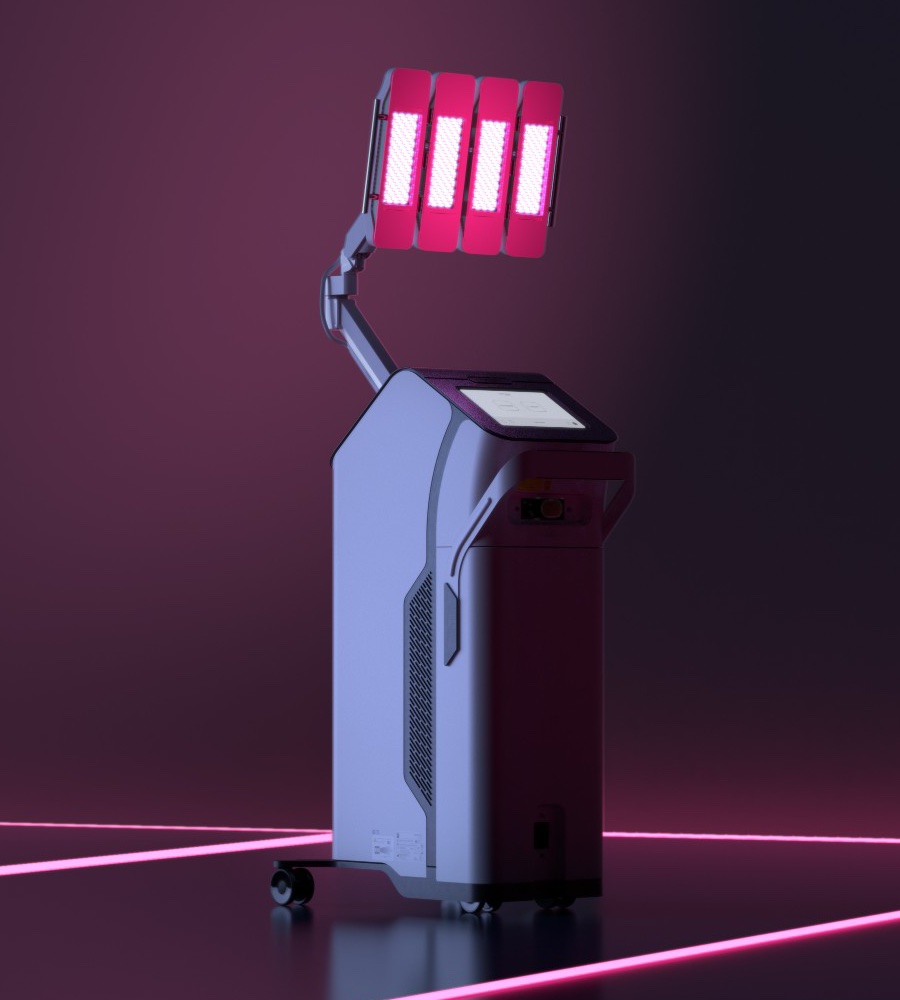
Most LED devices deliver one colour at a time. Tri-Wave MD delivers three together, through four panels that curve around the face so the light lands evenly from forehead to jaw.
It suits every skin tone. It’s comfortable. And it works alongside the rest of what we do — preparing skin before a procedure, settling it after.
Results
Before & After
Supplied by Dermalux, from clinics using Tri-Wave MD. These are not Cleon patients. Each shows the light used and the number of sessions — because how you get there matters.
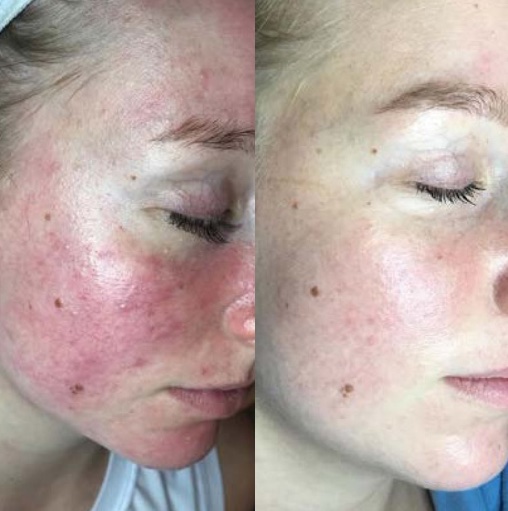
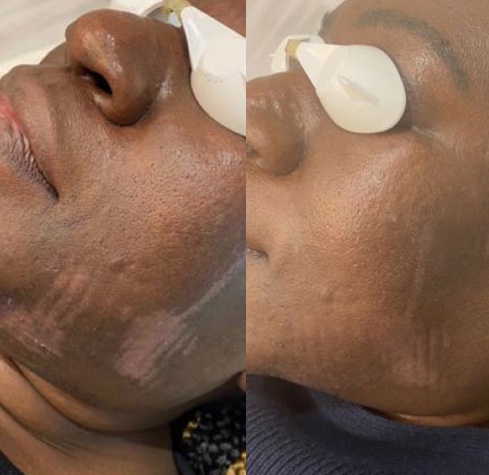
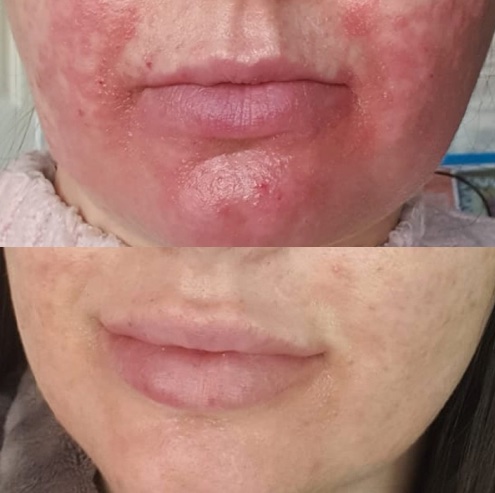
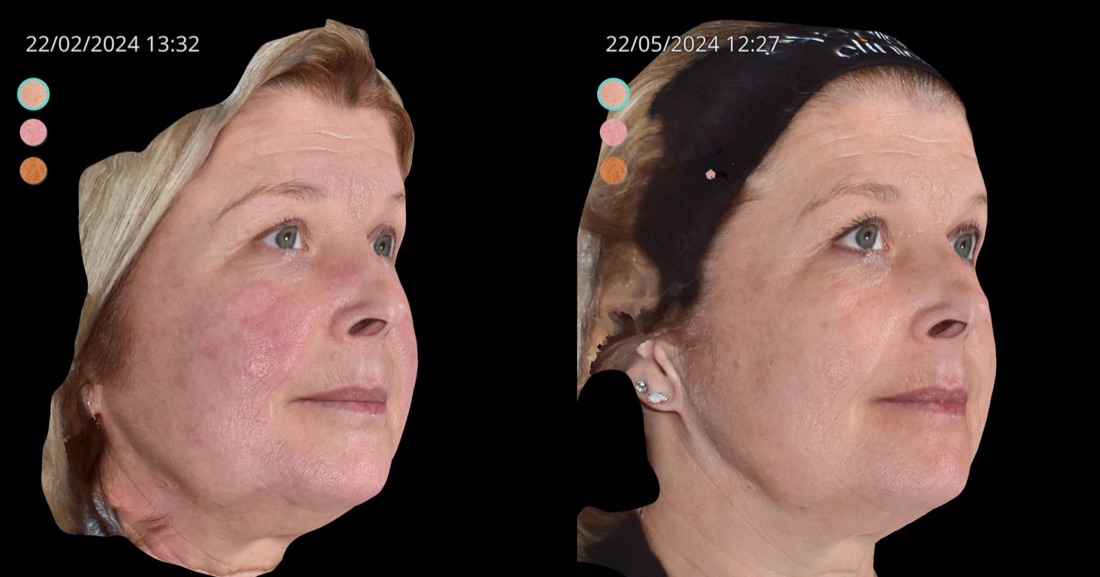
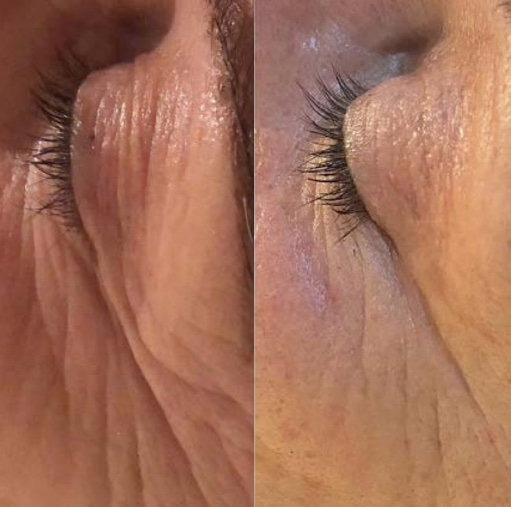
Results vary between individuals and depend on your skin, the concern and the number of sessions. Images have not been altered by Cleon. What’s realistic for your skin is a conversation for your consultation.
Pricing
How much does LED light therapy cost?
Your specific plan is set in consultation. These are the ways LED fits into it.
What to expect
How does a course work?
One session can brighten skin. Most concerns need a course. Here’s how it runs.
-
Consult
Dr Brandon looks at your skin, listens to what you want to change and checks LED is right for you. No treatment agenda. If it suits, he sets your protocol.
-
Your course
Two or three sessions a week, for four to six weeks. Twenty minutes under the panels, eyes protected. Come make-up free; it can go straight back on after.
-
Follow up
Dr Brandon reviews your skin at the end of the course and adjusts the plan. Results are monitored, not assumed.
Frequently asked
Questions about LED light therapy
Anything else, ask at your consultation or email hello@cleonclinic.com.
Does it hurt?
No. The light isn’t hot and nothing touches your skin. Most people find it the most relaxing twenty minutes of their week. You’ll wear eye protection — the panels are bright.
Is there any downtime?
None. Straight back to work, make-up on if you like. Sessions fit any time of day — before work, at lunch, on the way home.
Do I need to prepare?
Come make-up free. The light needs to reach clean skin. That’s it.
Is this the same as red light therapy?
Red light is one of the three wavelengths here. Home masks and salon panels usually offer it at a fraction of the power. Tri-Wave MD is an ARTG-listed Class IIa medical device delivering red, blue and near-infrared together — on a protocol set by a doctor, not a preset timer.
Is it suitable for my skin?
LED suits all skin types and tones. Some medicines and conditions make skin more sensitive to light, which is why your history is checked at consultation before your first session.
How many sessions will I need?
It depends on what’s being treated. A typical course is two to three sessions a week for four to six weeks. Skin can look brighter after one session; most concerns need the full course.
How much does LED light therapy cost?
$120 a session, or a pack of twelve for $999 — which works out at $83 a session. How many you actually need is set in consultation. No treatment agenda.
Do I need to know what I want before I book?
No. That’s what the consultation is for. You might come in asking about LED and leave with a different plan — or a combination.
Can I have it with other treatments?
Yes. LED is often used straight after a peel, laser or microneedling to help skin settle, or in the weeks before to prepare it. See Skin Quality for the treatments it pairs with.
Book a consultation
The conversation comes first.
Face to face at our Potts Point clinic — where your first session can often happen the same day. From the first conversation, you’re speaking with Dr Brandon.
