
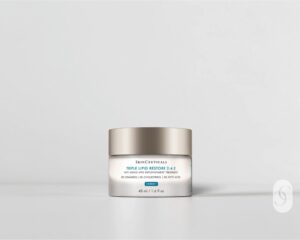
SkinCeuticals peels · Potts Point, Sydney
Chemical Peels in Sydney
Subtle changes. Measurable difference.
Also called a skin peel or face peel. The full SkinCeuticals professional peel menu: gentle lactic and glycolic peels, salicylic peels for congestion, and the Pigment Balancing Peel for pigmentation and melasma. A measured dose of acid lifts away dull surface cells, so skin looks brighter and smoother, and tone, texture and congestion improve over a course. At Cleon in Potts Point, Sydney, the peel, the strength and the order are chosen for your skin, your sensitivities and your goals, in a doctor-led clinic. Downtime is short, often none at all.
- Appointment
- About 1 hour
- Downtime
- Mild flaking, if any
- Spacing
- 4–6 weeks apart
- Single peel
- From $200
- Course of 6
- From $1,020
How it works
How does a chemical peel work?
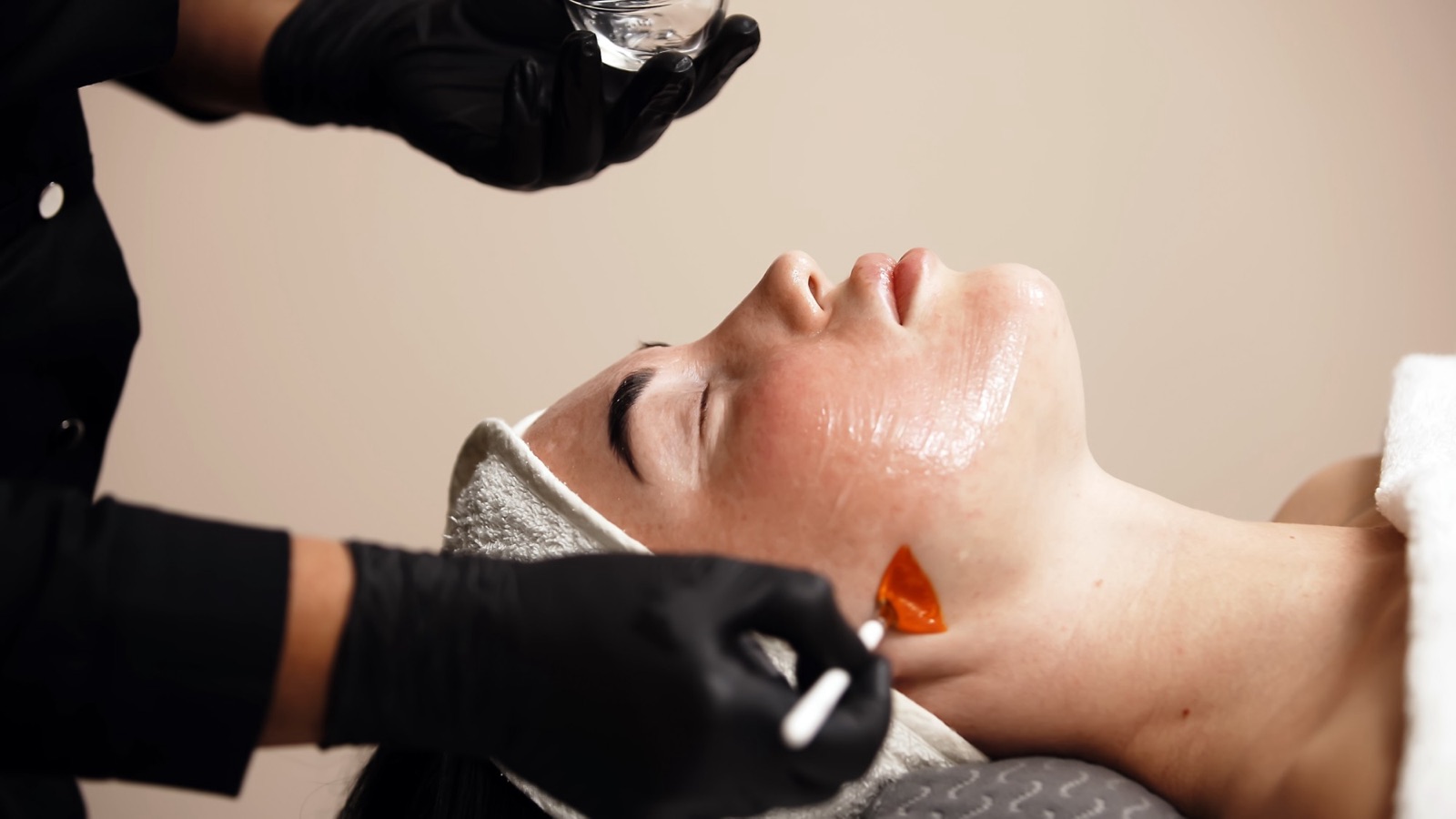
A peel is a measured exfoliation. An acid goes on the skin for a few minutes, timed and watched, then is neutralised or rinsed off. It loosens the bonds that hold old surface cells together, so they shed evenly and fresher skin shows through. Every peel on our menu is a superficial peel. It works in the outer layer of the skin, which is why downtime is short.
A chemical peel is a controlled exfoliation of the skin. A measured acid solution, usually glycolic, lactic, salicylic or mandelic acid, is applied for a few minutes, then neutralised or removed. Peels are graded by depth. Superficial peels work in the epidermis, the outer layer, with little or no downtime. Medium and deep peels reach the dermis beneath, with days to weeks of recovery. Every peel at Cleon is a superficial SkinCeuticals professional peel, chosen by skin type and concern, in a doctor-led clinic in Potts Point, Sydney.
-
Gentle peels
Very superficial
Micropeel Sensitive, Gel Peel GL and Gel Peel SM. Lower-strength or buffered acids that clear the surface layer of dead cells. A first peel, a peel for sensitive skin, or a peel for any skin tone. Gel Peel SM adds salicylic acid, which dissolves in oil and works inside the pore.
-
Resurfacing peels
Superficial
Micropeel 20 and Micropeel 30 use glycolic acid at a lower pH, so they work further into the epidermis on texture, fine lines and dullness. Micropeel Plus 20 and 30 do the same with salicylic acid, for stubborn congestion. For skin types I to IV on the Fitzpatrick scale.
-
Pigment Balancing Peel
Deep superficial
Glycolic and citric acids with vitamin C and emblica, mixed in clinic just before it goes on. The strongest peel on the menu, made for pigmentation, melasma and sun damage. For skin types I to IV on the Fitzpatrick scale.
What it treats
What can a chemical peel help with?
Peels are at their best on the surface: tone, texture, clarity. They won’t lift, tighten or restore volume. Here’s where they earn their place.
Dull, tired skin
When dead cells build up, skin loses its light. A peel clears them evenly, and skin looks brighter within days. Skin that looks like you slept well.
Texture & fine lines
Rough patches and fine, etched lines soften as skin turns over more evenly through a course. Deeper lines and folds need a different approach.
Acne, breakouts & congestion
Salicylic acid works inside the pore, so oily, congested, breakout-prone skin is a good fit for Gel Peel SM and Micropeel Plus. Active or scarring acne may need medical treatment too.
Pigmentation & sun damage
Sun spots, uneven tone and dull, sun-damaged skin. The Pigment Balancing Peel was made for this. Results build with each peel, and with daily SPF.
Melasma
Melasma can be improved, not cured. Heat, light and hormones bring it back, so peels sit inside a wider plan with sun protection and prescribed skincare.
Sensitive & first-time skin
Micropeel Sensitive pairs gentle acids with sage. A considered first peel for reactive skin, or for anyone who would rather start slowly.
Is this right for me?
Am I suited to a chemical peel?
This might suit you if
- Your concerns are on the surface: dullness, uneven tone, texture, congestion
- You want gradual change with little or no downtime
- You’ll wear SPF 50+ every day, and follow simple homecare before and after
- You can commit to a course, usually six peels four to six weeks apart
Worth telling us before your first peel
- You’ve taken isotretinoin (Roaccutane) in the last six months, or you use a prescription retinoid
- You’re pregnant or breastfeeding, or you have cold sores, eczema or broken skin in the area
- Your skin darkens or marks easily after a pimple, a scratch or a burn
- Your main concern is sagging, deep lines or lost volume. A peel won’t lift skin
A doctor-led clinic
Why have a peel at a doctor-led clinic?
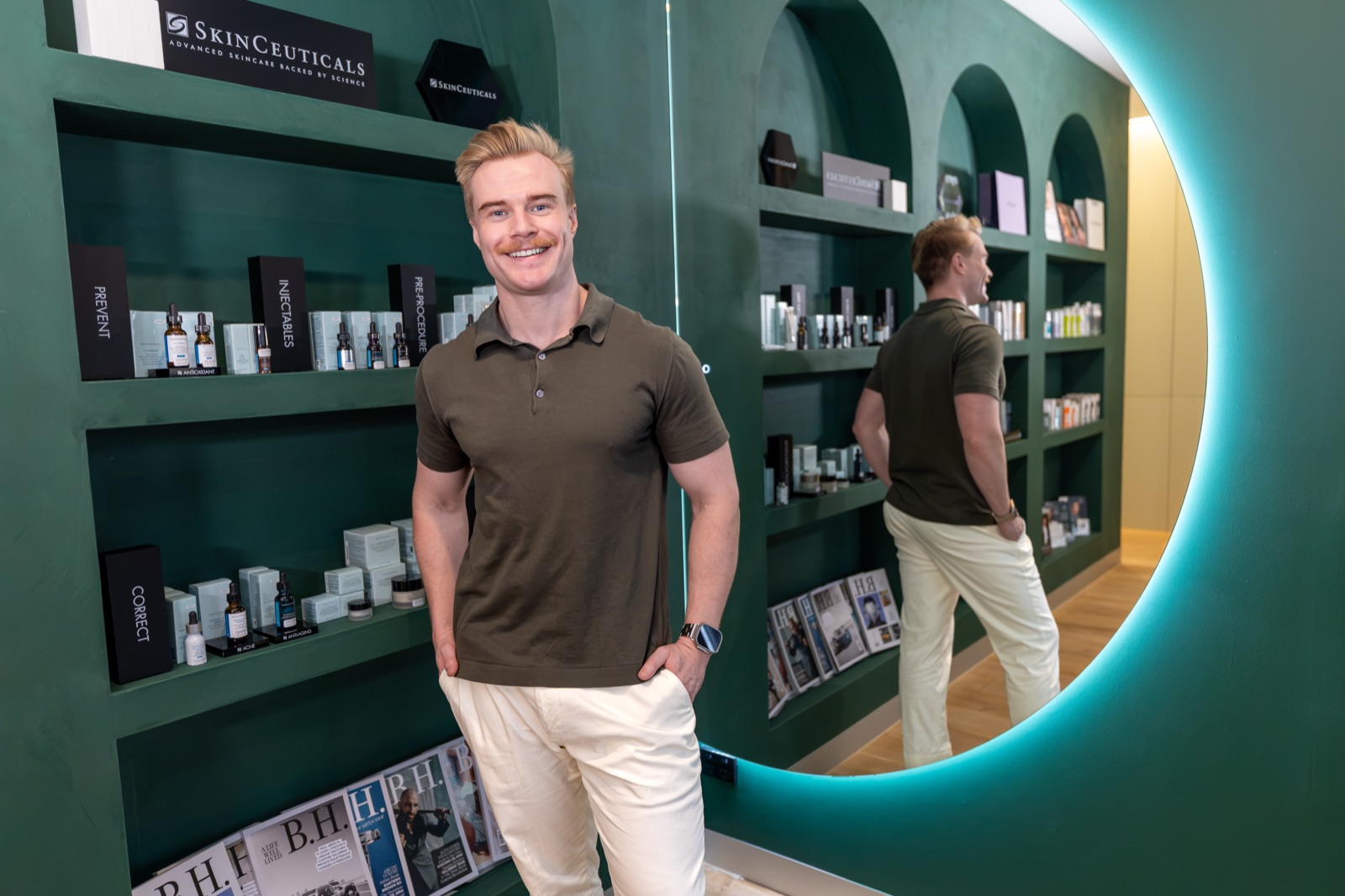
The same peel names are sold in many places. What changes the result is which peel, at what strength, in what order, and knowing when not to peel at all. At Cleon in Potts Point, Dr Brandon sets the approach. Each peel is performed by our clinical team under his medical supervision, timed to your skin and taken off early if it needs to be.
- Professional strength. SkinCeuticals professional peels are for clinic use only.
- One system. The same range prepares your skin before and supports it after.
- Room to move. A full menu, so the peel can change as your skin does.
A doctor also sees what a peel won’t fix, and can add what will: prescribed skincare for melasma or acne, LED to help skin settle, or needling for deeper texture.
The peel menu
How much does a chemical peel cost in Sydney?
Most peels are recommended as a course of six, spaced four to six weeks apart. A course saves on every peel.
Before & after your peel
What happens before and after a chemical peel?
The peel takes minutes. The weeks either side of it make the difference.
-
Prepare
A two-week pre-treatment regimen with SkinCeuticals professional homecare is recommended before your first peel. Retinoids, exfoliants and waxing stop a few days before.
-
Peel day
Your skin is cleansed and prepared. The peel goes on for a few minutes, then is neutralised or rinsed off. A calming masque, serums and SPF finish. You can go straight back to your day.
-
The first week
Mild flaking and a refined glow typically follow. A guided seven-day recovery protocol is provided. Let flaking skin shed on its own.
-
Sun protection
Daily broad-spectrum SPF 50+ is essential throughout any peel programme. Fresh skin burns and marks more easily.
-
Your course
Most peels are recommended as a course of six, four to six weeks apart. Each peel builds on the last.
-
Review
Your skin is reviewed as the course goes on, and the peel or strength adjusted. Results are monitored, not assumed.
Frequently asked
Chemical peels in Sydney: your questions
Anything else, email hello@cleonclinic.com or call 0438 163 638.
What is a chemical peel?
A measured exfoliation. An acid solution goes on the skin for a few minutes, then is neutralised or rinsed off. It loosens the bonds between old surface cells so they shed evenly, and fresher skin shows through. Every peel at Cleon is a superficial peel from the SkinCeuticals professional range, so it works in the outer layer of the skin, with little downtime.
What is the difference between a superficial, medium and deep chemical peel?
Depth. A superficial peel works in the epidermis, the outer layer, and takes a few days to settle. A medium peel reaches the upper dermis and usually means a week or so of visible peeling. A deep peel goes further still, with weeks of recovery and real risk, and is rarely done today. Every peel at Cleon is superficial. The Pigment Balancing Peel is the deepest of them, at the base of the epidermis.
What is the difference between a glycolic peel and a salicylic peel?
Glycolic acid is an alpha hydroxy acid (AHA). It dissolves in water and works on the skin’s surface, for dullness, texture, fine lines and tone. Salicylic acid is a beta hydroxy acid (BHA). It dissolves in oil, so it travels into the pore, for congestion, blackheads and breakouts. Lactic and mandelic acids are gentler AHAs, often used for sensitive or deeper skin tones. Your skin decides which one, and sometimes both over a course.
Do chemical peels hurt?
Most people feel tingling, warmth or a mild itch for a few minutes while the peel is on. It eases once the peel is neutralised or rinsed off. The stronger glycolic peels are more noticeable than the gentle ones. Your skin is watched throughout, and the peel comes off early if it needs to.
How long does a chemical peel appointment take?
Allow about an hour. The peel itself is on your skin for only a few minutes. The rest of the time goes on cleansing and preparing your skin, then a calming masque, serums and SPF. You can go straight back to your day.
Is there downtime after a chemical peel?
Very little. Skin can look pink for a few hours. Mild flaking may follow over the next few days, more often after the stronger peels and the Pigment Balancing Peel. Most people go straight back to work. A guided seven-day recovery protocol is provided.
Will my skin peel off in sheets?
No. These are superficial peels. Most people see fine, light flaking, and some see none at all. Visible peeling isn’t a sign the peel worked better. The change shows in how your skin looks over the following weeks.
How many chemical peels will I need?
Most peels are recommended as a course of six, spaced four to six weeks apart. Skin often looks brighter after the first. Tone, texture and pigment change gradually, with each peel building on the last. Occasional maintenance peels help keep the result.
How often can you have a chemical peel?
Superficial peels are usually spaced four to six weeks apart, which is about one skin cycle. That gives the skin time to recover fully before the next one. After a course, a maintenance peel every one to three months keeps the result. More often isn’t better. Over-peeled skin becomes sensitive and can pigment.
When will I see results from a chemical peel?
Skin usually looks brighter and smoother within a week. Changes to pigmentation, congestion and fine lines build over a course. Daily SPF protects what each peel achieves.
Which peel is best for pigmentation and melasma?
Usually the Pigment Balancing Peel: glycolic and citric acids with vitamin C and emblica. Melasma can be improved but not cured, so peels sit inside a wider plan with strict sun protection and prescribed skincare. For some skin, a gentler peel is the safer start. Deeper skin tones are assessed carefully, because pigment can darken after irritation.
Which peel is best for acne and congestion?
Gel Peel SM, with salicylic and mandelic acids. Salicylic acid dissolves in oil, so it works inside the pore. Micropeel Plus 20 and 30 are stronger salicylic peels, for congestion that needs more. Active, inflamed or scarring acne may also need medical treatment, and Dr Brandon can advise on that.
Are chemical peels safe for darker skin tones?
Many are. Skin type is described on the Fitzpatrick scale, from I (very fair, always burns) to VI (deeply pigmented, rarely burns). Micropeel Sensitive, Gel Peel GL and Gel Peel SM suit all six types. The stronger glycolic peels and the Pigment Balancing Peel are used for types I to IV, because deeper skin can darken after irritation. Your peel is chosen with that in mind.
Are chemical peels safe?
Superficial peels have a long safety record when the right peel is matched to the right skin and used at the right strength. The common effects are mild: pinkness, tightness and light flaking for a few days. The risks worth knowing are irritation, a cold sore flare, and darkening of the skin after inflammation, which is more likely in deeper skin tones, after sun exposure, or if the peel is too strong. That’s why your skin is assessed first, the peel is timed and watched, and sun protection is non-negotiable.
Can I have a chemical peel while pregnant or breastfeeding?
Usually we wait. Pregnancy makes skin more reactive and more prone to pigmentation, and salicylic acid peels are avoided. If you’re pregnant, trying, or breastfeeding, tell us before you book and we’ll talk through what’s sensible and when.
Do chemical peels help acne scars?
They help the colour more than the shape. The red or brown marks left after breakouts respond well to a course of peels. Pitted, rolling or ice-pick scars are structural, in the dermis, and need something deeper: skin needling, laser, or both. Many people have a mix, which is why the scars are looked at one by one.
Can I have a peel if I have sensitive skin or rosacea?
Often, yes. Micropeel Sensitive was made for reactive, sensitive or first-time skin, with gentler acids and sage. If rosacea or eczema is flaring, or the skin is broken, the peel waits until it settles.
How do I prepare for a chemical peel?
A two-week pre-treatment regimen with SkinCeuticals professional homecare is recommended before your first peel, so the skin is ready and the peel works evenly. Retinoids, exfoliating acids, waxing and other resurfacing treatments stop a few days before. Avoid tanning and sunburn in the lead-up. Tell us about any medicines, cold sores or recent treatments.
What should I do after a chemical peel?
Follow the seven-day recovery protocol you’re given: a gentle cleanser, the recommended serums and moisturiser, and SPF 50+ every morning. Let flaking skin shed on its own. Skip retinoids, scrubs, saunas and hard exercise until your skin settles.
Can I wear make-up after a chemical peel?
Ideally not on the day of your peel, so your skin can settle. From the next day, gentle make-up is usually fine.
Can I have a chemical peel in summer?
Yes, with care. Fresh skin burns and marks more easily, so daily SPF 50+, a hat and shade matter more than ever. Some people save the stronger pigment peels for the cooler months.
How much does a chemical peel cost in Sydney?
At Cleon, single peels are $200 to $400. Micropeel Sensitive is $200. Gel Peel GL, Gel Peel SM, Micropeel 20, Micropeel 30, Micropeel Plus 20 and Micropeel Plus 30 are $250 each. The Pigment Balancing Peel is $400. A course of six is $1,020 for Micropeel Sensitive, $1,200 for the $250 peels and $1,900 for the Pigment Balancing Peel.
Chemical peel or laser: which is better?
They do different jobs. A chemical peel uses acids on the surface, for tone, clarity, congestion and early texture, with little downtime. Laser resurfacing works deeper, on scarring, lines and sun damage, with more downtime. Despite the name, our PixelPeel is a fractional CO2 laser, not a chemical peel. Some people have both, at different times.
Can peels be combined with other treatments?
Often. LED light therapy can help skin settle after a peel. Skin needling suits deeper texture and scarring, on a different visit. Prescribed skincare between peels makes a real difference for melasma and acne. What belongs together depends on your skin.
Chemical peel or microneedling: which should I choose?
Peels work on the surface: tone, clarity, congestion, early texture, and they suit a lunch break. Skin needling works in the dermis, building collagen for scarring, pores and firmer texture, with a day or three of redness. If your concern is colour and glow, start with peels. If it’s scarring or texture you can feel, needling. Often the plan uses both, on different visits.
Are at-home peels the same as a professional chemical peel?
No. Home acids are kept at low strengths and a mild pH, so they exfoliate gently over weeks. Professional peels use higher concentrations and a lower pH, which is why they need preparation, timing and someone watching the skin. Both have a place. A home acid between peels, if prescribed, keeps the result ticking over. A strong acid used at home is how people end up with burns and pigmentation.
Can men have chemical peels?
Yes, and many do, for congestion, sun damage and dull, uneven skin. Thicker, oilier skin often suits the salicylic peels. See Male by Cleon.
Why SkinCeuticals peels?
SkinCeuticals professional peels are for clinic use only, in a graded range from gentle to pigment-focused, so the peel can change as your skin does. The same brand’s homecare prepares your skin before and supports it after, so the whole programme works together.
Who performs the peel?
Cleon is a doctor-led clinic. Dr Brandon sets the approach, and peels are performed by our clinical team under his medical supervision.
Where can I get a chemical peel near me in Sydney?
Cleon by Dr Brandon is at Ground 02, 46a Macleay Street, Potts Point, a short walk from Kings Cross station and close to Darlinghurst, Elizabeth Bay, Rushcutters Bay, Woolloomooloo and the eastern suburbs. Open six days, including Saturday mornings and until 8 pm on Thursdays. Peels are booked online.
Do I need to know which peel I want before booking?
No. Most people don’t. Your skin, sensitivities and goals decide the peel, the strength and the order. Many people start with a gentler peel and build from there.
Book a peel
The right peel, at the right strength.
At our Potts Point clinic, a short walk from Kings Cross station. Your peel is chosen for your skin, and nothing happens without your agreement.
