
Filler dissolving clinic · Potts Point, Sydney
Ultrasound-Guided Filler Dissolving
See it first. Then dissolve only what needs to go.
Lip filler that has crept above the lip line. Puffiness under the eyes. Lumps you can feel, or simply more than you wanted. Hyaluronic acid filler in the lips, cheeks, chin, jawline, nose or under the eyes can be dissolved, and ultrasound shows where it sits before anything is treated: how deep, how much, and the blood vessels around it. At Cleon in Potts Point, Sydney, it starts with a consultation and a scan with Dr Brandon.

- First step
- Consult & scan
- Guided by
- Ultrasound
- Dissolves
- HA filler
- Led by
- A doctor
- Per session
- From $600
Filler dissolving is a medical procedure. It’s only offered after a consultation, where it’s clinically appropriate.
Why dissolve filler?
Why would filler need dissolving?
Hyaluronic acid filler usually settles well and fades with time. Sometimes it doesn’t. It can last longer than expected, move, or simply stop suiting your face. These are the reasons people come to us.
Filler that has moved
Migration: lip filler that has crept above the lip line, or cheek and under-eye filler that has drifted from where it was placed.
Overfilled, or too many top-ups
Overfilled lips, cheeks, chin or jawline. Overcorrection in one visit, or years of top-ups that have added up to a face that no longer looks like you.
Puffy under-eye filler
Tear trough filler can hold fluid and look puffy, or show through thin skin as a bluish tinge, known as the Tyndall effect.
Lumps, firmness & swelling
Nodules you can feel or see, firmness, or swelling that comes and goes, sometimes years after treatment.
Asymmetry
One side fuller than the other, or a result that has settled unevenly.
A fresh start
Before surgery, before a new treatment plan, or because your face, or your taste, has changed.
How it works
How does ultrasound-guided filler dissolving work?
Filler can’t be seen through the skin, and it doesn’t always stay where it was put. Ultrasound shows it on screen, in real time, so the plan is built on what’s actually there.
Ultrasound-guided filler dissolving uses a handheld ultrasound scan to find hyaluronic acid filler under the skin, see how deep it sits and how far it has spread, and map the blood vessels nearby. The filler is then dissolved where it sits, rather than across a whole area, and a later scan can show what’s left. Only hyaluronic acid filler can be dissolved this way. Sessions start from $600, and the average session is around $1,200.
-
See the filler
Depth & spread
On ultrasound, hyaluronic acid filler shows as a dark pocket under the skin. The scan shows how deep it sits, how much is there, whether it has spread or formed a capsule, and whether it has moved.
-
Map the vessels
Safety first
The face’s blood vessels run close to where filler is placed, especially under the eyes, in the lips, beside the nose and in the midface. Seeing them before treatment helps keep the dissolving where it belongs.
-
Dissolve, then check
Only what’s needed
Guided by the scan, the dissolving solution goes into the filler itself, and only where it’s needed. Not all filler needs to go. A review scan shows what’s left, and whether another session is worthwhile.
With and without ultrasound
| Step | With ultrasound | Without |
|---|---|---|
| Finding the filler | Seen on screen: depth, amount and spread | Judged by look and feel. Filler can sit deeper, or further, than it seems |
| Blood vessels | Mapped before treatment | Known from anatomy, which varies from person to person |
| Dissolving | Placed into the filler, only where it’s needed | Spread across the area where filler is thought to be |
| Afterwards | A review scan shows what’s left | Judged by eye once the swelling settles |
Ultrasound changes what can be seen, not the dissolving solution or its risks. Those are the same either way, and they’re explained before any treatment.
Is this right for me?
Am I suited to filler dissolving?
This might suit you if
- You’ve had hyaluronic acid filler and don’t like how it looks or feels
- Filler has moved, or you can feel lumps or firmness
- You have puffiness or a bluish tinge where filler was placed under your eyes
- You’re not sure what was used, where, or how much is left. The scan can show you
Worth discussing in consultation first
- You’re allergic to bee or wasp stings, or have reacted to filler dissolving before
- You’re pregnant or breastfeeding, or have an infection, cold sore or flare of a skin condition in the area
- Your filler wasn’t hyaluronic acid. Permanent fillers and collagen stimulators can’t be dissolved this way
- You’re hoping to look exactly as you did before filler. Dissolving removes filler. It doesn’t restore volume or reverse ageing, and an area can look flatter at first
Severe pain, a white, grey or dusky patch of skin, or changes to your vision soon after filler can mean a blocked blood vessel. That’s an emergency. Contact the clinic that treated you straight away. If you can’t reach them, or your vision is affected, call 000 or go to the nearest emergency department.
A doctor-led clinic
Why see a doctor to dissolve filler?
Dissolving filler is a medical procedure. It takes an understanding of facial anatomy and blood vessels, of what was placed and where, and a plan for what comes after. Ultrasound adds what eyes and fingertips can’t: a view under the skin.
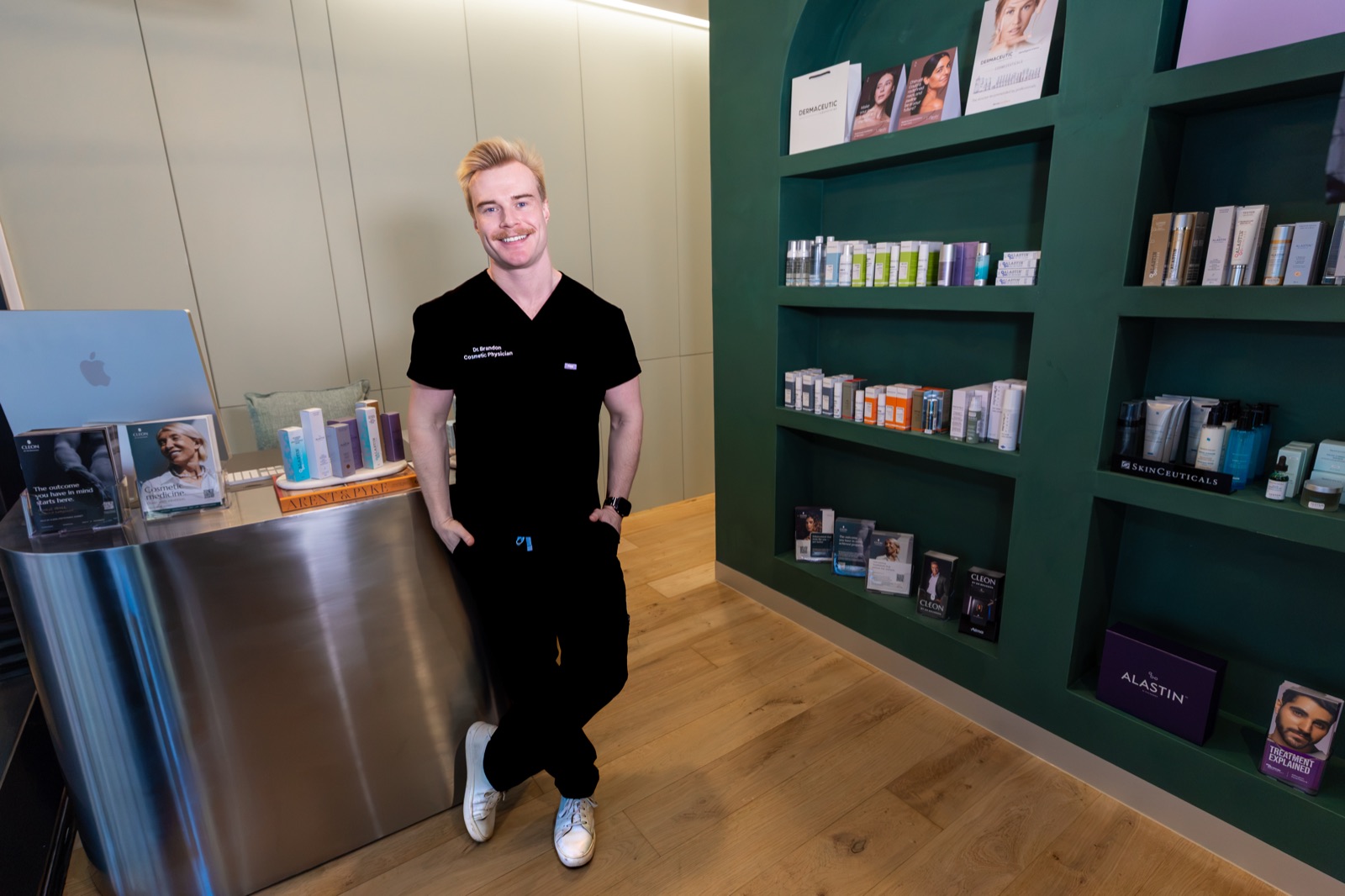
At Cleon in Potts Point, Dr Brandon scans, assesses and sets the plan. Any treatment is performed by our clinical team under his medical supervision, in a doctor-led clinic. Not all filler needs dissolving. Sometimes time, or a smaller change, is the better answer. Results are monitored, not assumed.
Pricing
How much does filler dissolving cost in Sydney?
Ultrasound-guided filler dissolving at Cleon starts from $600 per session, and the average session is around $1,200. The price depends on how much filler is being dissolved, and you’ll know it before anything is done.
What to expect
What happens at a filler dissolving appointment?
The conversation comes first. Bring anything you have about past treatment: the clinic, the product, the dates, old photos.
-
Talk & scan
Dr Brandon asks what was done, when and where, and what you’d like to change. Then the scan: where the filler sits, how much is there, and the blood vessels around it.
-
Plan
You’ll see what the scan found and hear whether dissolving is the right answer. Sometimes it isn’t, and time or a smaller change suits you better. If it is, you’ll know the plan and the price first.
-
Dissolve & review
Our clinical team treats only what’s needed, under Dr Brandon’s medical supervision. Swelling settles over a few days. Once it has, a review checks the result and whether anything more is needed.
For surgeons & colleagues
Referring a patient with filler concerns?
Surgeons, injectors and GPs refer patients to us when filler needs to be found, assessed or dissolved. Shared care, not a handover. Your patient stays yours, and you hear back from us.
Plastic, facial & oculoplastic surgeons
Previous filler ahead of a facelift, eyelid, lip lift or nose procedure. Ultrasound shows where the product sits and how much is left. We dissolve what needs to go before your surgery date, and send you the findings. If you have an MRI report, please send it with the referral.
Cosmetic doctors & nurses
Filler that has migrated, been overcorrected or isn’t behaving as expected, or a patient who wants a fresh start. We map it against the blood vessels, treat only what’s needed, and hand your patient back to you.
GPs
Lumps, swelling or under-eye puffiness in an area that has had filler, sometimes years earlier. Ultrasound shows whether filler is the cause, so nothing is dissolved on a guess.
How to refer
- Email a referral letter, or call us
- Include the area treated, the product and date if known, any symptoms or complications, photos, and any MRI or imaging reports you have
- We contact your patient to book an ultrasound assessment in Potts Point
- Dr Brandon writes back with the scan findings and the plan
Phone0438 163 638
Urgent? If you suspect vascular compromise, call us rather than email, and start your emergency protocol.
Frequently asked
Filler dissolving in Sydney: your questions
Filler dissolving is part of our Corrective & Medical services. Anything else, ask at your consultation or email hello@cleonclinic.com.
What is filler dissolving?
Hyaluronic acid (HA) filler can be broken down by a dissolving solution placed into the filler. Your body then clears it, as it would over time, only much faster. It’s a medical procedure, offered only after a consultation.
Why use ultrasound to dissolve filler?
Because filler can’t be seen through the skin, and it doesn’t always sit where it was placed. Ultrasound shows where it is, how deep, how much, and the blood vessels nearby, so treatment goes where the filler is rather than across a whole area. It’s most useful under the eyes, in the lips, beside the nose and in the midface, where blood vessels run close.
What’s the difference between ultrasound-guided and standard filler dissolving?
The dissolving solution is the same. What changes is what can be seen. Without ultrasound, filler is found by look and feel, and the blood vessels are known from anatomy, which varies between people. With it, the filler and the vessels are on screen, so the solution goes into the filler itself rather than across the area, and a review scan shows what’s left. Ultrasound doesn’t remove the risks of dissolving. It helps the treatment go where it’s meant to.
Can I dissolve only some of my filler?
Yes. Dissolving doesn’t have to be all or nothing. Because the scan shows where the filler sits, a lump, a migrated edge or one side can be treated while the rest is left alone. Partial dissolving is one of the main reasons people choose ultrasound guidance.
Can all filler be dissolved?
Only hyaluronic acid filler. Most lip, cheek, under-eye and jawline fillers are HA, but not all. Permanent fillers and collagen stimulators, such as silicone, PMMA, poly-L-lactic acid and calcium hydroxylapatite, can’t be dissolved this way. The scan can often help tell them apart.
What if I don’t know what filler I had?
That’s common. Bring what you can: the clinic’s name, rough dates, old photos. The scan shows what’s there and where it sits, which often matters more than the brand.
How quickly does filler dissolving work?
The filler starts to break down within hours. Swelling from the treatment settles over a few days, and the result is usually clear by about two weeks.
Does dissolving filler hurt?
Most people feel a sting and some pressure as the solution goes in, then tenderness for a day or two. The scan itself is painless: cool gel and a smooth probe on the skin.
Is there any downtime?
Usually a little. Swelling, redness, tenderness and sometimes bruising are common for a few days. Many people go back to work the same or the next day.
What should I do after filler dissolving?
Keep it simple for the first day: no heavy exercise, alcohol, saunas or facials, and nothing pressed or massaged into the area unless you’ve been told to. A cool compress helps with swelling. Aftercare is explained at your appointment, and you can call us with any worry.
How many sessions will I need?
Often one. Larger amounts, older or firmer filler, or filler in more than one area can need a second session, usually a couple of weeks later. The scan helps decide.
Can filler be dissolved at the first appointment?
Sometimes. If the scan is clear, the risks have been explained and you want to go ahead, treatment can follow the consultation on the same day. You can also take the findings away and think about it. No treatment agenda.
Is filler dissolving safe?
It’s a medical procedure, and its risks are explained before any treatment. The common ones are swelling, redness, bruising and tenderness. Allergic reactions are uncommon but possible, so allergies, including to bee and wasp stings, are checked first. Occasionally an area looks flatter than expected once the filler has gone.
Does dissolving filler affect my own hyaluronic acid?
A little, nearby, and briefly. The solution can act on some of your skin’s own hyaluronic acid as well as the filler, which is one reason an area can look flatter for a short time. Your body replaces its own within days. The filler doesn’t come back.
Will dissolving my filler make me look older?
It removes filler. It doesn’t age you. But if filler has been holding an area up for years, it can look flatter without it, and it takes a few weeks to see where you’ve landed. That’s why what to expect is talked through first, and any next step is planned after your review.
When can I have filler again after dissolving?
Once the area has settled, usually at least two weeks. Many people prefer to wait longer and see their face without filler first. There’s no rush, and no treatment agenda.
Can you dissolve lip filler that has migrated?
Yes, if it’s hyaluronic acid. Lip filler that has moved above the lip line, sometimes called a filler moustache, is a common reason people come in. The scan shows where it has travelled, so it can be treated where it sits.
Can you dissolve under-eye (tear trough) filler?
Yes. Under-eye filler can hold fluid and look puffy, or show through thin skin as a bluish tinge, known as the Tyndall effect. It’s also an area with important blood vessels, which is where ultrasound guidance is most useful.
Can you dissolve cheek, chin or jawline filler?
Yes, if it’s hyaluronic acid. Filler in these areas often sits deep, close to bone and to the vessels that run through the midface and jaw, so seeing it on screen is useful before anything is dissolved.
Can nose filler be dissolved?
Yes, with care. The nose is one of the highest-risk areas for filler, and for dissolving it, because of the blood vessels that run through it and connect towards the eye. The scan maps them first. If you’re weighing up filler in the nose rather than dissolving it, see non-surgical rhinoplasty.
Can filler last longer than I was told?
It can. Filler sometimes lasts much longer than the months often quoted, and can still show on ultrasound years later. The scan shows whether yours is still there. Old filler can usually still be dissolved, though firmer, older filler sometimes needs more than one session.
I had filler at another clinic. Can you still help?
Yes. Where your filler was done doesn’t matter. With your permission, we’re happy to speak with your injector, and if they’d like to keep treating you afterwards, we’ll send them our findings.
Can I have filler dissolved before surgery?
Yes. Some surgeons prefer filler dissolved before a facelift, eyelid, lip lift or nose procedure. The scan shows what’s left, and the timing is planned around your surgery date.
What should I do if I have pain or skin colour changes after filler?
Severe pain, a white, grey or dusky patch of skin, or changes to your vision soon after filler can mean a blocked blood vessel. That’s an emergency. Contact the clinic that treated you straight away. If you can’t reach them, or your vision is affected, call 000 or go to the nearest emergency department.
How much does filler dissolving cost in Sydney?
At Cleon, ultrasound-guided filler dissolving starts from $600 per session, and the average session is around $1,200. The price depends on how much filler is being dissolved, and it’s confirmed at your consultation before anything is done. There’s no Medicare rebate.
Do I need a referral?
No. You can book directly. Surgeons, injectors and GPs can also refer patients to us.
I’m an injector. How do I refer a patient?
Email a referral to hello@cleonclinic.com or call 0438 163 638. Include the area treated, the product and date if known, any symptoms, photos, and any MRI or imaging reports. We’ll contact your patient to book, and Dr Brandon will write back with the scan findings and the plan.
Do you dissolve filler for men?
Yes. The scan and the treatment are the same for everyone. Men’s treatments are also covered by Male by Cleon.
Where can I get filler dissolved near me in Sydney?
Cleon is at Ground 02, 46a Macleay Street, Potts Point, a short walk from Kings Cross station, and close to Elizabeth Bay, Darlinghurst, Rushcutters Bay, Woolloomooloo and the CBD.
How do I get started?
Book a consultation. It’s the first step, and the only one you need to take today. Not sure where to start? That’s what the consultation is for.
Book a consultation
See it first.
Face to face at our Potts Point clinic, a short walk from Kings Cross station. Your plan is set with Dr Brandon, and nothing happens without your agreement.
