
The Difference Between Hydration and Moisturisation
You can have a shiny forehead and still have skin that feels tight and uncomfortable. You can also use a hydrating serum every morning and wonder why your skin feels dry again by lunch.
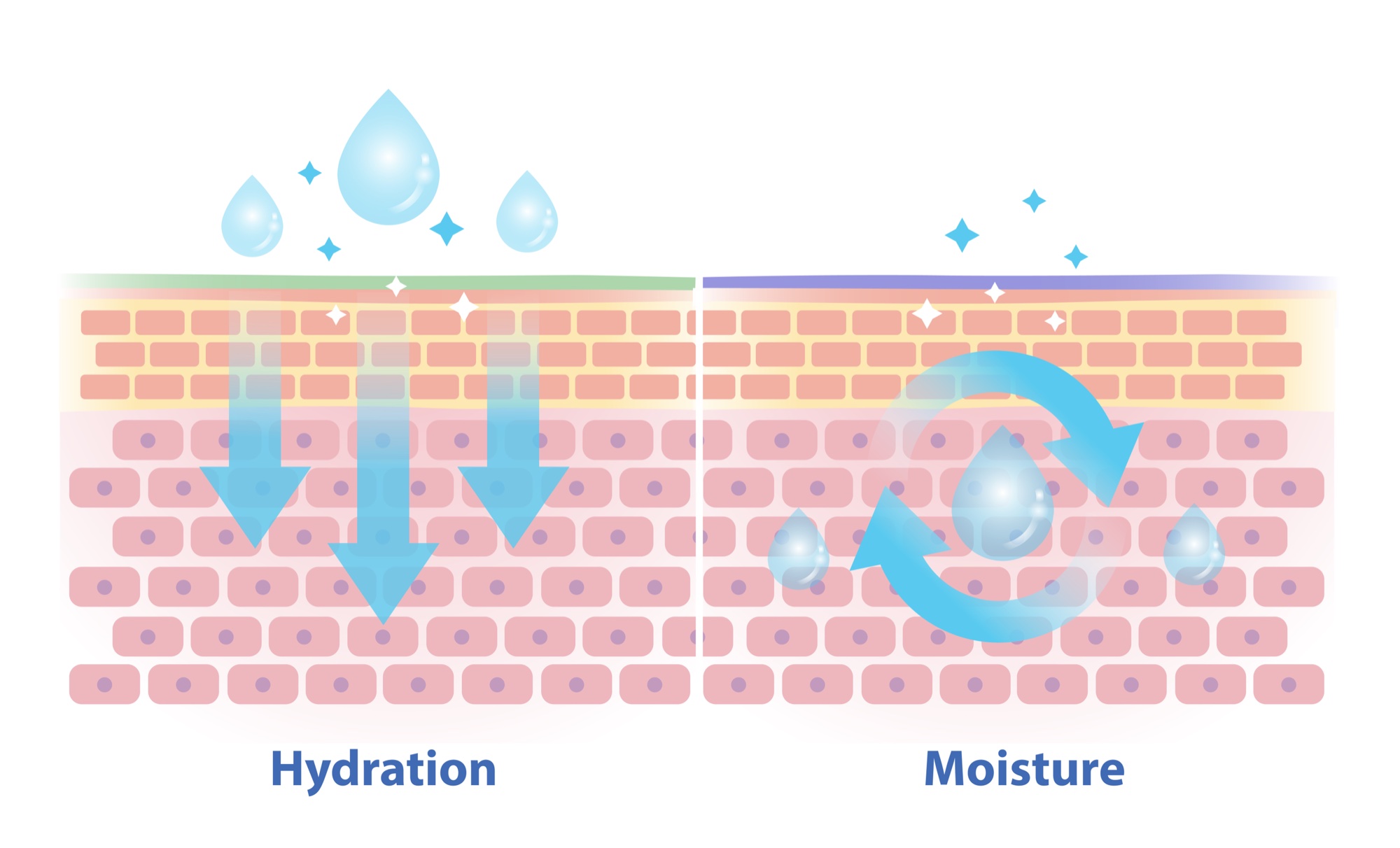
This is where understanding hydration and moisturisation helps. The terms overlap more than skincare marketing sometimes suggests, but there is a useful distinction: your skin needs water, and it needs to be able to hold onto it.
That doesn’t necessarily mean you need two separate products.
What does hydration actually mean?
Hydration refers to the water content of the skin, particularly its outermost layer. Ingredients called humectants help attract and hold water in that layer. Hyaluronic acid, glycerin and urea are common examples.1 They’re found in everything from lightweight serums to everyday moisturisers.
Hyaluronic acid gets plenty of attention, but it isn’t the only ingredient worth looking for. Glycerin is another useful humectant, and a product doesn’t need an exciting name or an expensive bottle to do its job.
What does moisturisation add?
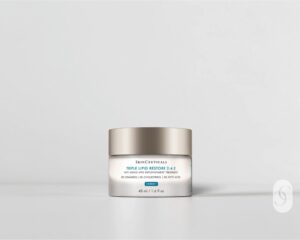
Moisturisation is broader than simply sealing water in. A moisturiser can contain humectants to improve hydration, emollients to soften and smooth the skin, and occlusives to reduce water loss.1
Ingredients such as squalane help soften the skin, while petrolatum creates a protective layer that limits evaporation.1 Many formulas combine ingredients that perform different roles, which is why a well-chosen moisturiser can address several needs at once.
So the idea that a serum hydrates and a cream moisturises is a little too neat. A cream can do both. The important question is whether the overall formula suits your skin.
Can oily skin still need moisturiser?
Yes. Having plenty of oil on the surface doesn’t mean your skin is holding onto water effectively. Oily skin can still benefit from moisturiser, particularly when acne treatments are causing dryness or irritation.2 A lightweight, non-comedogenic formula is often a sensible starting point.
You don’t have to use a heavy cream if it feels uncomfortable. Equally, you don’t need to avoid moisturiser simply because you’re worried about looking shiny.
If your skin is consistently dry, a richer cream may suit you better than a light gel. Combination skin may need a little more moisturiser on the cheeks and less through the forehead and nose. There’s no requirement to apply the same amount everywhere.
Try not to diagnose your skin from one symptom
Skincare advice often makes this sound straightforward: tight skin needs water, flaky skin needs oil.
In practice, those signs overlap. Tightness, flaking and sensitivity can also happen when your cleanser is too harsh, you’re overusing exfoliating products or you have an underlying skin condition.3 Adding a hydrating serum won’t necessarily address the cause.
If your skin feels uncomfortable despite moisturising, I would look at the whole routine before buying something else. What are you washing with? How often are you exfoliating? Did the discomfort start after introducing a new active?
Persistent redness, itching, cracking or stinging deserves assessment rather than another round of trial and error.
Keep the routine manageable
A gentle cleanser, a moisturiser that suits your skin and daily sunscreen are a sensible foundation. Applying moisturiser while your skin is slightly damp after cleansing can help retain water.1
If you enjoy a separate hydrating serum and find it helpful, you can apply it before your moisturiser. But it is an optional step. You aren’t missing something essential if your moisturiser already keeps your skin comfortable.
My approach is to choose products for a reason. If your skin feels soft and comfortable throughout the day, there’s no need to make the routine more complicated. If it keeps feeling tight or irritated, we need to work out why.
References
1. Purnamawati S, Indrastuti N, Danarti R, Saefudin T. The role of moisturizers in addressing various kinds of dermatitis: a review. Clin Med Res. 2017;15(3–4):75–87. doi:10.3121/cmr.2017.1363
2. Chularojanamontri L, Tuchinda P, Kulthanan K, Pongparit K. Moisturizers for acne: what are their constituents? J Clin Aesthet Dermatol. 2014;7(5):36–44. PMC4025519
3. Ananthapadmanabhan KP, Moore DJ, Subramanyan K, et al. Cleansing without compromise: the impact of cleansers on the skin barrier and the technology of mild cleansing. Dermatol Ther. 2004;17 Suppl 1:16–25. doi:10.1111/j.1396-0296.2004.04s1002.x Authors from Unilever, which makes cleansers.
Written by Dr Brandon Kober-Brown MBBS, ProfDipMensHlth, GCCM
Registered Medical Practitioner (General Registration) MED0002581903
Disclaimer: This article is intended for general educational purposes only and should not be taken as personal medical advice. It is not a substitute for a consultation with a registered medical practitioner. Persistent dryness, redness or irritation should be assessed by an appropriately qualified practitioner.
