

Hair · Potts Point, Sydney
Hair Loss Treatment for Women in Sydney
The cause matters as much as the concern.
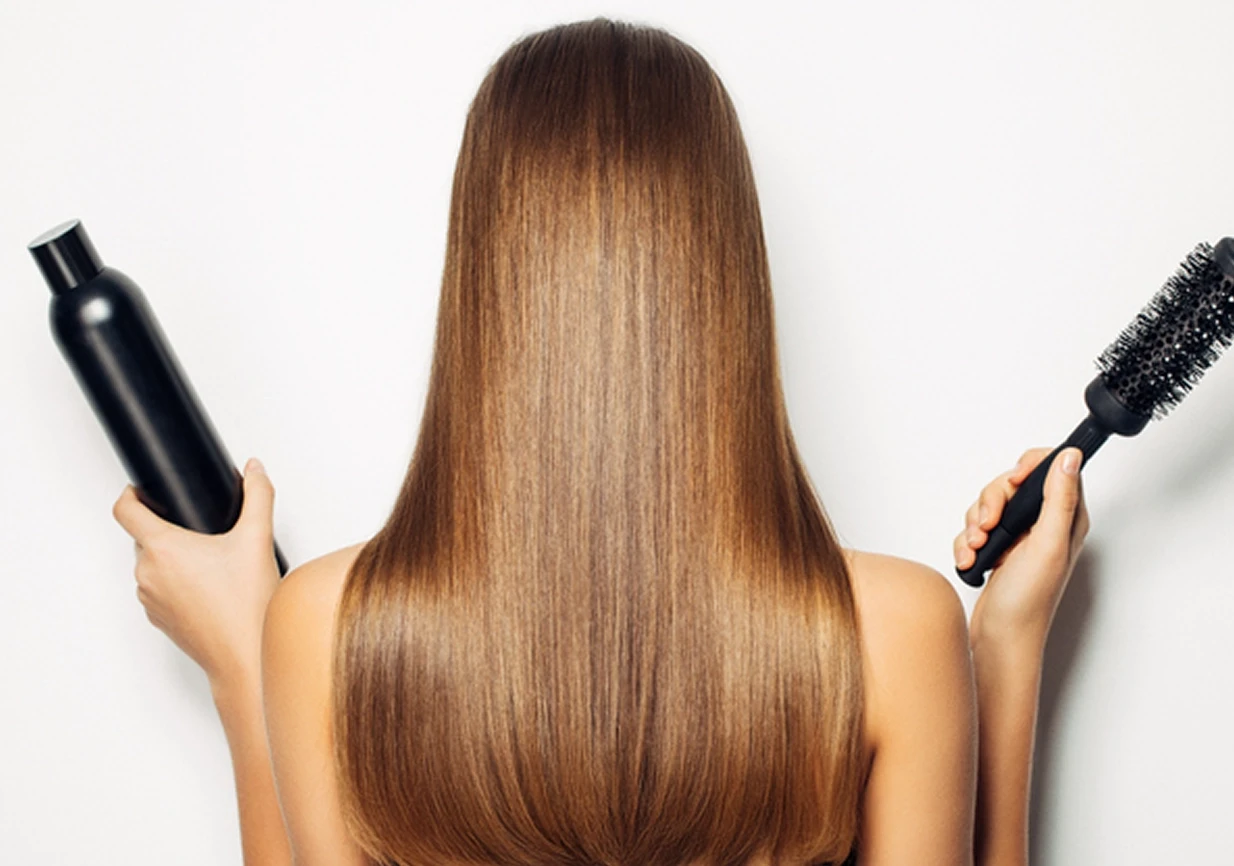
A widening part, more hair on the brush, a ponytail that has lost its weight. Hair changes in women are common, real and too often brushed off. We start by finding what’s driving the change, in the follicle, the hormones or the rest of your health, before recommending anything. Every plan is set by a doctor.
What it covers
What does Hair cover?
Your plan is set in consultation. These are the changes this approach covers, from a few months of shedding to thinning that has been creeping in for years.

Thinning along the part & crown
Pattern hair loss, the most common kind in women. The follicles gradually shrink and the hair grows finer. Caught early, there’s more to keep, with PRP and prescribed treatment.

Shedding after a baby
Heavy shedding a few months after birth is common and usually settles on its own. We check that it is settling, and that nothing else is going on underneath.

Shedding after stress, illness or dieting
A shock to the system can tip a large share of follicles into shedding at once, two or three months later. Finding the trigger is the treatment.

Hormonal changes & health conditions
Perimenopause and menopause, thyroid changes, low iron, polycystic ovary syndrome. Hair is often the first thing to show it, so we test before we treat.

Scalp health & the home programme
Flaking, itching, oiliness or tenderness can sit behind shedding. The scalp is examined, treated, and set up with medical-grade care prescribed for home.
Keeping the hair you have
Hair is easier to keep than to regrow. Thinning that runs in the family can be slowed with a plan that starts early and is reviewed, not assumed.
Men are seen through Hair at Male by Cleon, the men’s side of the clinic, where pattern loss is planned differently, including scalp mesotherapy.
The approach
What is Hair at Cleon?
Not a menu of hair treatments. A diagnosis first, then the right tools for it, in the clinic and at home.
Hair at Cleon is hair loss treatment for women that starts with a diagnosis. Thinning and shedding in women have many causes: pattern hair loss, shedding after a baby, an illness or a stressful few months, low iron or thyroid changes, the hormonal shifts of perimenopause and menopause, and scalp conditions, including a few that scar. A doctor examines the scalp and the pattern, orders blood tests where they’re needed, and then builds a plan from PRP in clinic, prescribed home treatment and, where appropriate, prescription medicine. Australian law doesn’t allow prescription medicines to be advertised, so they’re discussed at your consultation. Treating the wrong cause wastes months, so we test before we suggest anything.
Assessment & testing first
The pattern and the scalp are examined, your history is taken, and blood tests are ordered where they’re needed: iron stores, thyroid, vitamin D, and hormones where the picture suggests it. Scarring types of hair loss are referred to a dermatologist early, because they need different treatment.
PRP in clinic
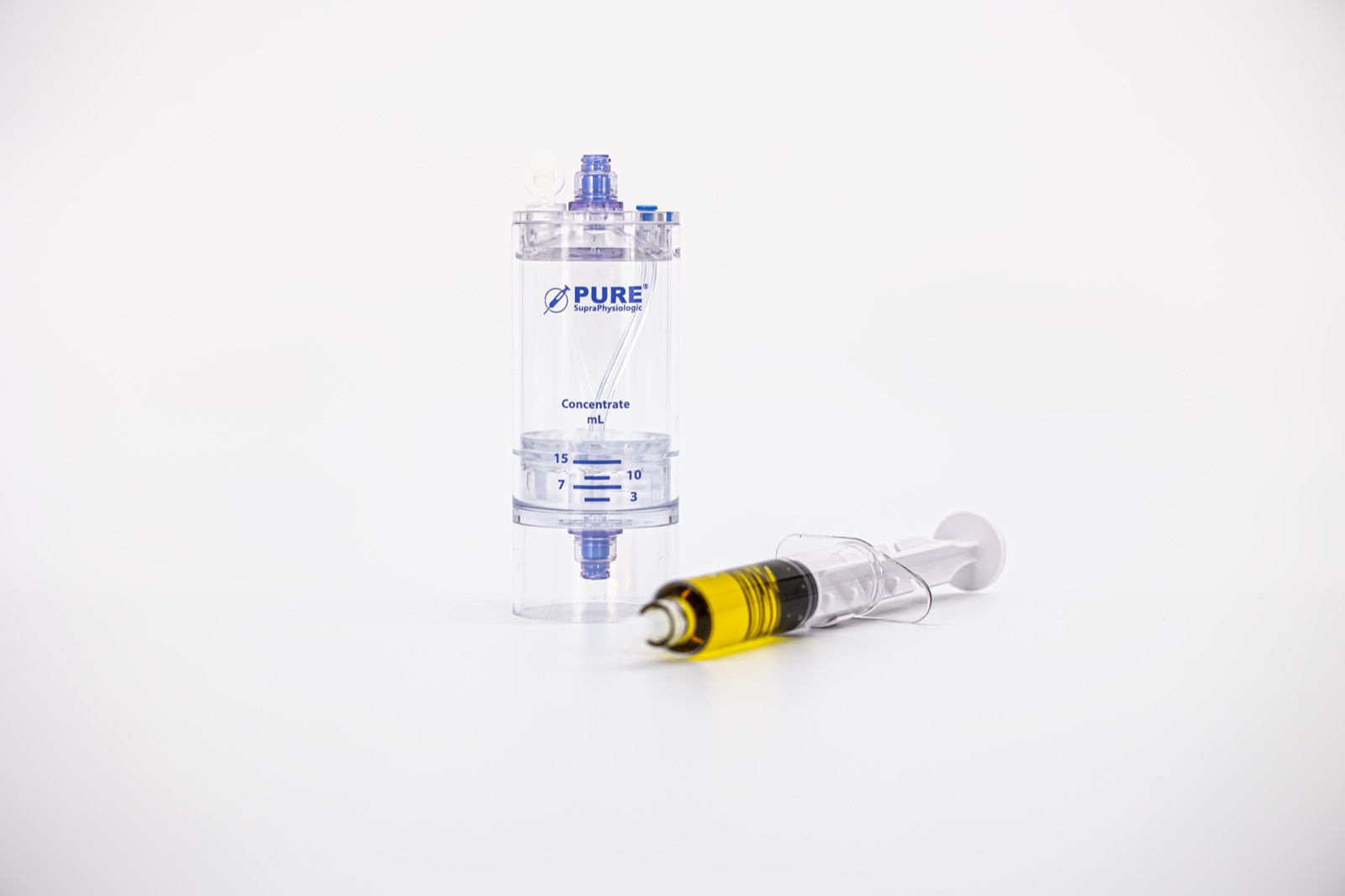
Your own platelets, concentrated with the EmCyte PurePRP system and placed into the thinning areas, usually a course of three a month apart. Most studied for pattern thinning caught early. Not a cure, and we’ll say so. More about PRP.

Prescription medicine & home care
Where hormonally or physiologically driven loss is found, prescription treatments, taken or applied at home, may be appropriate, and are discussed and agreed at your consultation. Medical-grade scalp and hair care, specific to the cause, not a generic routine.
What to expect
What happens at a hair loss consultation?
The steps are the same for everyone. The plan is yours.
-
Book
A free video call from wherever you are, or an hour face to face at our Potts Point clinic. The conversation comes first.
-
Consult
We listen to what you’ve noticed and when it started, then look properly: the pattern and distribution, the scalp, your history, and what you’ve already tried. Face-to-face consultations include a clinical scalp assessment and photos for your file. No treatment agenda.
-
Tests, if needed
Where the picture calls for it, a blood test request for iron, thyroid, vitamin D or hormones, so the plan rests on results rather than guesses. Scarring or unusual patterns are referred to a dermatologist.
-
Your plan
A personalised plan, and its price: PRP in clinic, prescribed home treatment and ongoing care, with prescription medicine where appropriate. Every plan is set by a doctor.
-
First treatment
Where PRP is the right treatment, it can often begin at the same visit. Nothing happens without your agreement.
-
Follow up
Hair changes slowly, so we review at about three and six months against your photos and adjust the plan. Results are monitored, not assumed.
Two ways to start: a free video call, or an hour in clinic for $100, which comes off any treatment done on the day. PRP has set prices: $900 a session, or $2,400 for a course of three. Prescription treatments are priced at your consultation. All pricing.
Our founder
Doctor-led, from the first conversation.
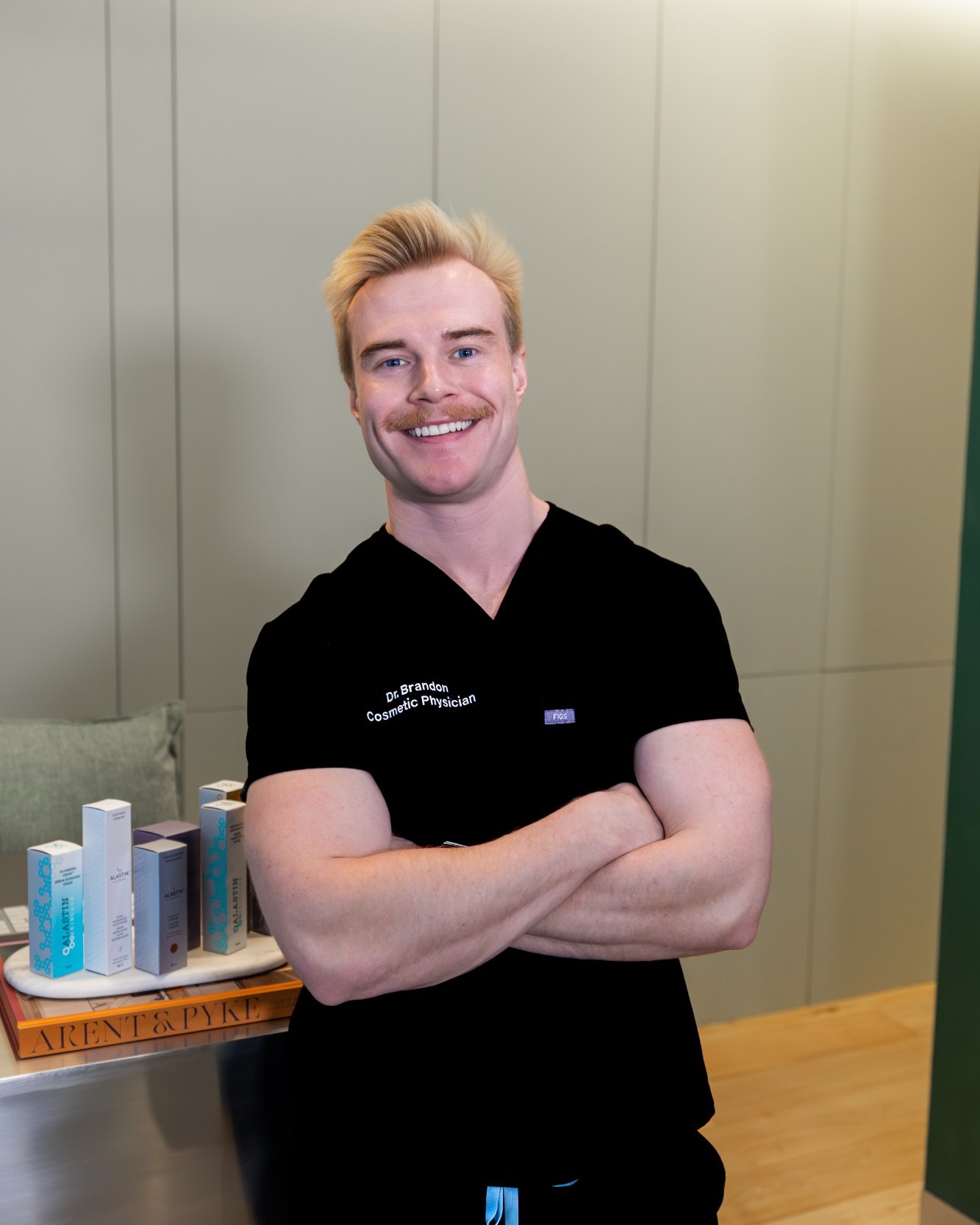
Cleon was founded by Dr Brandon Kober-Brown, a cosmetic doctor. Every plan is set by a doctor, after a proper look at the scalp and the whole picture, and treatments are performed by our clinical team under medical supervision. Results are reviewed against your photos, not assumed.
You’ll be told what’s worth doing, what isn’t, and which hair is unlikely to come back. If the honest answer is a blood test and a few months’ patience, that’s what you’ll hear.
Dr Brandon Kober-Brown, founderMBBS · GCCM · ProfDip Men’s Health · AHPRA MED0002581903Member, Cosmetic Physicians College of Australasia

Frequently asked
Hair loss treatment for women in Sydney: your questions
Hair is one of The Clinic’s five areas, alongside Skin Quality and Ageing Well. Anything else, ask at your consultation or email hello@cleonclinic.com.
Do I need to know what’s causing my hair loss before I book?
No. Working out the cause is what the consultation is for. Thinning in women can have several drivers at once: hormonal change, shedding after a baby, stress or illness, low iron or thyroid changes, and the pattern loss that runs in families. Treating without knowing the cause usually means the wrong treatment, so the assessment comes first, and any plan comes after it.
What causes hair thinning and hair loss in women?
Most often one of three things, and sometimes more than one. Pattern hair loss, where genes and hormones gradually shrink the follicles and the part widens. Shedding, where a shock to the system such as childbirth, illness, surgery, a crash diet or a stressful few months tips a large share of follicles into resting at once, with the hair falling two or three months later. And changes in the rest of the body: low iron, thyroid problems, polycystic ovary syndrome, perimenopause and menopause. A few scalp conditions destroy follicles permanently, and one can look just like pattern loss, which is why we examine before we treat.
Is hair loss after having a baby normal?
Usually, yes. During pregnancy more hair stays in its growing phase, and a few months after birth it sheds in a rush. It looks alarming but tends to settle within six to twelve months without treatment. We check that it is settling, that iron and thyroid are where they should be, and that there isn’t pattern thinning underneath that the shedding has unmasked. If it hasn’t settled by a year, that needs a proper look.
Can hair loss in women be reversed?
It depends on the cause. Shedding from a trigger usually recovers once the trigger has passed, though it takes months. Pattern thinning can be slowed, and the hair you still have can sometimes be thickened, but it isn’t cured, so results need maintaining. Hair lost to scarring conditions doesn’t come back, which is why those are referred early. We’ll tell you honestly which kind yours is, and what a realistic result looks like.
What is PRP hair treatment and how does it work?
PRP, platelet-rich plasma, uses platelets from a sample of your own blood, concentrated in clinic and placed into the thinning areas of the scalp, where their growth factors support the follicles. It’s been studied most in pattern thinning caught early, and the evidence is encouraging but not settled. It works best while follicles are still active, and it isn’t a cure. Suitability is assessed at the consultation. More about PRP at Cleon.
What are the best hair regrowth treatments for women?
There’s no single best treatment, because it depends on the cause, the type and how far it has gone. PRP, prescribed home treatment, prescription medicine where it’s appropriate, and fixing an iron or thyroid problem can all play a part, and more than one is often used together. The consultation works out what will actually make a difference for your hair, not what is most often sold.
Do blood tests help with hair loss?
Often. Low iron stores, thyroid changes and low vitamin D are all linked with shedding and thinning in women, and they’re easy to miss and easy to check. We test where the picture calls for it, rather than putting everyone on supplements, because good evidence that supplements regrow hair when nothing is low is still lacking.
Is hair loss after menopause treatable?
Yes. As oestrogen falls, hair that was always going to thin tends to do so faster, and the part widens. It’s assessed like any pattern loss: the scalp and pattern examined, other causes checked, then a plan from PRP, prescribed home treatment and, where appropriate, prescription medicine. The sooner it’s looked at, the more there is to keep.
How long does hair loss treatment take to show results?
Hair grows about a centimetre a month, and a follicle that has been helped still has to grow a visible hair, so meaningful change takes three to six months, and some results build more slowly than that. The first sign is often less shedding, before anything looks thicker. We photograph at the start and review against those photos, so you can see the change rather than guess at it.
Will I need to continue treatment long-term?
It depends on the cause. Shedding from a trigger usually needs no ongoing treatment once it has recovered. Pattern thinning is a long-term tendency, so what holds it tends to need continuing, with PRP maintenance every few months and home treatment kept up. We explain this clearly at the start, including what stopping would mean for your hair, so there are no surprises.
What assessment is done at the hair loss consultation?
The pattern and distribution of the loss, the scalp itself, and the contributing factors: your medical and hormonal history, medicines, diet, recent illness or stress, and what you’ve already tried and how the hair responded. Face-to-face consultations allow a direct clinical look at the scalp and photos for your file. Blood tests are requested where they’re needed, and unusual or scarring patterns are referred to a dermatologist.
Does PRP hurt, and is there downtime?
There’s a blood draw, like any blood test, then the PRP is placed into the scalp with fine needles. Most people describe it as uncomfortable rather than painful, and a numbing cream can be used. The scalp can be red, tender and a little swollen for a day or two. Afterwards, don’t touch the area for two hours, and skip saunas, hard exercise and alcohol for 24 hours. There’s nothing to hide, and most people go straight back to their day.
How much does hair loss treatment cost in Sydney?
The consultation is a free video call, or an hour in clinic for $100, which comes off any treatment done on the day. PRP is $900 a session, $2,400 for a course of three, and $800 for a maintenance session. Prescription treatments can’t be priced online under Australian law, so they’re priced at your consultation, before anything goes ahead. There’s no Medicare rebate for cosmetic treatment. Full details are on our pricing page.
Is scalp mesotherapy available for women?
Yes, for some women with pattern hair loss. Scalp mesotherapy is part of Hair at Male by Cleon, but women are assessed for it here, at a Hair consultation, and it’s planned alongside PRP where it suits. It uses a prescription medicine prescribed off-label, which can’t be advertised in Australia, so whether it’s right for you, including your plans for pregnancy, is discussed at your consultation.
Do you treat alopecia areata or scarring hair loss?
We assess them. Patchy loss, loss with redness, scaling or pain, and loss that is destroying follicles need a dermatologist, and we refer early rather than treating the wrong thing. If you’re not sure what kind you have, that’s a good reason to come in: the examination tells us which path you need.
Can I address other concerns in the same consultation?
Yes. If you have skin concerns alongside hair loss, or other areas you’d like to discuss, the consultation can cover them together. Each concern is assessed on its own merits and recommended, or not, independently.
What if I’ve tried other hair loss treatments without success?
That’s common, and usually it means the cause wasn’t found or the treatment wasn’t the right one for it. We assess your hair and scalp from where they are now, not from a previous plan, and tell you honestly what is and isn’t likely to make a difference, so the plan is built around what has a genuine chance of working.
Is Hair for men too?
Men are seen through Hair at Male by Cleon, the men’s side of the clinic. Men’s hair loss is more often pattern loss and is assessed and planned differently, with PRP and scalp mesotherapy often combined in the same visit.
Can I start with an online consultation?
Yes. A free video call lets us hear what you’ve noticed, ask the first questions and tell you honestly whether it’s worth coming in. The clinical scalp assessment, photos and any treatment happen face to face at Potts Point.
Where can I find a hair loss clinic for women near me in Sydney?
Cleon by Dr Brandon is at Ground 02, 46a Macleay Street, Potts Point, a short walk from Kings Cross station and close to Elizabeth Bay, Rushcutters Bay, Darlinghurst, Woolloomooloo and the eastern suburbs. Consultations are face to face at the clinic, or by free video call first.
Also at Cleon by Dr Brandon
More ways to start.
Skin Quality
Texture, tone, pigment and hydration: peels, needling, laser, LED, PRP and skin boosters.
Ageing Well
Lines, volume, the eyes, the neck and the skin, assessed together. Rested, not done.
Beautification
Facial contouring and balancing: light, shadow and proportion across the whole face.
Corrective & Medical
Filler dissolving, hyperhidrosis, TMJ and jaw clenching, hay fever and more, assessed by a doctor.
Hair for men
Pattern loss and thinning on the men’s side of the clinic. Matter-of-fact and solution-focused.
Book a consultation
The sooner you ask, the more there is to keep.
Face to face at our Potts Point clinic, or a free video call first. Your plan is set by a doctor, and nothing happens without your agreement.
