

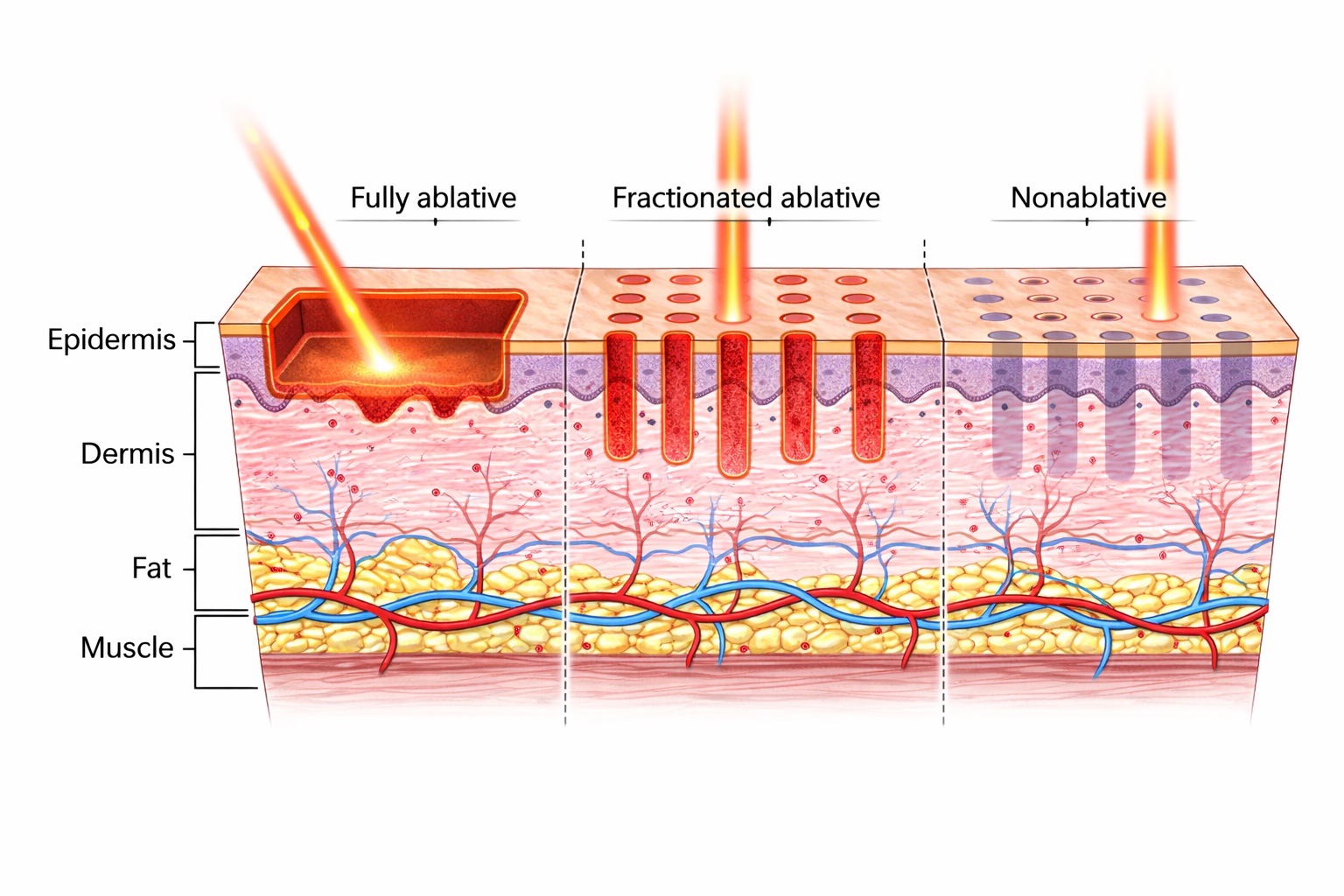
Fully Ablative vs Fractional Ablative vs Non-Ablative Lasers
One laser treatment might involve a few days of redness. Another can require a much longer recovery, with careful wound care while the skin heals. Both might be advertised as “laser resurfacing”, so it’s understandable that people get confused.
The differences come down to what the laser does to the skin, how much skin it treats and the settings used. Understanding those details is more useful than choosing a treatment by its name alone.
First, two terms worth understanding
“Ablative” means the laser removes tissue. “Non-ablative” means it heats tissue without vaporising it.1,2
“Fractional” describes the pattern of treatment. The laser treats microscopic zones while leaving skin between them untreated.1 Both ablative and non-ablative lasers can be fractional. These terms describe different aspects of the treatment, rather than three entirely separate technologies.
Fully ablative resurfacing
Fully ablative resurfacing removes a continuous layer of skin across the chosen treatment area. Depending on the laser and settings, it can also leave heat in the underlying tissue, contributing to collagen remodelling during recovery.
It can produce substantial improvements in wrinkles and sun-damaged texture, but it creates an open wound that needs appropriate care.1,2 The surface must heal, and redness can remain well beyond that initial healing period. Recovery is generally more involved than with fractional treatment.2
“Fully ablative” doesn’t necessarily mean the whole face is treated. It describes how the laser treats the selected area.
This approach needs careful assessment and a realistic discussion about recovery. Being willing to take time off work is only part of the decision. Your skin, medical history and ability to follow aftercare matter too.
Fractional ablative resurfacing
Fractional ablative lasers remove microscopic columns of tissue, leaving untreated skin between them. That surrounding tissue helps the treated areas heal, usually allowing a faster recovery than treating the entire surface.1,2
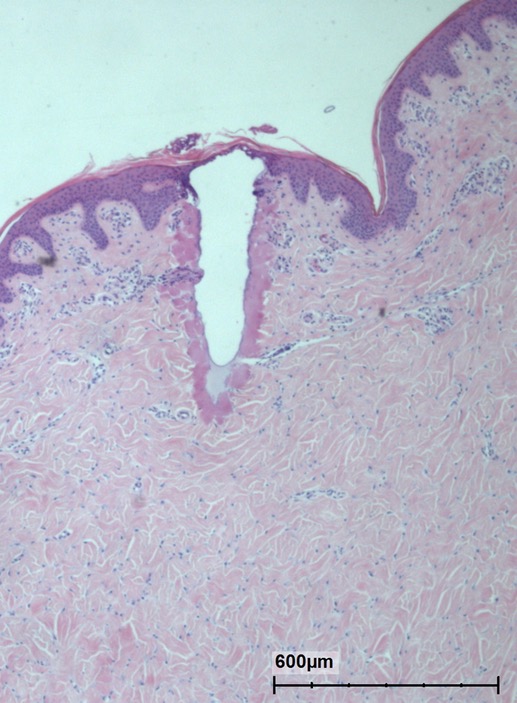
This approach can improve acne scarring, wrinkles and uneven texture.1,2 However, “fractional” doesn’t automatically mean gentle. Treatment depth and the proportion of skin treated can vary considerably, which affects both the result and the recovery.
Redness, swelling, oozing or crusting can occur. Depending on the treatment, you may need several days to two weeks or longer before you feel comfortable returning to normal activities. Some redness can persist after the surface has healed.3
I would want you to understand what recovery is likely to look like for your particular treatment, rather than rely on a generic promise of “minimal downtime”.
Non-ablative resurfacing
Non-ablative resurfacing heats tissue without removing the skin’s surface. Fractional versions create small zones of thermal injury beneath a largely preserved surface, encouraging gradual remodelling.1
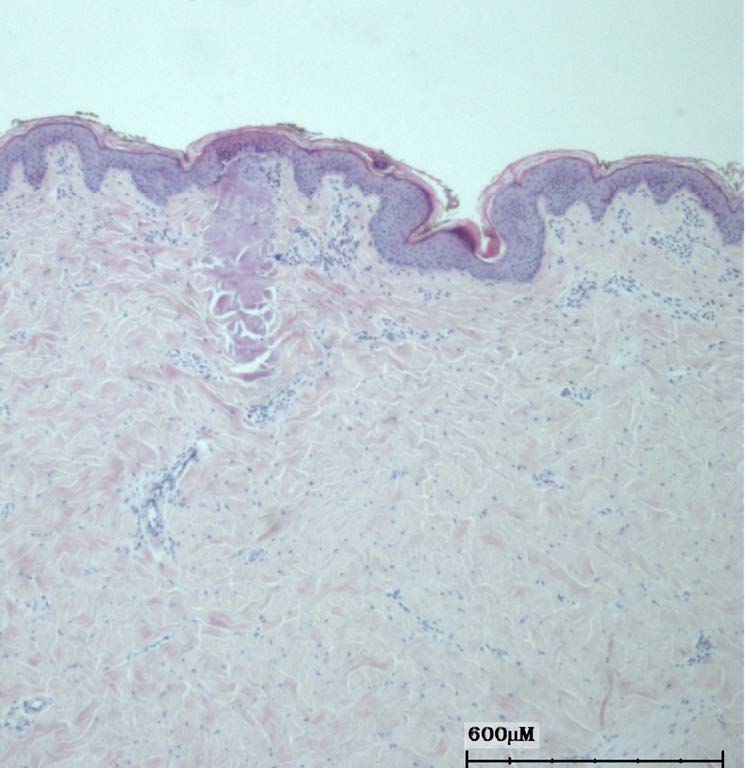
These treatments can help with concerns such as fine lines, texture and certain scars. Depending on the wavelength, they may also address some pigment changes.1,2 Improvement usually develops gradually, and a course of treatments is often needed.
Recovery is generally shorter than with ablative resurfacing, but it isn’t necessarily invisible. Redness, swelling and temporary roughness can still occur.
Non-ablative also doesn’t mean risk-free. Burns, pigment changes, infection and scarring remain possible, even when the skin’s surface isn’t deliberately removed.3
Which approach is right for you?
The most aggressive option isn’t automatically the most appropriate.
I would start with what you want to improve, then assess your skin, the treatment area, previous procedures and medical history. Your tendency to develop pigmentation or abnormal scars also matters. Some concerns, particularly acne scars, may need more than one type of treatment.
The device name alone won’t tell you what to expect. Two people treated with the same laser can receive very different treatments because the depth, density and energy have been tailored differently.
You should leave a consultation understanding what we’re treating, the improvement we realistically expect, the alternatives, the risks and what recovery will involve. Collagen remodelling continues after the surface has healed, so the final result also takes time to assess.2
My aim is to match the treatment to your skin and your priorities. A plan only makes sense if the likely benefit is worth the recovery and risk to you.
References
1. Alexiades-Armenakas MR, Dover JS, Arndt KA. The spectrum of laser skin resurfacing: nonablative, fractional, and ablative laser resurfacing. J Am Acad Dermatol. 2008;58(5):719–37. doi:10.1016/j.jaad.2008.01.003
2. Preissig J, Hamilton K, Markus R. Current laser resurfacing technologies: a review that delves beneath the surface. Semin Plast Surg. 2012;26(3):109–16. doi:10.1055/s-0032-1329413
3. Metelitsa AI, Alster TS. Fractionated laser skin resurfacing treatment complications: a review. Dermatol Surg. 2010;36(3):299–306. doi:10.1111/j.1524-4725.2009.01434.x
Written by Dr Brandon Kober-Brown MBBS, ProfDipMensHlth, GCCM
Registered Medical Practitioner (General Registration) MED0002581903
Disclaimer: This article provides general information and is not personal medical advice. Laser treatments carry risks and are not suitable for everyone. An appropriately qualified practitioner should assess your suitability and explain the expected benefits, risks, alternatives and aftercare before treatment.
