

NAD+: Miracle Molecule or the Latest Wellness Obsession?
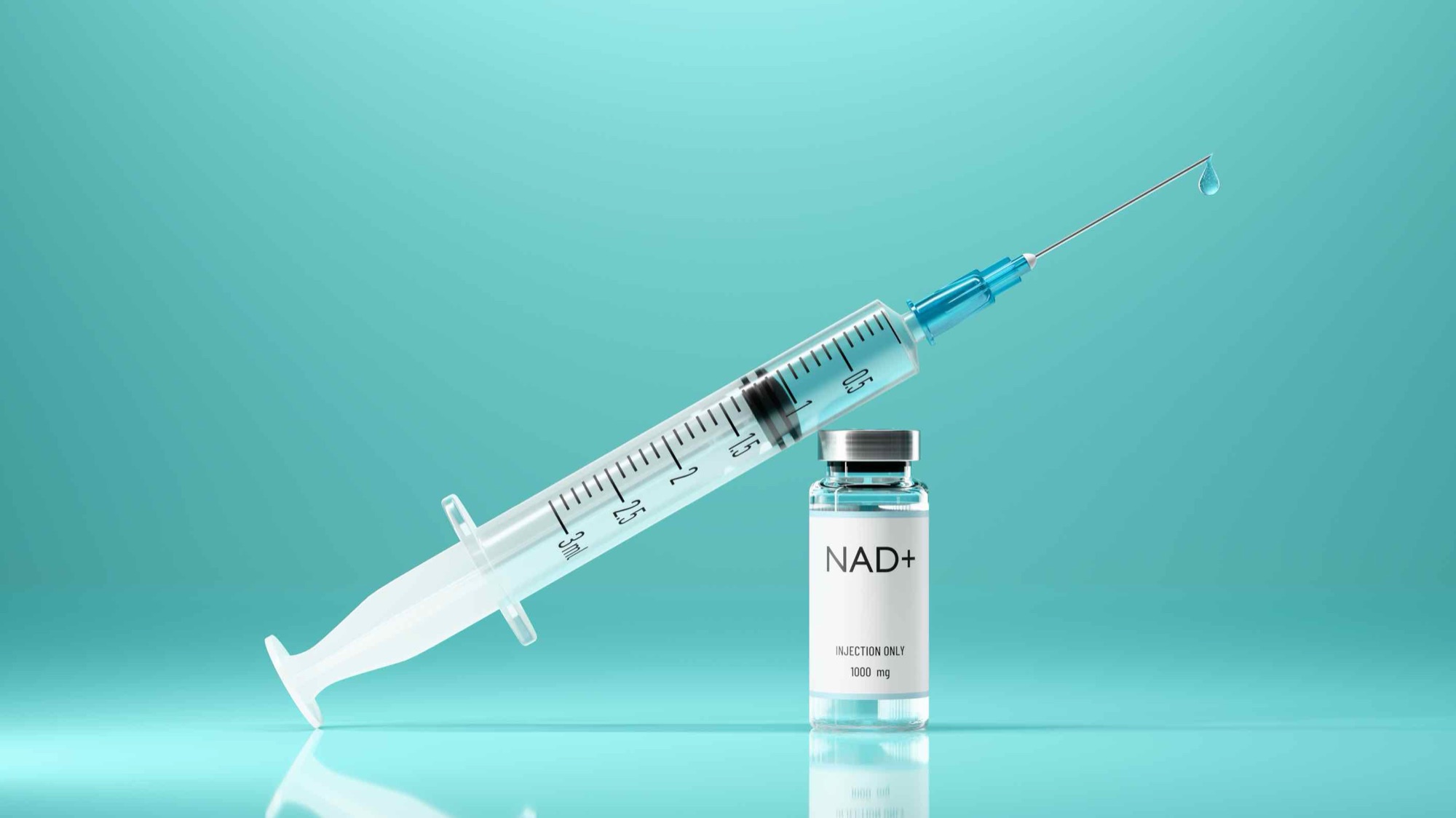
NAD+ has become a familiar name in wellness. It’s being offered in drips, injections and supplements, with promises of more energy, sharper thinking and slower ageing.
I understand the appeal. Most of us would like to feel better and stay well as we get older. But there is a considerable gap between what NAD+ does naturally in the body and what we know about the benefits of paying to have more of it.
What is NAD+?
NAD+ stands for nicotinamide adenine dinucleotide. It’s a molecule your cells use to help turn nutrients into energy. It also supports enzymes involved in DNA repair and the way cells respond to stress.1
These are essential processes, which is why researchers are interested in its relationship with ageing. The biology is worth studying. That doesn’t automatically make every treatment marketed around it effective.
Does it decline as we age?
You’ll often hear that NAD+ falls with age and needs to be replaced. The evidence is more complicated than that.
Age-related declines have been found in some tissues and studies, but human data remain limited.2 NAD+ levels don’t necessarily change in the same way throughout the body, and we can’t assume everyone who feels tired has a deficiency.
Even where a decline occurs, we still need to establish whether increasing NAD+ produces a meaningful health benefit. Raising a laboratory measurement isn’t enough on its own.
What does the research show?
Much of the excitement comes from laboratory and animal research. Some studies have found improvements in metabolism, cellular function and other processes associated with ageing. Human results have been less consistent.3
There’s also an important distinction between NAD+ itself and substances the body uses to make it. Much of the human research involves oral supplements called nicotinamide riboside, or NR, and nicotinamide mononucleotide, or NMN. These are different from an NAD+ infusion.
Trials show that these supplements can increase certain NAD-related measurements. What remains unclear is whether that consistently translates into better energy, cognition, physical function or longer life.3 Evidence from a capsule also can’t simply be applied to a drip.
At present, NAD+ infusions have not been established as a treatment that reverses ageing or extends human lifespan. Reviews continue to highlight the shortage of good-quality trials measuring meaningful benefits.3,4
What about people who say they feel better?
Someone may feel more energetic or clearer-headed after a treatment. That experience matters to them, but it doesn’t tell us exactly what caused the improvement or how long it will last.
Rest, expectations, hydration and other changes happening at the same time can influence how someone feels. Controlled studies help separate those effects from the treatment itself.
I would also want persistent fatigue or difficulty concentrating assessed before assuming a wellness infusion is the answer. Those symptoms can have causes that deserve specific treatment.
An infusion still needs a medical discussion
A substance occurring naturally in your body doesn’t make injecting it automatically safe or beneficial. Infusions involve risks, including reactions, vein irritation and infection. Product quality and sterile preparation matter, and the long-term safety of repeated NAD+ treatment is not well established.
Before proceeding, you should understand what you’re receiving, why it’s being proposed, what evidence supports it and what it will cost. “Cellular repair” is a biological phrase, not a clear treatment outcome.
My view is that NAD+ is an interesting area of research with a lot still to prove. I’m open to better evidence, but I wouldn’t present it as an established anti-ageing treatment.
For now, I would put regular exercise, adequate sleep, not smoking and managing known health risks ahead of an expensive infusion. These may be less marketable, but they give us a much firmer starting point for ageing well.
References
1. Covarrubias AJ, Perrone R, Grozio A, Verdin E. NAD+ metabolism and its roles in cellular processes during ageing. Nat Rev Mol Cell Biol. 2021;22(2):119–41. doi:10.1038/s41580-020-00313-x One author co-founded Napa Therapeutics, which develops NAD+-related drugs.
2. McReynolds MR, Chellappa K, Baur JA. Age-related NAD+ decline. Exp Gerontol. 2020;134:110888. doi:10.1016/j.exger.2020.110888
3. Freeberg KA, Udovich CC, Martens CR, et al. Dietary supplementation with NAD+-boosting compounds in humans: current knowledge and future directions. J Gerontol A Biol Sci Med Sci. 2023;78(12):2435–48. doi:10.1093/gerona/glad106
4. Grant R, Berg J, Mestayer R, et al. A pilot study investigating changes in the human plasma and urine NAD+ metabolome during a 6 hour intravenous infusion of NAD+. Front Aging Neurosci. 2019;11:257. doi:10.3389/fnagi.2019.00257 Part-funded by NAD+ Research Inc.; one author directs a clinic that offers IV NAD+.
Written by Dr Brandon Kober-Brown MBBS, ProfDipMensHlth, GCCM
Registered Medical Practitioner (General Registration) MED0002581903
Disclaimer: This article provides general information and is not personal medical advice. NAD+ therapies have uncertain benefits and potential risks. Discuss any proposed treatment or supplement with a registered medical practitioner.
