

Why I Dissolve More Tear Trough Filler Than I Perform
I still perform tear trough filler in carefully selected patients. But these days, I dissolve more of it than I inject.
That reflects how conservative I’ve become with the under-eye area. Filler can help the right person, but many of the concerns people bring to a consultation aren’t caused by a lack of volume. Adding more can sometimes make the area look heavier rather than refreshed.
Before discussing treatment, I want to understand what is creating the appearance that bothers you.
A hollow isn’t always a volume problem
The tear trough is the groove that runs from the inner corner of the eye towards the cheek. The skin here is thin, so small irregularities or changes in volume can be noticeable.
Dark circles and a tired appearance can come from several things: pigmentation, visible blood vessels, skin laxity, puffiness or shadows created by the surrounding anatomy. Often, there is more than one factor involved.
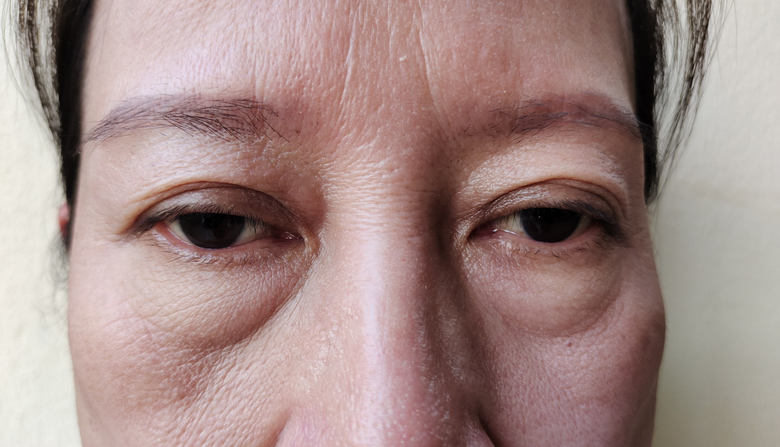
Filler may soften a genuine hollow, but it won’t correct every cause of darkness or treat excess skin. Existing puffiness also needs particular care, because adding volume can make it more prominent.
This is why I’m selective. I’m looking for a concern that filler can reasonably improve, rather than simply an area where it can be placed.
When a result changes over time
A common conversation starts with someone telling me their under-eye filler looked good initially, but now looks swollen or uneven.
That doesn’t automatically mean the original treatment was performed badly. Product choice, placement, the amount used and the way the surrounding tissues respond can all contribute. Delayed swelling and contour changes are recognised complications, sometimes appearing long after treatment.1
It also doesn’t necessarily mean the filler has migrated. Retained product, fluid accumulation and changes in the surrounding face can alter the appearance without the filler moving elsewhere.
Hyaluronic acid attracts water, and filler in this area can contribute to persistent swelling.2 Adding more to disguise a nearby hollow may compound the problem.
Why I use ultrasound
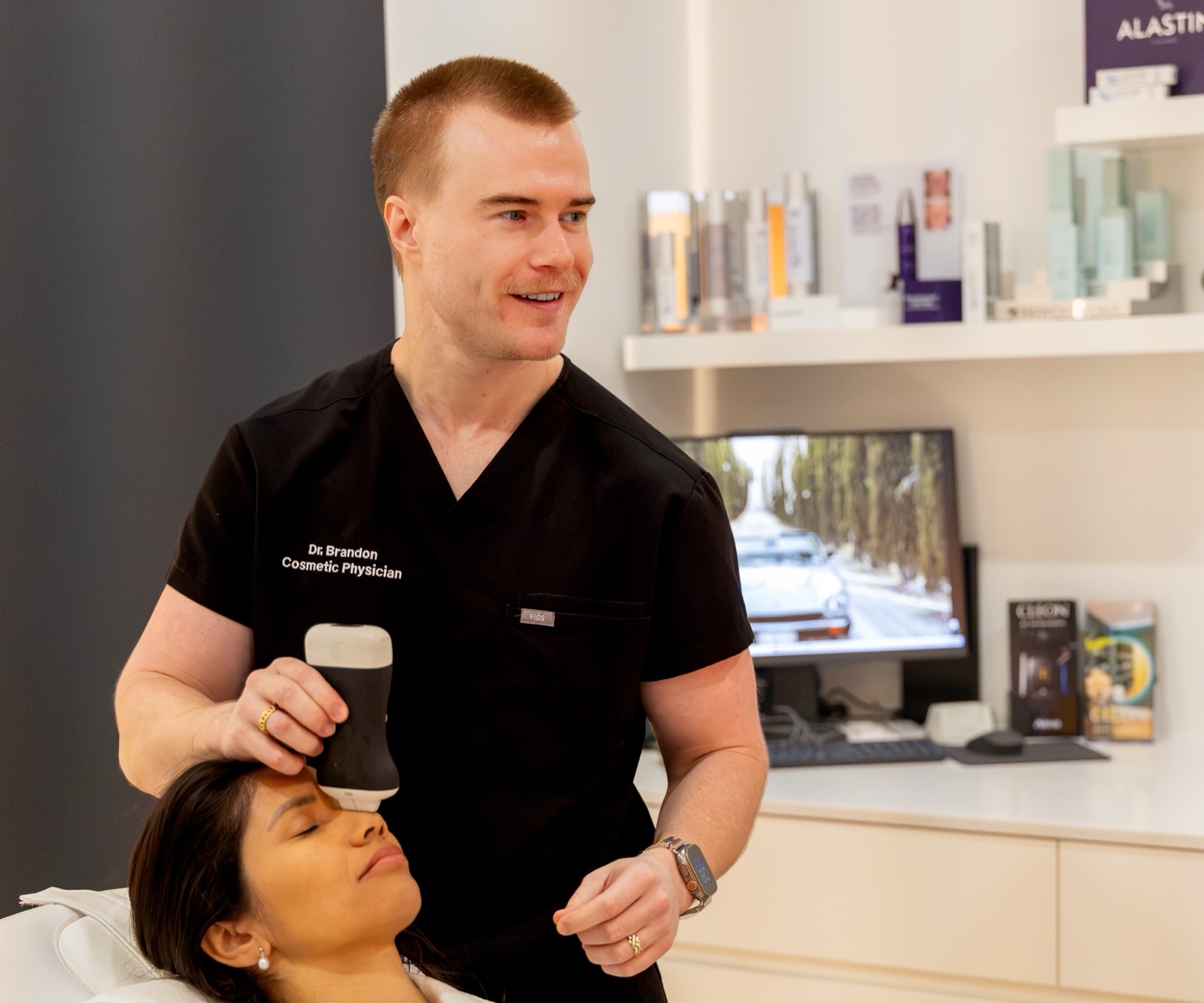
Ultrasound helps me assess what is beneath the surface. I can often identify deposits consistent with filler and assess their location in relation to the surrounding anatomy. If dissolving is appropriate, it can also help guide treatment towards the identified product.3
It adds useful information, but it doesn’t answer every question. Finding filler doesn’t prove it is responsible for every symptom, and the scan still needs to be considered alongside your history and examination.
The aim is to make a better-informed decision before doing anything further.
Dissolving can be the treatment
If existing filler appears to be contributing to swelling or unevenness, I may recommend dissolving rather than adding more.
That isn’t automatically the first step towards replacing it. Sometimes removing unwanted volume and allowing the area to settle is enough. Other times, reassessment makes it clearer that the concern would be better addressed through skin treatment, a surgical opinion or no further procedure.
Dissolving also needs its own discussion. It can cause swelling, bruising and allergic reactions, and more than one session may be needed. Removing filler can reveal the original hollow or changes that have occurred since it was placed. It cannot guarantee a return to exactly how you looked before treatment.
Being more selective
I don’t think tear trough filler should be ruled out for everyone. I do think the threshold for treating this area should be high. Alongside swelling and irregularities, filler carries rare but serious risks, including blocked blood vessels and vision loss.4 Conservative treatment does not eliminate those risks.
As my experience has grown, I’ve become more comfortable recommending less treatment, allowing time for reassessment or explaining why filler may not help.
My goal is for you to understand what is causing the concern and what we can realistically do about it. If adding more is unlikely to improve things, I’ll tell you.
Ultrasound-guided filler dissolving at Cleon →
References
1. Mustak H, Fiaschetti D, Goldberg RA. Filling the periorbital hollows with hyaluronic acid gel: long-term review of outcomes and complications. J Cosmet Dermatol. 2018;17(4):611–6. doi:10.1111/jocd.12452
2. Funt DK. Avoiding malar edema during midface/cheek augmentation with dermal fillers. J Clin Aesthet Dermatol. 2011;4(12):32–6. PMC3244361
3. Schelke LW, Decates TS, Velthuis PJ. Ultrasound to improve the safety of hyaluronic acid filler treatments. J Cosmet Dermatol. 2018;17(6):1019–24. doi:10.1111/jocd.12726
4. Doyon VC, Liu C, Fitzgerald R, et al. Update on blindness from filler: review of prognostic factors, management approaches, and a century of published cases. Aesthet Surg J. 2024;44(10):1091–104. doi:10.1093/asj/sjae091
Written by Dr Brandon Kober-Brown MBBS, ProfDipMensHlth, GCCM
Registered Medical Practitioner (General Registration) MED0002581903
Disclaimer: This article provides general information and is not personal medical advice. Filler and dissolving treatments carry risks and are not suitable for everyone. Individual assessment is required to discuss suitability, alternatives and expected outcomes.
