
PRP: What It Is and How It Works for Skin and Hair
PRP stands for platelet-rich plasma. It is a regenerative treatment that uses components taken from your own blood to support tissue repair, collagen production and hair follicle function.
It does not add volume, change facial structure or produce an instant cosmetic transformation. Instead, PRP delivers concentrated biological signals to the skin or scalp, encouraging the surrounding cells to repair, remodel and function more effectively.
It sounds slightly Dracula-adjacent, but the science behind it is genuinely interesting.
What PRP actually is
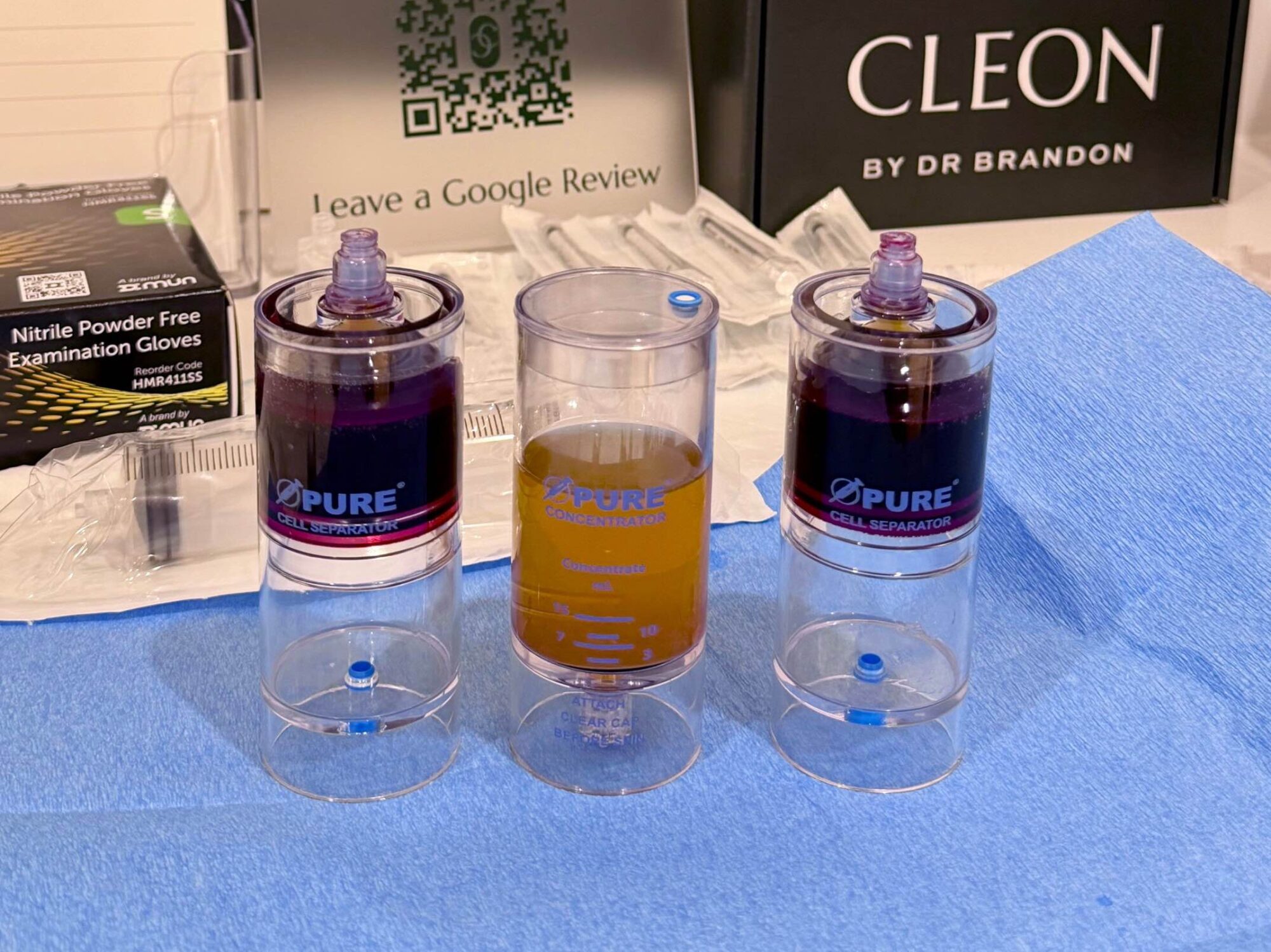
PRP is created by taking a sample of your blood and processing it in a centrifuge. This separates the blood into different components and allows us to isolate plasma containing a higher concentration of platelets.
Platelets are best known for helping blood clot, but they also contain growth factors and signalling molecules involved in wound healing, collagen production, blood vessel formation and communication between cells.
When concentrated platelets are delivered into a targeted area, they release these signals into the surrounding tissue. This is what produces the regenerative response.
Not all PRP is the same. The concentration of platelets, the presence of white blood cells and the amount of red blood cell contamination can vary significantly depending on the collection system and preparation method used. This is one of the reasons the quality of the equipment and the protocol matter.
How PRP works in the skin
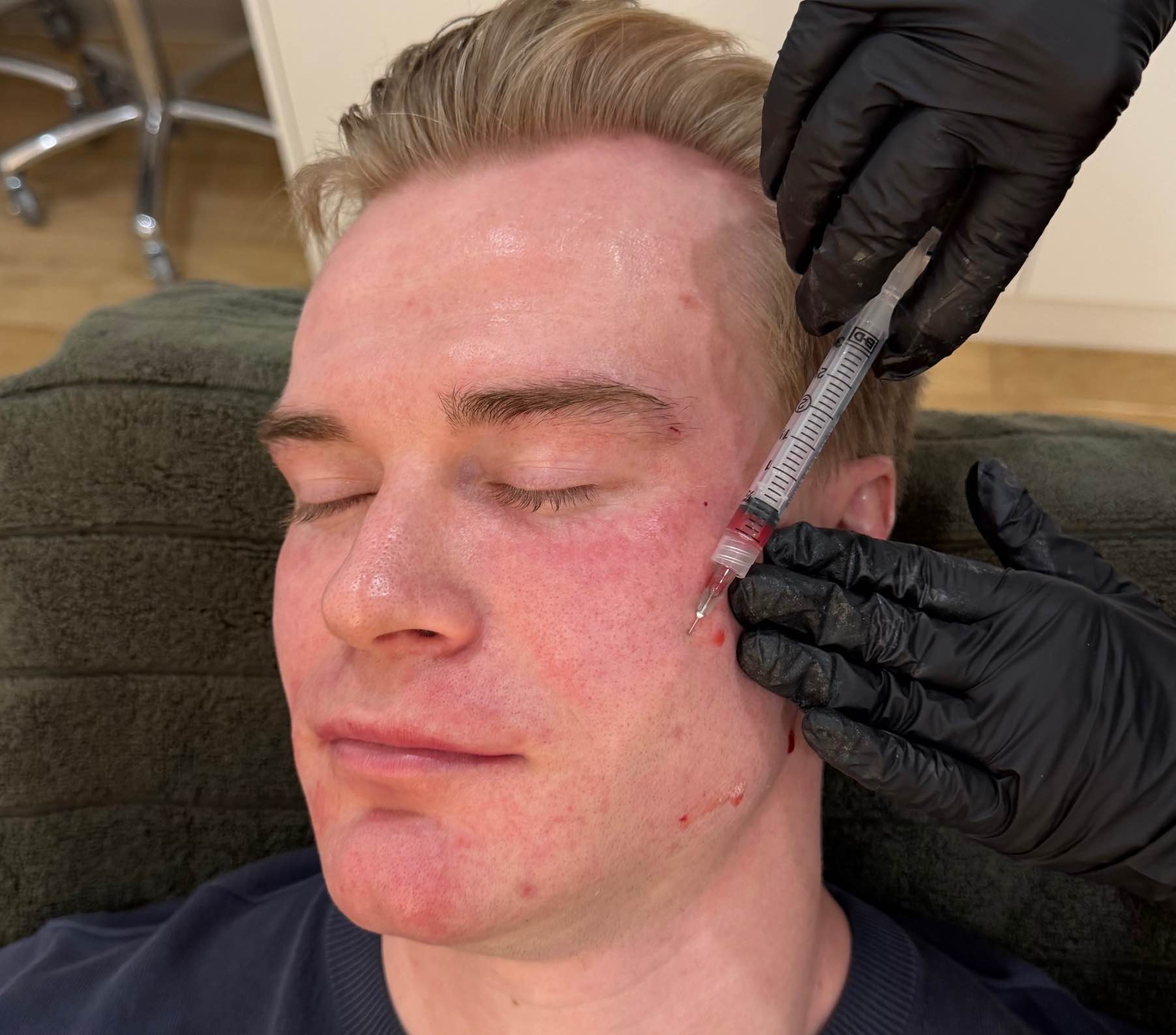
When PRP is introduced into the skin, the platelets release growth factors that activate repair and remodelling pathways. These signals can stimulate fibroblasts, the cells responsible for producing collagen and elastin.
Over time, this may help improve skin thickness, firmness, texture and overall quality. PRP can also be used to support healing after certain procedures or combined with treatments such as skin needling, depending on the individual patient and the outcome being targeted.
Importantly, PRP is not filler.
It does not physically fill a line or create projection. If you are looking for an immediate change in facial shape, PRP is not the treatment for that. Any visible improvement develops gradually as the skin produces and remodels collagen.
Collagen synthesis is slow, so the result tends to be progressive and subtle. That is both the appeal and the limitation of PRP. You are working with the body’s own repair mechanisms, and they do not operate on an Instagram deadline.
What about inflammation?
Inflammation is a normal and necessary part of healing, but more inflammation is not automatically better.
The biological effect of PRP can vary depending on how it is prepared. Different systems produce different concentrations of platelets, white blood cells and other blood components. The aim is to create a preparation suited to the tissue being treated while avoiding unnecessary red blood cell contamination or excessive inflammation.
This is why PRP should not be treated as one universal product. The way it is collected, processed and delivered influences what is actually being placed into the skin or scalp.
How PRP works for hair
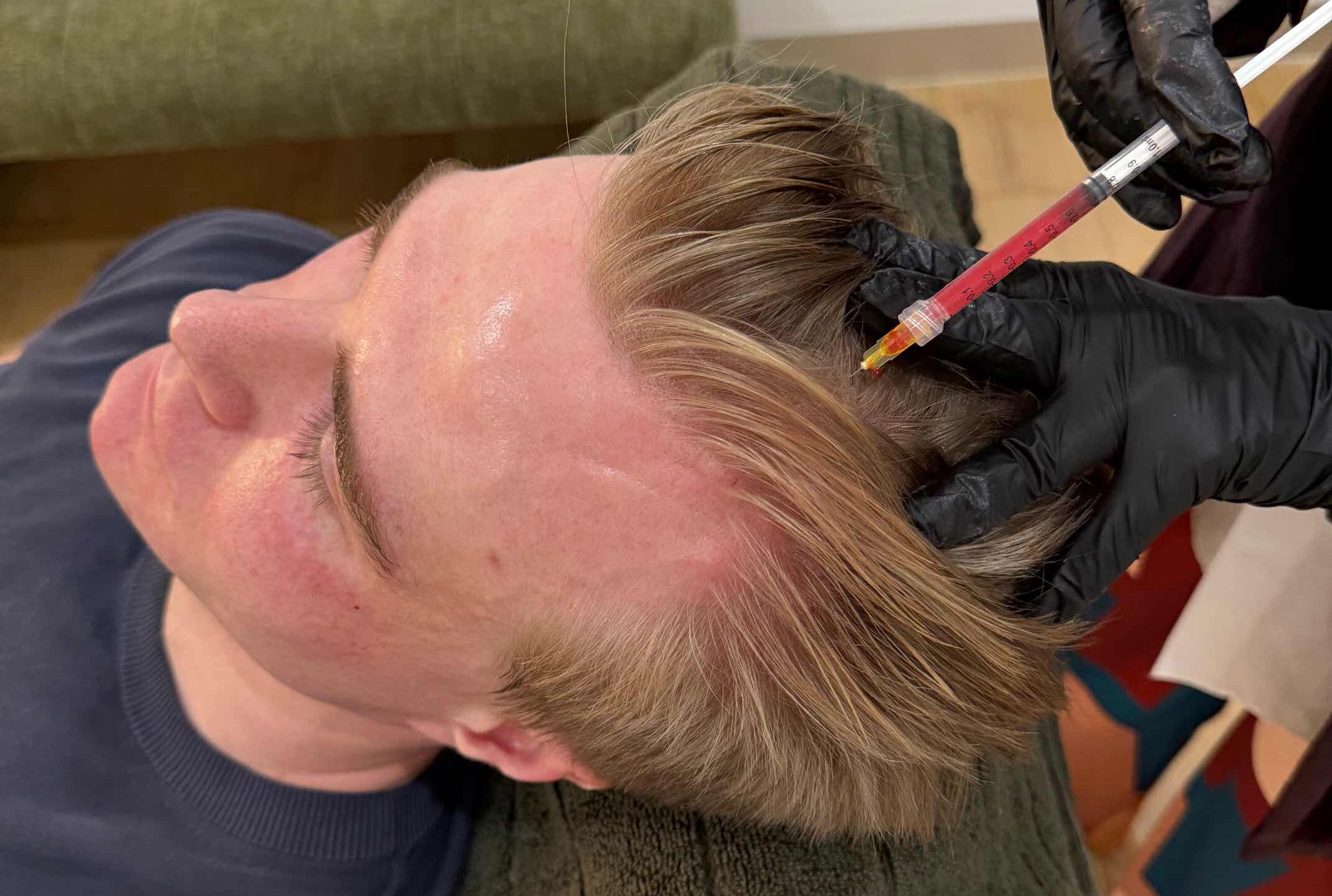
In the scalp, PRP is used to support existing hair follicles. The growth factors released by platelets may influence the follicular environment, support the active growth phase of the hair cycle and improve the calibre of existing hairs.
PRP does not create entirely new hair follicles, and it cannot restore hair in areas where the follicles are no longer viable. Its role is to support follicles that are still present.
For the right patient, this may help reduce shedding, improve hair thickness and support overall density. However, hair loss has many possible causes, including genetics, hormonal changes, nutritional deficiencies, illness, medication and inflammatory scalp conditions. Proper assessment matters because injecting PRP into every thinning scalp without understanding why the hair loss is occurring is not a particularly intelligent treatment plan.
PRP is commonly performed as an initial series of treatments spaced several weeks apart, followed by maintenance when appropriate. The exact protocol should be based on the cause and extent of the hair loss rather than applying the same package to everyone.
Who may benefit from PRP?
PRP may be considered for someone wanting a gradual improvement in skin quality, firmness or texture without adding facial volume. It may also be used to support recovery after selected procedures or as part of a broader collagen-stimulation plan.
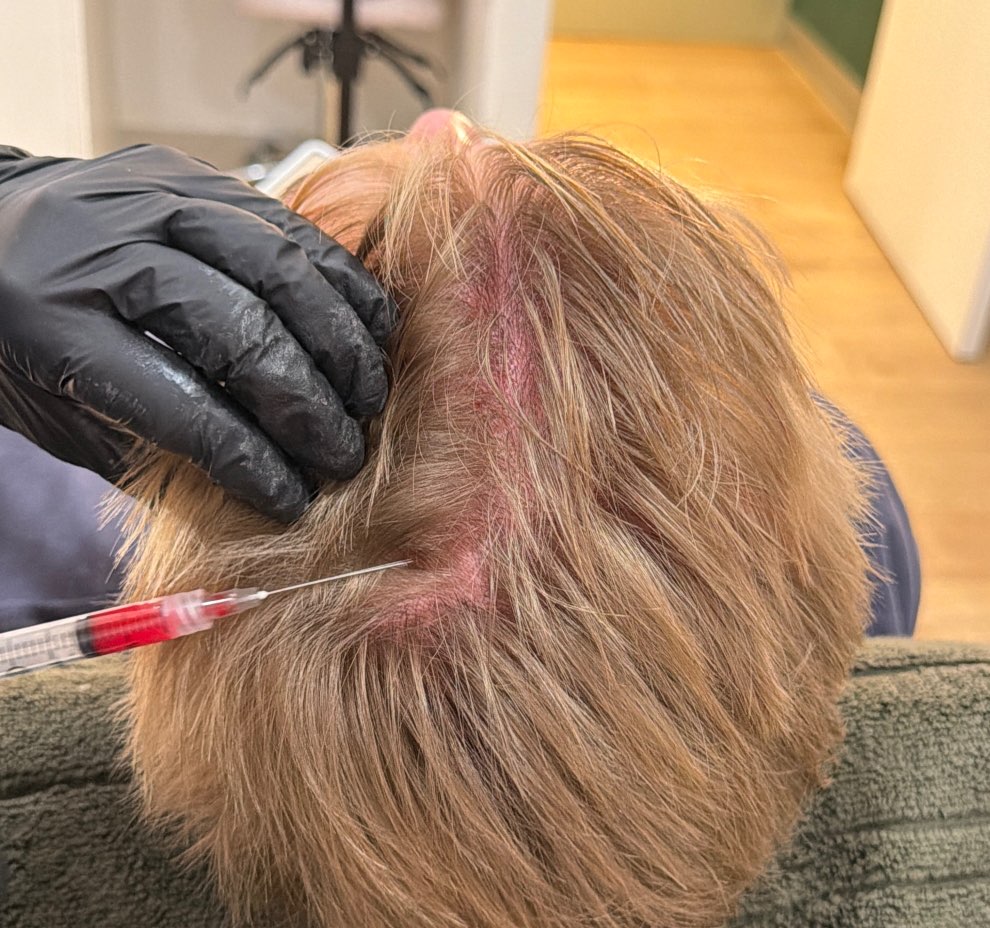
For hair, it may be suitable for people experiencing early thinning, reduced density or increased shedding where viable follicles are still present. It is not appropriate for every form of hair loss, and expectations need to be realistic.
PRP is not filler, anti-wrinkle treatment or laser resurfacing. It does not stop ageing, replace lost facial volume or regrow a completely absent hairline.
It is a supportive regenerative treatment that uses concentrated components from your own blood to influence how the skin, scalp and surrounding cells repair and function.
Written by Dr Brandon Kober-Brown MBBS, ProfDipMensHlth, GCCM
Registered Medical Practitioner (General Registration) MED0002581903
Disclaimer: This article is intended for general educational purposes only and should not be taken as personal medical advice. It is not a substitute for a consultation with a registered medical practitioner. Suitability for PRP and other treatments varies between individuals and should be assessed by an appropriately qualified practitioner.
