

Skin Needling Explained
Skin needling is often described as a treatment that stimulates collagen. That’s broadly correct, but it doesn’t tell you much about what happens, what it can improve or why the person performing it matters.
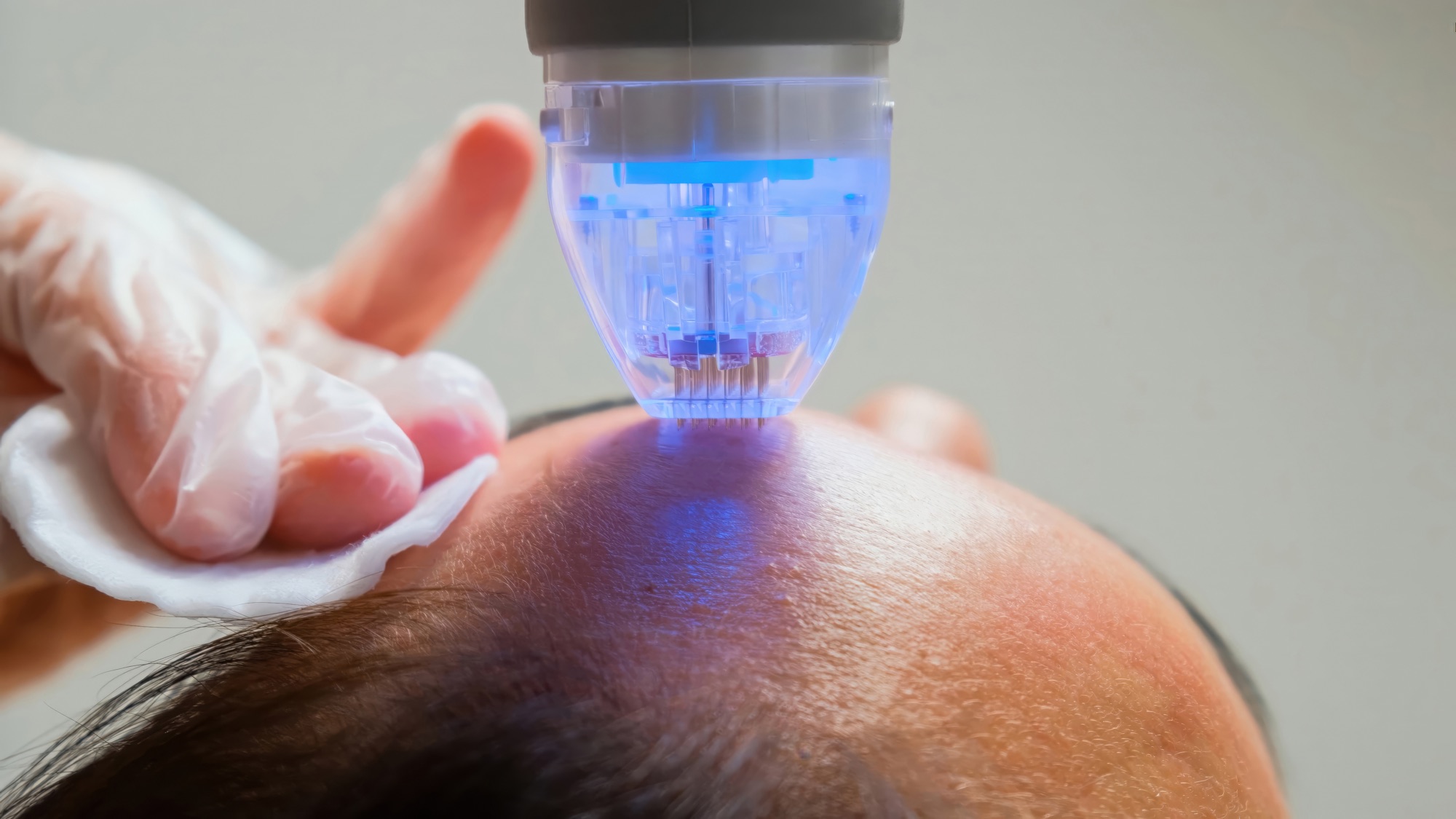
Also called microneedling or collagen induction therapy, it uses fine needles to create small, controlled injuries in the skin. The aim is to trigger repair and gradually improve the appearance of concerns such as acne scarring and fine lines.
The word “controlled” matters. We are deliberately injuring the skin, so the treatment needs to be appropriate for the person receiving it.
What happens beneath the surface?
The needle punctures trigger a wound-healing response. As part of that process, cells called fibroblasts help produce collagen, which contributes to the skin’s supporting structure. That tissue then continues to remodel over time.1,2
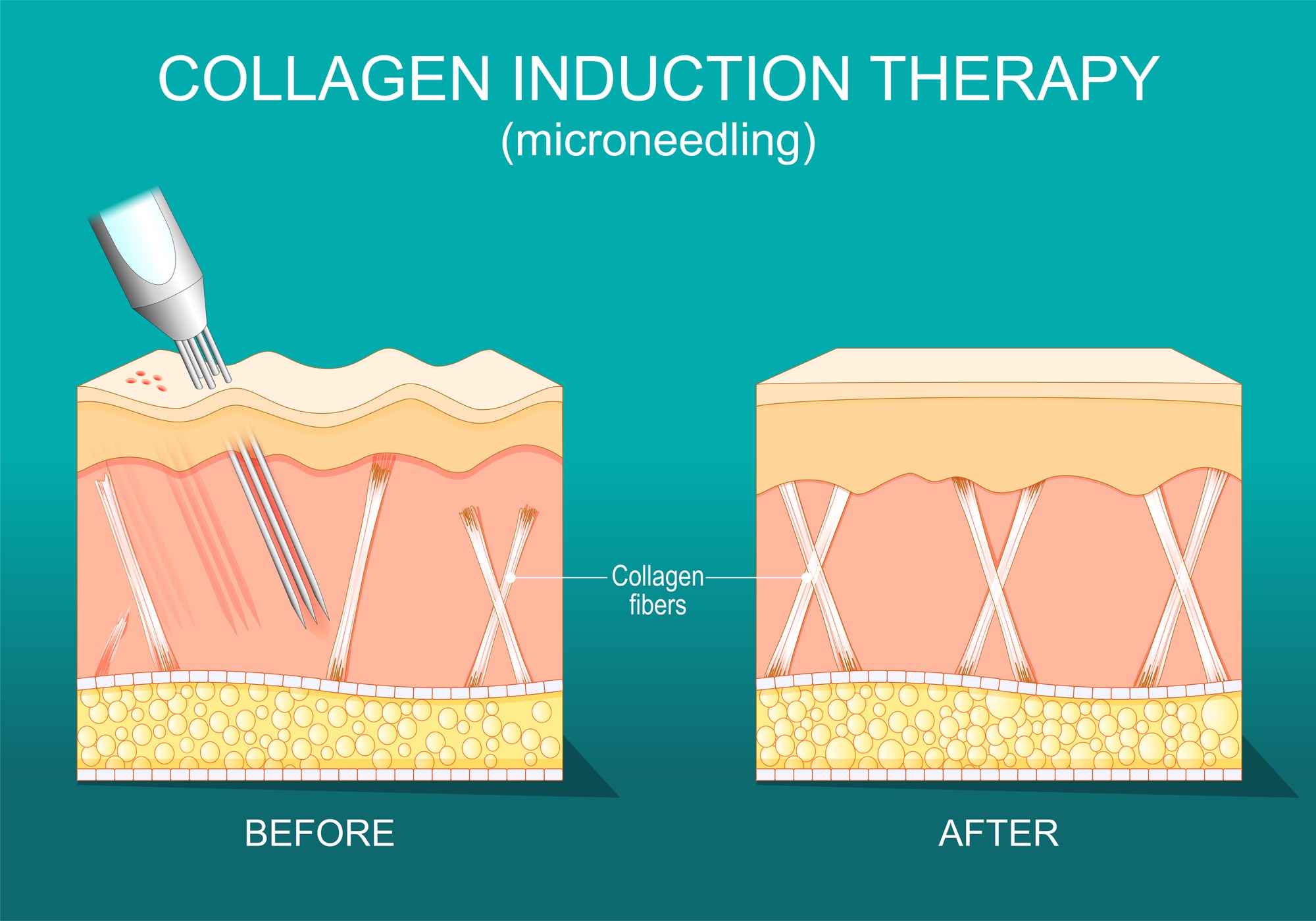
This is why the result isn’t immediate. Your skin might look temporarily plumper after treatment, partly because of swelling, but that isn’t the same as new collagen. Meaningful changes develop over weeks to months, and a course of treatments may be recommended. Results vary between people.
I would rather assess progress once the skin has settled than judge a treatment by how it looks immediately afterwards.
What can it help with?
Skin needling can improve the appearance of some depressed acne scars, uneven texture and fine lines.2,3 It won’t erase every scar, and different scar types may need different approaches or a combination of treatments.
Pigmentation also needs a diagnosis before treatment. “Uneven tone” can describe several different problems, and needling isn’t automatically appropriate for all of them. The procedure itself can sometimes cause darker or lighter patches.2
For me, the starting point is the concern you want to address. We should be able to explain why needling is being considered and what a realistic improvement might look like.
Deeper doesn’t automatically mean better
Needle depth should be selected for the treatment area, the concern and the device being used. The same settings won’t suit every part of the face.
More bleeding or a more dramatic recovery doesn’t prove that a treatment was more effective. The aim is an appropriate injury that the skin can recover from, rather than the most aggressive treatment you can tolerate.
This article is about conventional skin needling. Radiofrequency microneedling also delivers heat into the tissue and has a different risk profile. The two shouldn’t be treated as interchangeable.
Recovery is part of the treatment
Redness, discomfort, tightness and some peeling can occur afterwards. Infection, cold sore reactivation and pigment changes are less common risks. Scarring is also possible.2,3 Professional treatment reduces avoidable risks, but it doesn’t make the procedure risk-free.
Aftercare should be clear and specific. Follow the advice you’re given about cleansing, moisturising, sun protection, makeup and when to restart active skincare.
Freshly needled skin is not an opportunity to apply every serum you own. Products designed for an intact skin surface aren’t automatically suitable for use during or immediately after needling.4
If pain or redness is worsening rather than settling, or you develop pus, spreading warmth or fever, contact your treating practitioner promptly.
Who needs a closer assessment?
Active infection, inflamed acne, an eczema flare or impaired healing may mean treatment needs to wait. Your practitioner also needs to know about your medications, any history of unusual scarring or cold sores, and whether you are pregnant or breastfeeding. Current or recent isotretinoin use should be discussed before booking.
A home roller is not an equivalent substitute for professional treatment. Devices that puncture the skin can introduce infection or cause scarring when used incorrectly.
My approach is to decide whether needling has a useful role in your skin plan, allow enough time for healing and review the response. You shouldn’t feel committed to an endless course of treatments without understanding what we’re trying to achieve.
References
1. Singh A, Yadav S. Microneedling: advances and widening horizons. Indian Dermatol Online J. 2016;7(4):244–54. doi:10.4103/2229-5178.185468
2. Alster TS, Graham PM. Microneedling: a review and practical guide. Dermatol Surg. 2018;44(3):397–404. doi:10.1097/DSS.0000000000001248
3. Ramaut L, Hoeksema H, Pirayesh A, et al. Microneedling: where do we stand now? A systematic review of the literature. J Plast Reconstr Aesthet Surg. 2018;71(1):1–14. doi:10.1016/j.bjps.2017.06.006
4. Soltani-Arabshahi R, Wong JW, Duffy KL, Powell DL. Facial allergic granulomatous reaction and systemic hypersensitivity associated with microneedle therapy for skin rejuvenation. JAMA Dermatol. 2014;150(1):68–72. doi:10.1001/jamadermatol.2013.6955
Written by Dr Brandon Kober-Brown MBBS, ProfDipMensHlth, GCCM
Registered Medical Practitioner (General Registration) MED0002581903
Disclaimer: This article provides general information and is not personal medical advice. Skin needling carries risks and is not suitable for everyone. An appropriately qualified practitioner should assess your suitability and explain the expected benefits, risks, alternatives and aftercare before treatment.
