

For women and men · Potts Point
Redness & Rosacea Treatment in Sydney
Calm the skin first. Then clear what’s left.
Flushing that comes and goes, cheeks that stay pink, fine red vessels around the nose, bumps that look like acne and aren’t. Facial redness has several causes, and they’re treated differently: some with light, some with skincare, some with a prescription. So at Cleon, a doctor-led clinic in Potts Point, the redness is assessed first. Then IPL for background redness, a fine green laser for single vessels and red spots, and the skincare and medical treatment that keep the skin settled. Not run from a menu.
- First step
- An assessment
- IPL course
- 3–6 sessions
- Capillaries
- 1–3 sessions
- Downtime
- Little to none
- Consultation
- $100
The types
What kind of facial redness do I have?
Four kinds cover most of what we see. Rosacea can bring several of them at once, which is why the assessment comes before the plan.
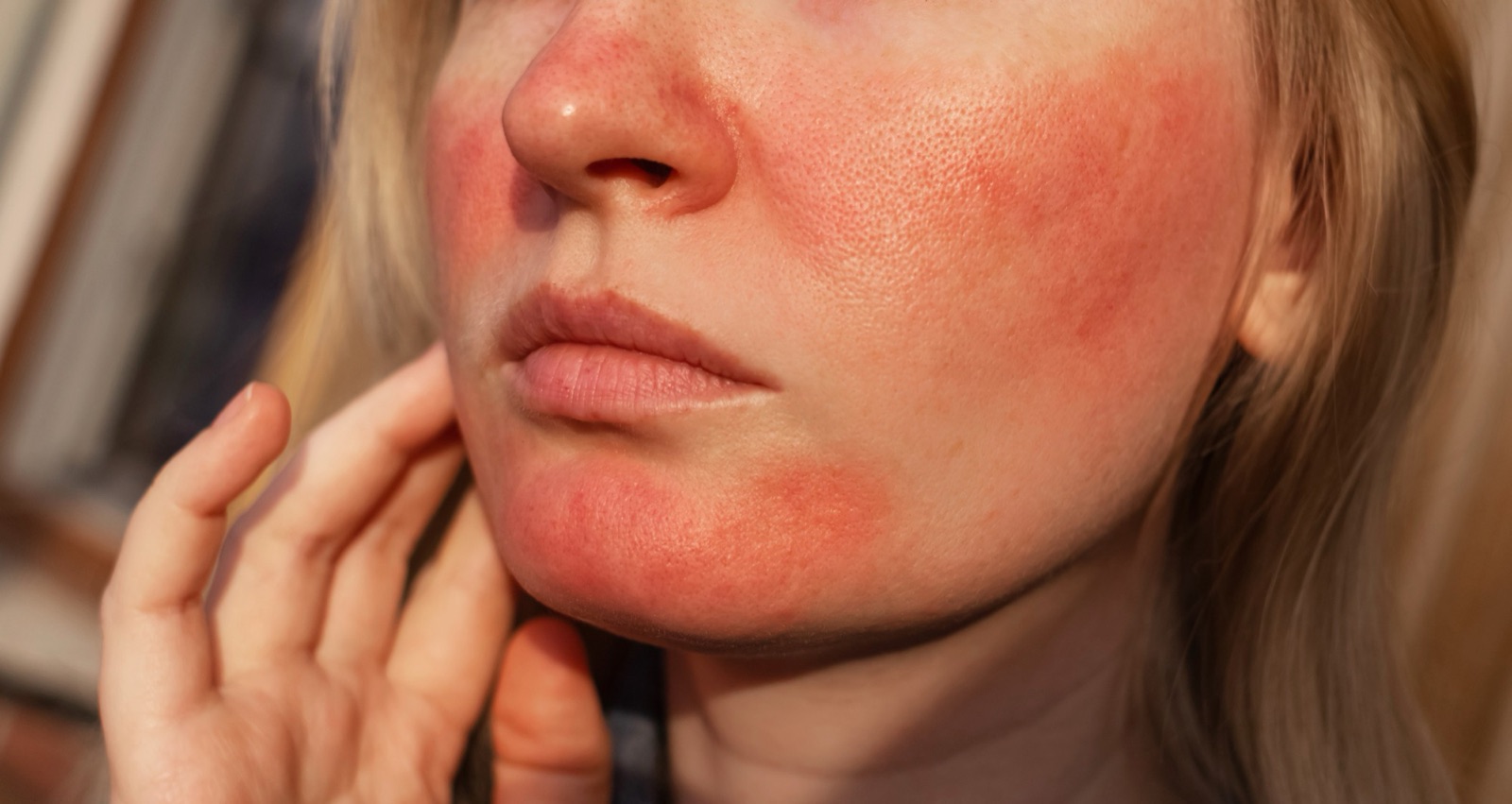
Facial redness comes from blood vessels near the surface of the skin, from inflammation, or from both. The common types are flushing and background redness, broken capillaries, the bumps and pimples of rosacea, and small red spots such as cherry spots. Rosacea is a long-term skin condition that can cause several of these, and it’s managed rather than cured. At Cleon, a doctor-led clinic in Potts Point, Sydney, background redness is treated with IPL on the Alma Harmony, and broken capillaries and red spots with the VascuPen, a fine green laser. LED light therapy and barrier skincare calm reactive skin, and prescription treatment is added where a doctor recommends it. Redness beneath the surface is photographed with a clinical imaging system before treatment, and again afterwards, so results are measured. Sun protection and knowing your triggers are part of every plan. A consultation is $100.
-
Flushing & background redness
Many fine vessels
Cheeks, nose and chin that flush easily, then stay pink. Many tiny vessels near the surface have widened and stopped closing back down. Often the first sign of rosacea. Heat, sun, alcohol and stress bring it on.
-
Broken capillaries
Single visible vessels
Fine red or purple lines you can trace, around the nose, on the cheeks and the chin. They aren’t broken. They’re widened vessels that no longer shrink back, and sun and years of flushing make more of them.
-
Rosacea bumps & pimples
Inflammation
Red bumps and pimples across the centre of the face, without the blackheads of acne. This is inflammation, not vessels, so it’s treated medically first. Light comes later, for the redness left behind.
-
Red spots
Small clusters of vessels
Cherry spots, the small bright red domes that arrive with age, and spider naevi, a red dot with fine legs. Harmless, and usually treated one at a time.
Clinical imaging
How do we see redness beneath the skin?
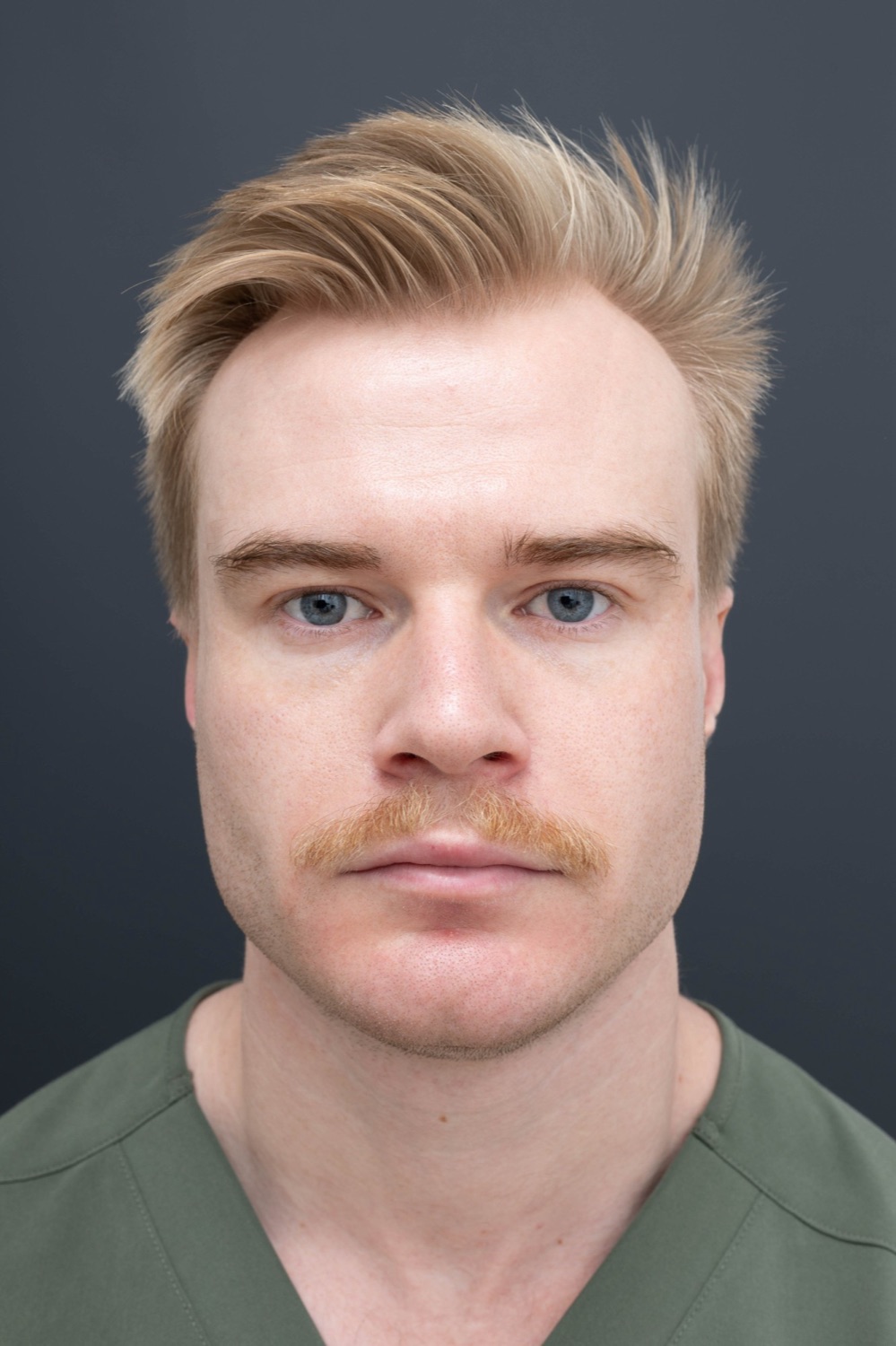
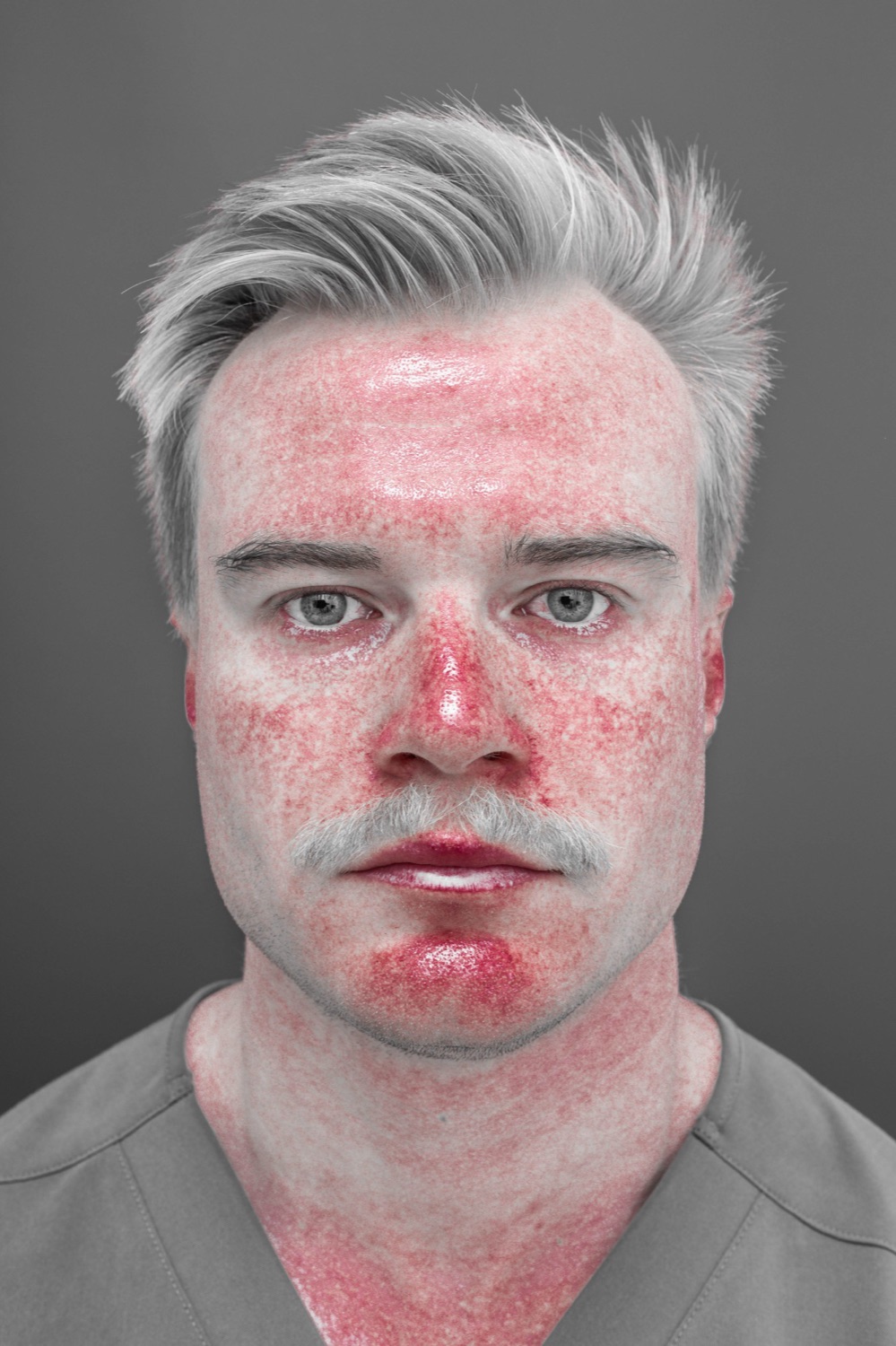
Not all redness shows in the mirror. At your consultation your face is photographed with our clinical imaging system, which filters the light to show the blood vessels and inflammation sitting beneath the surface.
- Where it is. How far the redness spreads, and where it’s densest, so treatment goes where it’s needed.
- What it is. An even flush, single vessels and inflamed areas each show differently, and each is treated differently.
- Whether it’s working. The same images are taken again as you go, and compared side by side.
Results are monitored, not assumed.
See what’s beneath the surface
The treatments
How is facial redness treated?
Two kinds of light do most of the visible work. One is passed over the whole area. The other traces a single vessel. Calm skin comes first, and it’s what makes the result last.
IPL on the Alma Harmony
- Best for: flushing, background redness and the blotchy red of sun damage
- How it works: filtered light is absorbed by the blood in fine vessels. They close, and the body clears them1
- Course: usually three to six sessions, two to three weeks apart
- Skin: fair to olive. Not used on a tan or on deeper skin tones
- Price: from $350 a session, or from $1,000 for a pack of three with LED included at each session
VascuPen vascular laser
- Best for: broken capillaries, cherry spots and spider naevi
- How it works: a fine green laser traces one vessel at a time, without treating the skin beside it
- Course: usually one to three sessions, six to eight weeks apart
- Skin: fair to olive. Leg veins need a different treatment
- Price: at your consultation
Which treatment for which redness?
| Type of redness | IPL | VascuPen | LED | Skincare & prescription |
|---|---|---|---|---|
| Flushing & background redness | First choice | Vessels left behind | Calms | Always |
| Broken capillaries | Redness around them | First choice | Not for vessels | Sun protection |
| Rosacea bumps & pimples | Once it’s settled | Not used | Helps calm | Prescription first |
| Cherry spots & spider naevi | Not used | First choice | Not used | Not needed |
| Red marks after acne | Helps | Not used | Helps | Always |
| Stinging, reactive skin | Once it’s calm | Once it’s calm | First step | Barrier first |
| Deeper skin tones | Not used | Not used | Suitable | Always |
A guide, not a prescription. Rosacea often brings more than one of these, and the plan is made for yours at your consultation.
Rosacea is a long-term inflammatory skin condition, not a cosmetic flaw. Laser and IPL reduce its redness and visible vessels, and an independent review of the trials rates that evidence as low to moderate in certainty.2 Light doesn’t treat the bumps, the pimples or the cause. Those respond to prescription treatment, which a doctor at Cleon can advise on at a consultation.
Sore, gritty or red eyes, and skin that is thickening on the nose, are part of rosacea too. Both need a doctor’s review, not a laser.
Alongside
What else helps redness?
Light clears vessels. These three keep the skin calm enough for the result to hold.
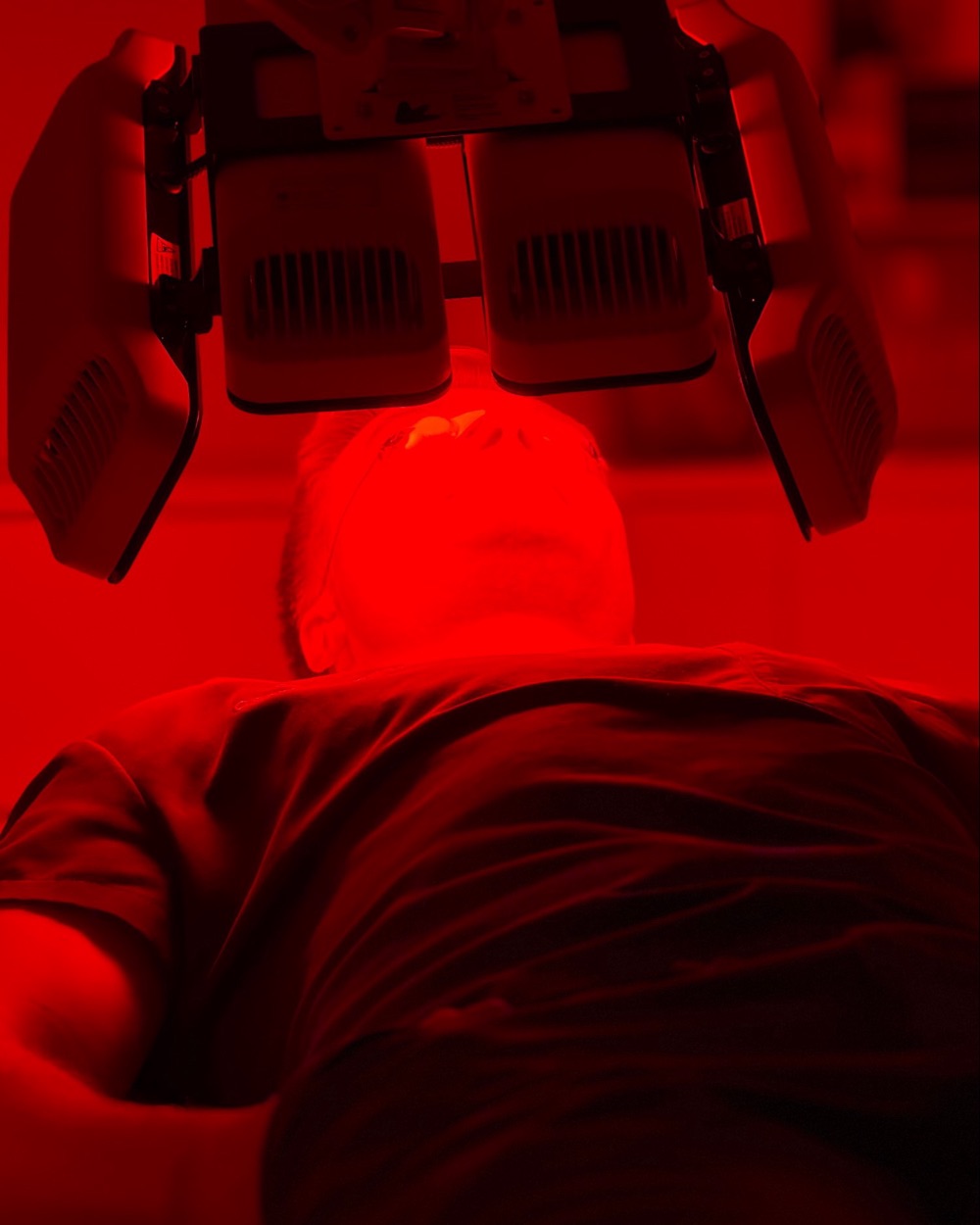
LED light therapy
Red and near-infrared light calm inflammation and settle reactive, flushing skin, with no heat and no downtime. Often the first step, and a help after IPL.

Skincare for reactive skin
A gentle cleanser, a barrier moisturiser, a calming serum and SPF 50+ every day. Fewer products, chosen carefully. Scrubs, strong acids and fragrance usually come out.
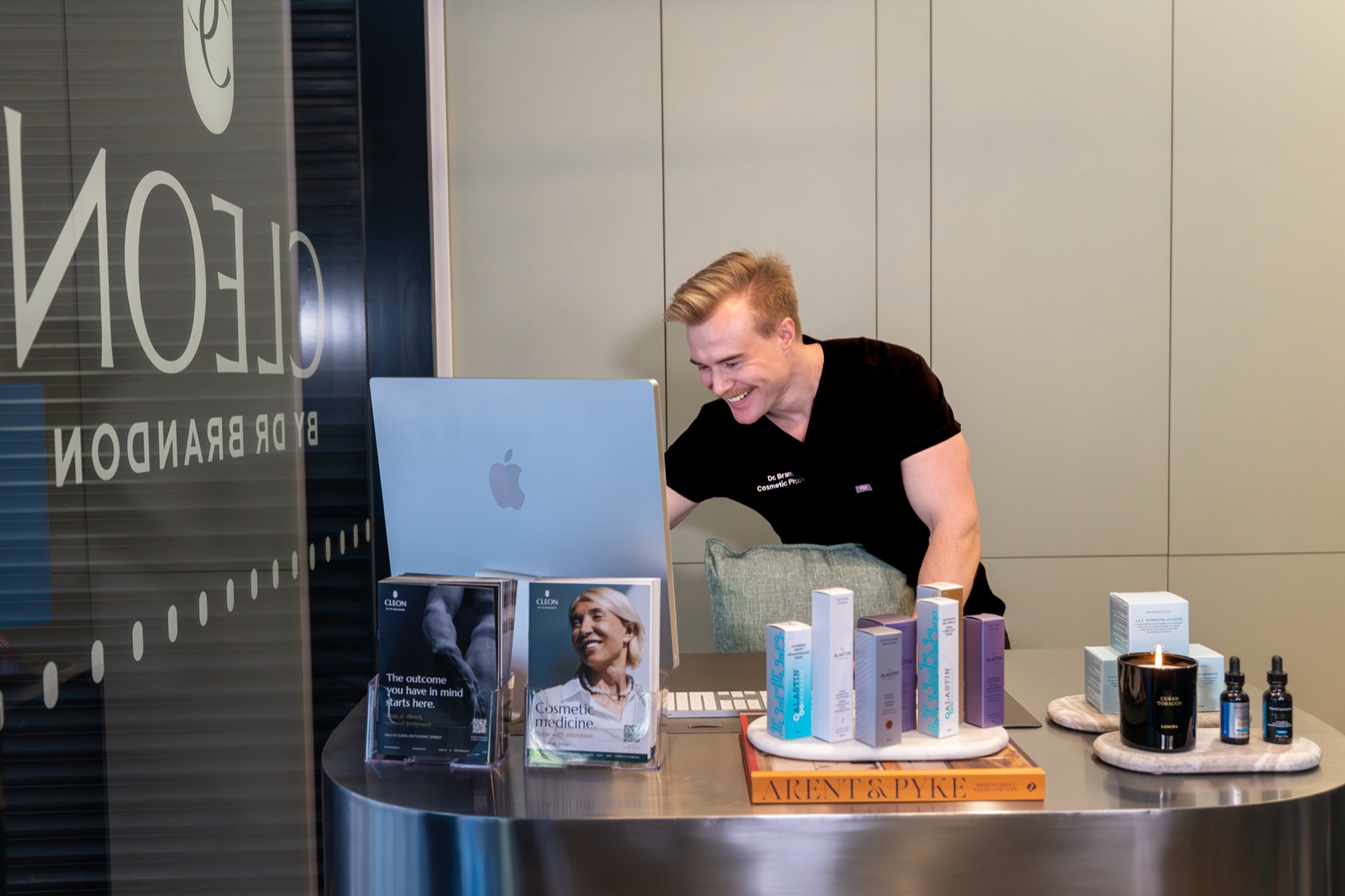
Prescription treatment
For the bumps and pimples of rosacea, and for flushing that skincare can’t settle. Prescribed by a doctor after an assessment, and discussed at your consultation.
Is this right for me?
Am I suited to redness treatment?
This might suit you if
- Your face flushes easily, or stays pink between flushes
- Fine red vessels or small red spots bother you
- You’ve been told you have rosacea, or you wonder whether you do
- You can keep out of the sun around treatment and wear SPF 50+ every day
Worth discussing in consultation first
- Your skin is stinging, burning or flaring now. It needs to settle before any light
- You have bumps or pimples, or sore, gritty eyes. That’s medical, and a doctor sees it first
- You have a tan or deeper skin, or take medicines that make skin sensitive to light
- You’re pregnant or breastfeeding. Light waits, and gentle skincare doesn’t
A doctor-led clinic
Why have redness assessed at a doctor-led clinic?
Redness is easy to treat badly. Heat on skin that’s already inflamed makes it worse, and a vessel laser does nothing for a bump.
- The cause comes first. Vessels, inflammation and a struggling skin barrier are told apart before anything is recommended.
- Medical when it needs to be. Rosacea is a medical condition. A doctor can assess it, and prescribe where that’s the right treatment.
- Calm before light. Flaring skin is settled first, so IPL works on vessels, not on irritation.
- Honest about rosacea. It’s managed, not cured. We’ll tell you what light can change, and what it can’t.
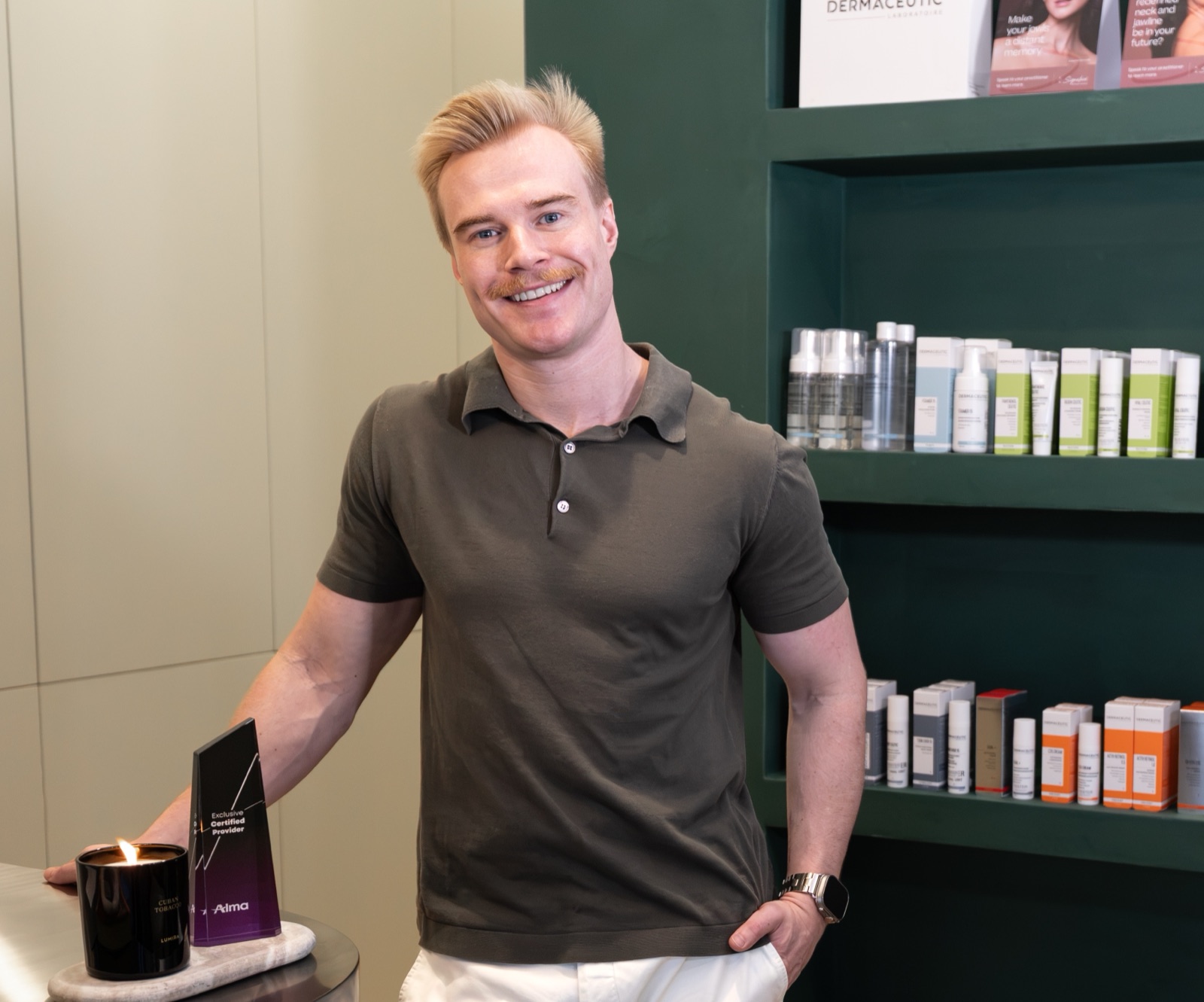
Cleon was founded by Dr Brandon Kober-Brown, a cosmetic doctor. Our clinical team assesses your skin and makes the plan. IPL, the VascuPen and LED are performed by our dermal therapist, and every plan is overseen by a doctor. Results are monitored with clinical imaging, not assumed.
Keeping it calm
What makes facial redness flare?
Light can clear vessels. It can’t remove a trigger. Most people with rosacea have a few, and knowing yours is half the plan.
-
Sun & heat
The biggest two
Sun is the most common trigger, and heat is close behind: hot showers, saunas, a hot kitchen, a hard workout. SPF 50+ every day is treatment, not an extra.
-
Food, drink & stress
Different for everyone
Alcohol, hot drinks, spicy food and stress are the usual ones. Not everyone reacts to all of them. A few weeks of noticing what comes before a flush is worth more than a long list of rules.
-
Skincare & friction
The avoidable ones
Scrubs, strong acids, fragrance and too many products strip a barrier that’s already struggling. So can some medicated creams, used on the face for too long. Simpler is usually calmer.
Pricing
How much does redness and rosacea treatment cost in Sydney?
It depends on what’s behind the redness and the treatment that suits it. A consultation is $100. If treatment is performed on the day, it comes off your treatment. IPL and LED have set prices. The VascuPen is priced at your consultation.
What to expect
How does redness treatment work, step by step?
The first appointment is about finding out what’s behind the redness. The order of treatment follows from that: calm, then clear, then keep.
-
Consultation & assessment
We look at the redness, your skin, your history and what sets it off, and photograph your face with our clinical imaging system. If it looks like rosacea that needs medical treatment, a doctor sees it.
-
Your plan
What to calm, what to clear and in what order, with the number of sessions and the cost. Always with a routine for home.
-
Calm first
Flaring or stinging skin is settled before any light: gentle skincare, LED, and prescription treatment where a doctor recommends it.
-
Treatment
IPL takes 15 to 45 minutes, and single vessels a little less. Eye shields on, a small test area first, and cooling to keep it comfortable.
-
Between sessions
Pinkness or mild swelling for a day or two. IPL sessions are two to three weeks apart, and capillaries six to eight.
-
Keeping it
SPF 50+ every day, your triggers kept in check, and a maintenance session once or twice a year. The imaging is repeated, so the change is measured.
Frequently asked
Redness and rosacea in Sydney: your questions
Anything else, email hello@cleonclinic.com or call 0438 163 638.
What causes facial redness?
Usually blood vessels, inflammation, or both. Widened vessels near the surface cause flushing, a pink background and broken capillaries. Inflammation causes the bumps of rosacea and the red marks acne leaves. Sun damage, a weakened skin barrier and some skincare add to all of it. Working out which is the first step.
What is rosacea?
A long-term skin condition of the central face: flushing, lasting redness, visible vessels, and sometimes bumps and pimples. It usually starts after 30, runs in families and is more common in fair skin. It comes and goes in flares. It can’t be cured, but it can be managed well.
Is it rosacea, or just sensitive skin?
They overlap. Rosacea tends to sit in the centre of the face, flushes with heat, alcohol or stress, and leaves redness or visible vessels behind. Sensitive skin stings and reacts to products, without the lasting redness. Acne has blackheads; rosacea doesn’t. An assessment tells them apart, and if it looks like rosacea that needs medical treatment, a doctor sees you.
What is the best treatment for rosacea?
It depends on which signs you have. Redness and visible vessels respond to IPL and vascular laser.2 Bumps and pimples respond to prescription treatment, which a doctor can advise on. Reactive skin needs a calmer routine and sun protection first. Most people need a combination, and all of it works better when triggers are kept in check.
Can IPL treat rosacea?
IPL can reduce the background redness, the flushing and the visible vessels. It doesn’t treat the bumps or the cause, and it doesn’t cure rosacea. Most people have three to six sessions, then a maintenance session once or twice a year. Skin that’s flaring is settled first. More on IPL at Cleon.
Can rosacea be cured?
No. It’s a long-term condition that comes and goes. The redness and vessels can be cleared, the bumps controlled and the flares made fewer, often for long stretches. That takes the right treatment, sun protection and some attention to triggers.
Can broken capillaries on the face be removed?
Most fine red vessels on the nose, cheeks and chin can be treated. The VascuPen’s green laser traces small vessels one by one, and IPL treats the wider redness around them. One to three sessions is common. New vessels can form over time, especially with sun, alcohol and rosacea.
Do broken capillaries go away on their own?
No. Once a vessel has widened and stayed that way, it doesn’t shrink back. Skincare can calm the redness around it, but it can’t close the vessel. Light or laser can.
Can red spots (cherry angiomas) be removed?
Usually, yes. Cherry spots are small, bright red clusters of blood vessels that become more common with age. They’re harmless, and the green laser treats them one at a time, usually over one to three sessions. Anything that has changed, bled or looks unusual is seen by a doctor first.
Does skincare help redness?
Yes, more than most people expect. A gentle cleanser, a barrier moisturiser and SPF 50+ every day do most of the work. A calming product such as Redness Neutraliser can help. Scrubs, strong acids and fragrance usually come out. Fewer products is nearly always calmer.
Do you prescribe treatment for rosacea?
Where a doctor recommends it, yes. Prescription treatment is the mainstay for the bumps and pimples of rosacea, and it can help flushing too. Australian law doesn’t allow prescription-only medicines to be advertised, so the options are discussed at your consultation.
Does LED light therapy help redness?
It can calm it. Red and near-infrared light settle inflammation without heat, so LED suits reactive and flushing skin, and it helps skin recover after IPL. It won’t close a visible vessel. More on LED light therapy.
What triggers rosacea?
Sun and heat are the most common. Alcohol, hot drinks, spicy food, stress, hard exercise and some skincare are the others. Triggers differ from person to person, so it’s worth noticing what comes before a flush.
How do you see redness beneath the skin?
With a clinical imaging system. It photographs your face through filters that show the blood vessels and inflammation sitting beneath the surface, much of which the eye can’t see. It shows where the redness is, how far it spreads and what kind it is, before anything is treated.
How will I know the treatment is working?
We don’t rely on the mirror. The same clinical images taken at your consultation are taken again as you go, and compared side by side. Results are monitored, not assumed.
Will IPL make my redness worse?
It can, if the skin is flaring or the settings are wrong. That’s why reactive skin is calmed first, a small area is tested, and the settings are chosen for your skin. Done that way, most people have a day or two of pinkness and nothing more.
How many sessions will I need?
Background redness usually takes three to six IPL sessions, two to three weeks apart. Broken capillaries and red spots usually take one to three sessions with the VascuPen, six to eight weeks apart. Rosacea needs maintenance, usually once or twice a year. Your plan is made at your consultation.
Is there downtime?
Little. Pinkness or mild swelling for a day or two after IPL. Treated vessels can look darker for a few days. LED has none. Most people go straight back to work.
Can I treat redness in summer?
Yes, if your skin isn’t tanned, but it takes more care. Sun and heat are triggers, and tanned skin can’t have IPL. Many people treat from autumn to spring and protect the result through summer.
Is redness treatment safe for darker skin tones?
IPL and the VascuPen suit fair to olive skin. They aren’t used on deeper skin tones, where the risk of burns and patchy pigment is higher. LED, skincare and prescription treatment suit every skin tone.
Can redness be treated in pregnancy?
Light treatments wait until after pregnancy and breastfeeding. Gentle skincare and sun protection carry on, and we plan the rest for afterwards.
What about red marks left by acne?
Flat red or purple marks after a breakout are small, widened vessels, so IPL can fade them, and LED helps the skin settle. Brown marks are pigment, and they’re treated differently. See pigmentation.
My eyes are sore and red too. Is that related?
It can be. Rosacea affects the eyes in some people: dryness, grittiness and redness. Mention it at your consultation, and see your GP or optometrist. It’s treatable, and it shouldn’t be left.
Can men have redness treatment?
Yes. Redness, broken capillaries on the nose and cheeks, and rosacea are common reasons men come in. Men’s treatments are also offered through Male by Cleon.
How much does redness treatment cost in Sydney?
A consultation is $100, and if treatment is performed on the day, it comes off your treatment. IPL is $350 a session for the face, $500 for the face and neck, or $850 for the face, neck and décolletage, with packs of three from $1,000 that include LED light therapy at each session. LED on its own is $120 a session, $999 for a course of twelve, or $60 when it’s added to another treatment on the same day. The VascuPen is priced at your consultation, because it depends on how many vessels and spots there are to treat. There’s no Medicare rebate for cosmetic treatment. See our pricing.
Is there a rosacea clinic near me in Sydney?
Cleon by Dr Brandon is at Ground 02, 46a Macleay Street, Potts Point, a short walk from Kings Cross station. It’s close to Elizabeth Bay, Rushcutters Bay, Darlinghurst, Woolloomooloo and the CBD, and easy to reach from the Eastern Suburbs.
Who will I see?
Our clinical team assesses your skin and makes the plan. IPL, the VascuPen and LED are performed by our dermal therapist. If your redness looks like rosacea that needs medical treatment, a doctor sees you. Cleon is a doctor-led clinic, and every plan is overseen by a doctor.
Book a consultation
Calm first. Then clear.
Face to face at our Potts Point clinic, a short walk from Kings Cross station. We’ll tell you what’s behind the redness, what will help and what won’t. No treatment agenda.
The evidence
References
Independent reviews behind the clinical claims on this page. Last reviewed November 2026.
- 1Babilas P, Schreml S, Szeimies RM, Landthaler M. Intense pulsed light (IPL): a review. Lasers Surg Med. 2010;42(2):93–104. doi:10.1002/lsm.20877
- 2van Zuuren EJ, Fedorowicz Z, Tan J, van der Linden MMD, Arents BWM, Carter B, Charland L. Interventions for rosacea based on the phenotype approach: an updated systematic review including GRADE assessments. Br J Dermatol. 2019;181(1):65–79. doi:10.1111/bjd.17590
Alma, Alma Harmony and VascuPen are trademarks of Alma Lasers. Dermalux and Tri-Wave are trademarks of their owner. SkinCeuticals is a trademark of its owner.
