

For women and men · Potts Point
Pigmentation Treatment in Sydney
Not all brown is the same. The type decides the treatment.
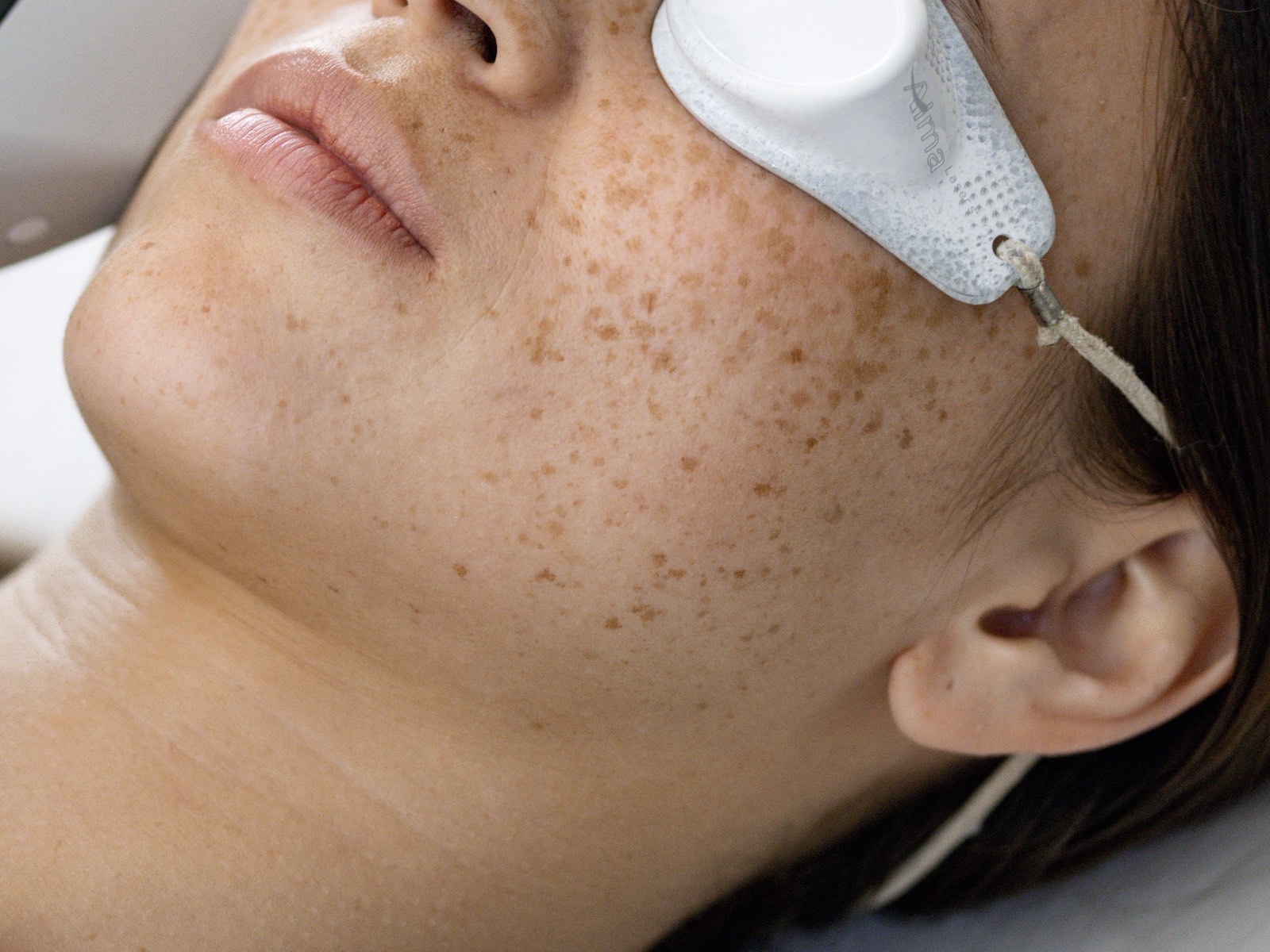
Sun spots, freckles, melasma and the marks a breakout leaves behind can look alike, and they behave very differently. Treat melasma like a sun spot and it can come back darker. So at Cleon, a doctor-led clinic in Potts Point, the pigment is assessed first: what it is, how deep it sits, and what your skin will tolerate. Then the tool is chosen. IPL for sun spots and freckling, the Pigment Balancing Peel for melasma and patchy tone, CO2 laser resurfacing for deep sun damage, and prescribed skincare under all of them. Not run from a menu.
- First step
- A skin check
- IPL course
- 3–6 sessions
- Peel course
- 3–6 peels
- Downtime
- Little to none
- Consultation
- $100
The types
What kind of pigmentation do I have?
Four kinds cover most of what we see. They overlap, and more than one often sits on the same face, which is why the assessment comes before the plan.
Pigmentation is melanin, the skin’s own pigment, made unevenly. The common types are sun spots and freckles, the blotchy tone of sun damage, melasma, and the post-inflammatory marks left by acne or irritation. Each behaves differently, so each is treated differently. At Cleon, a doctor-led clinic in Potts Point, Sydney, sun spots, freckling and sun damage are treated with IPL on the Alma Harmony. Deep, rough sun damage is treated with Hybrid Lift, our CO2 laser resurfacing. Melasma and patchy pigment are treated with the Pigment Balancing Peel and prescribed skincare, never with heat. Marks after acne are treated with gentler peels and skincare. Before treatment, pigment is photographed with a clinical imaging system, on the surface and up to 2 mm beneath it, and again afterwards, so results are measured. Daily SPF 50+ is part of every plan, because sun brings pigment back. Every spot is checked before it’s treated, and a consultation is $100.
-
Sun spots & freckles
Near the surface
Flat, well-defined brown spots on the face, chest, shoulders and hands, from years of sun. The pigment sits near the surface, which is why light can reach it. Freckles fade in winter. Sun spots stay all year.
-
Sun damage & blotchy tone
Brown and red together
Mottled brown, a ruddy cast and fine vessels showing through, often on the cheeks, the sides of the neck and the chest. Less a spot than a pattern. The brown and the red are usually treated together. Where the damage runs deep, the skin turns rough as well.
-
Melasma
Hormones, heat and light
Soft-edged patches, usually matching on both sides: cheeks, forehead, upper lip. Driven by hormones, heat and light, and common in pregnancy. It can be improved, not cured, and it comes back if it’s provoked.
-
Marks after acne or irritation
After inflammation
Flat brown marks left where the skin was inflamed: a breakout, a burn, a rash, sometimes a treatment that was too strong. More common, and slower to fade, in deeper skin tones. The cause has to settle first.
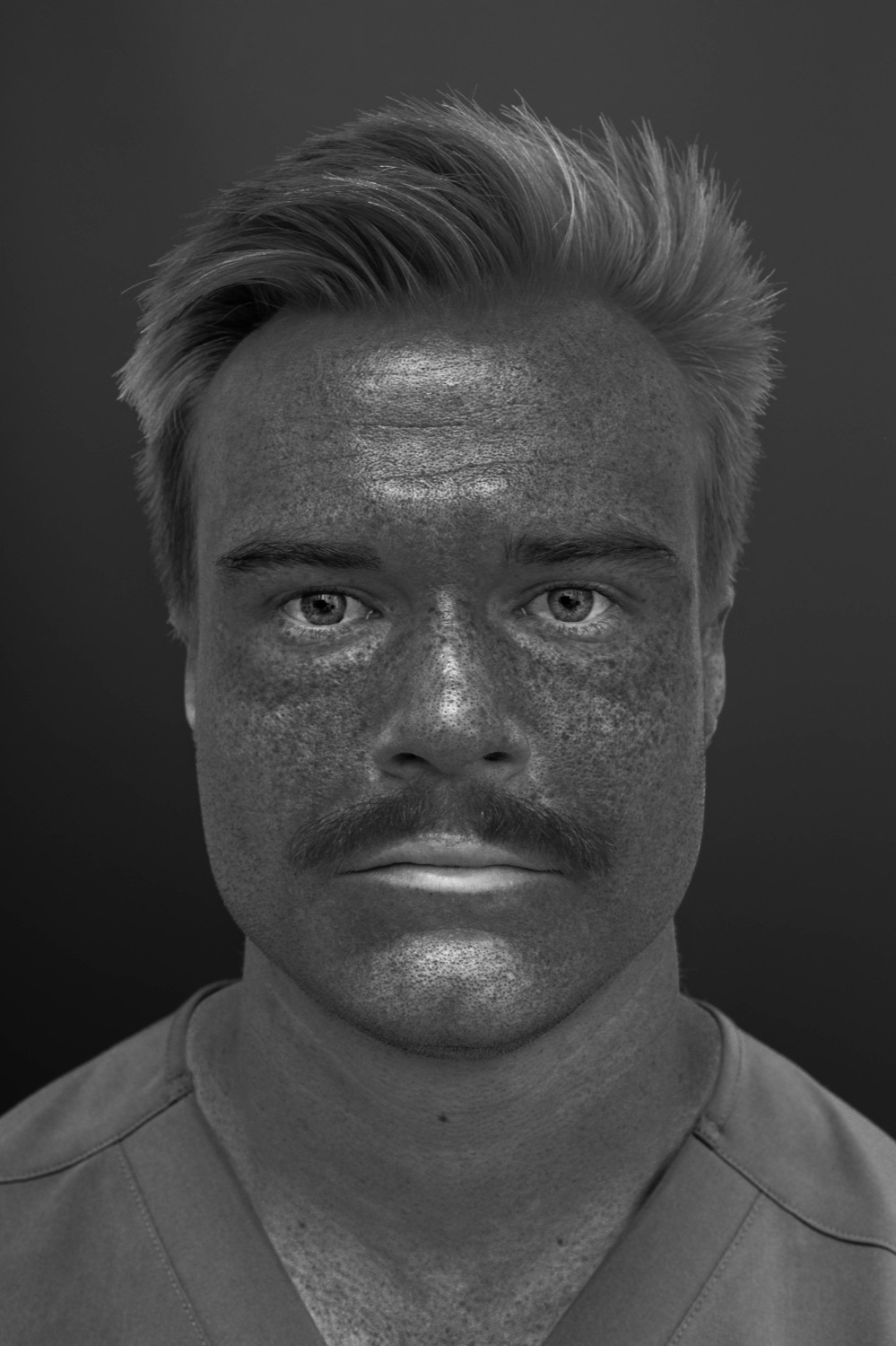
Clinical imaging
How do we see sun damage beneath the skin?
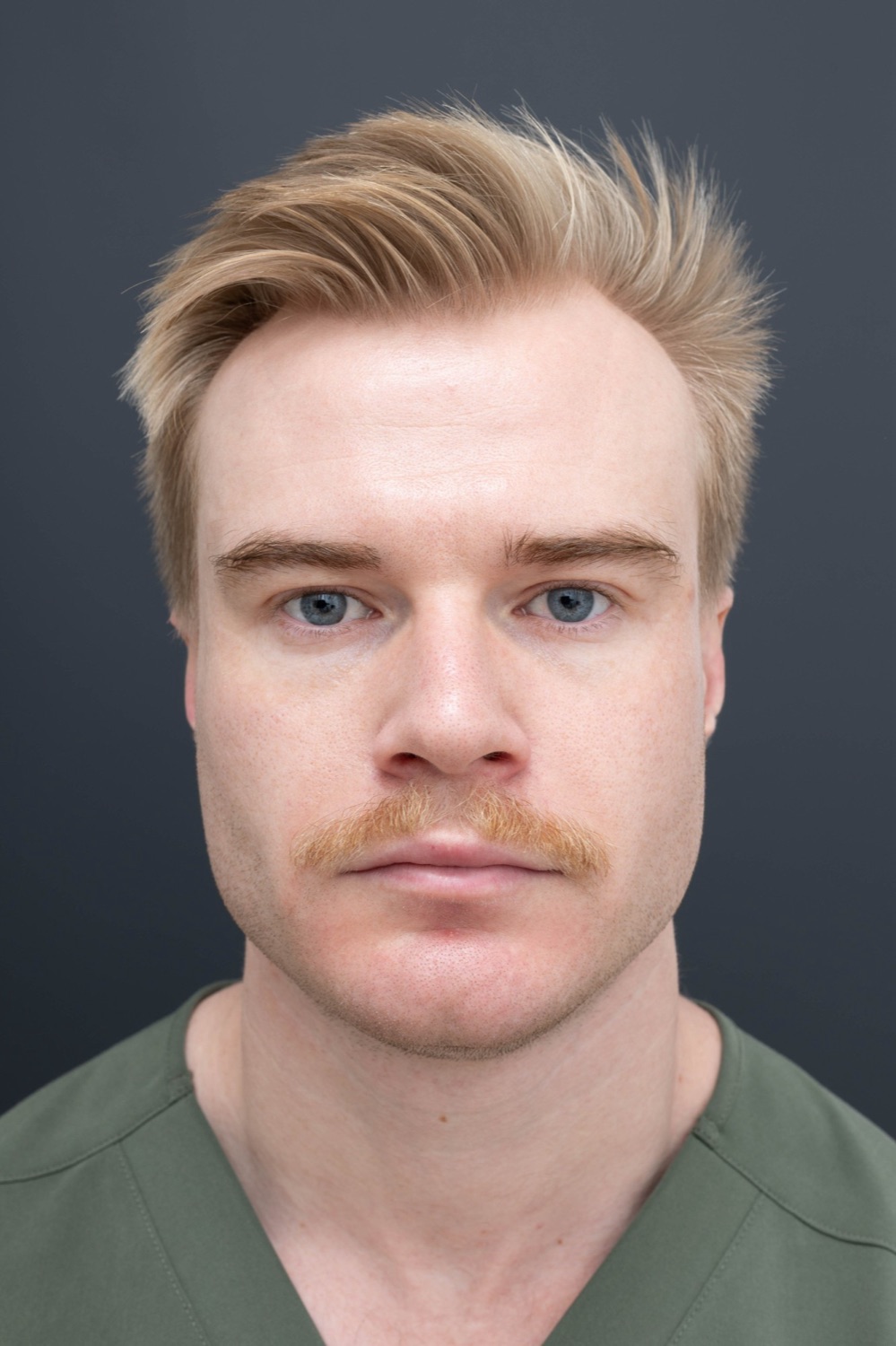
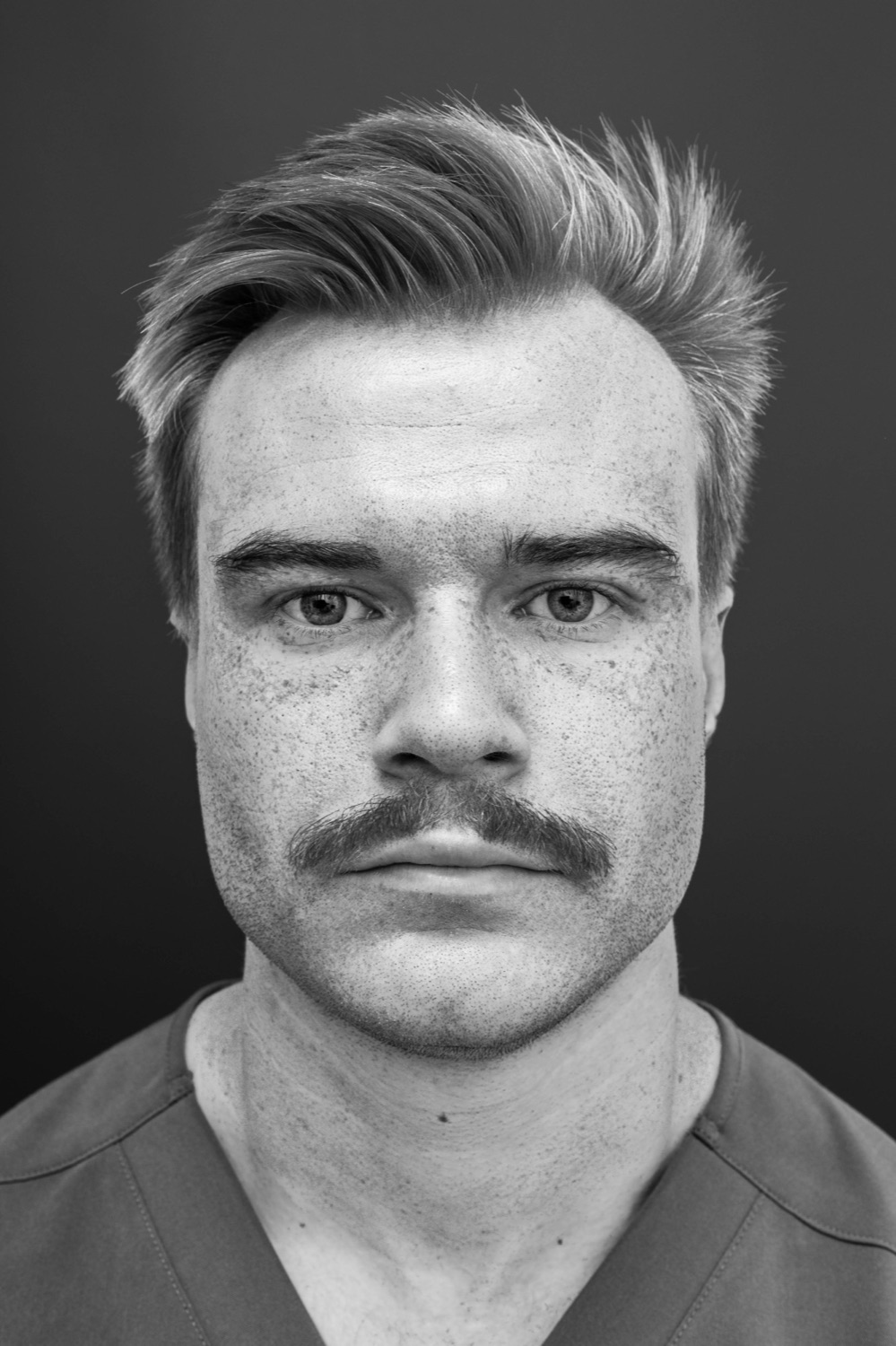
Most sun damage sits out of sight for years before it surfaces. At your consultation your face is photographed with our clinical imaging system, which filters the light to show pigment at two depths.
- On the surface. Sun damage in the top layers of the skin: the spots and freckling you can half see, mapped clearly.
- Deeper down. Pigment sitting up to 2 mm beneath the surface, much of it not yet showing in the mirror.
- Over time. The same images are taken again as you go, and compared side by side.
Results are monitored, not assumed.
See what’s beneath the surface
The treatments
How is pigmentation treated?
Two treatments do most of the work, and they suit different pigment. One is light. The other is a peel. Skincare and sun protection sit under both.
IPL on the Alma Harmony
- Best for: sun spots, freckling and the brown and red of sun damage
- How it works: filtered light is absorbed by the pigment. Spots darken, then flake away over about a week1
- Course: usually three to six sessions, two to three weeks apart
- Skin: fair to olive. Not used on deeper skin tones, a tan or melasma
- Price: from $350 a session, or from $1,000 for a pack of three with LED included at each session
Pigment Balancing Peel
- Best for: melasma, patchy pigment and dull, sun-damaged tone
- How it works: glycolic and citric acids with vitamin C lift pigmented surface cells, with no heat
- Course: usually three to six peels, four to six weeks apart
- Skin: fair to olive. Gentler peels suit every skin tone
- Price: $400 a peel, $1,080 for three or $1,900 for six
Which treatment for which pigment?
| Type of pigment | IPL | Pigment peel | PixelPeel | Hybrid Lift |
|---|---|---|---|---|
| Sun spots & freckles | First choice | Helps | Mild spots | Deeper damage only |
| Blotchy, uneven tone | First choice | Helps | Tone and texture | Deeper damage only |
| Deep, rough sun damage | The colour only | The surface only | A lighter option | First choice |
| Melasma | Not used | First choice | Usually avoided | Not used |
| Marks after acne | Red marks only | Gentler peels | Not first line | Scars, not marks |
| Deeper skin tones | Not used | Gentler peels | Assessed first | Assessed first |
A guide, not a prescription. Skincare and SPF 50+ sit under every row. Many faces carry more than one type, and the plan is made for yours at your consultation.
Years of sun leave more than colour. The surface thickens and roughens, and scaly patches called actinic keratoses can form. Those are sun-damaged cells, and they’re pre-cancerous. CO2 laser resurfacing removes the damaged surface layers, so new skin can form in their place.2 In a randomised trial, full CO2 resurfacing reduced these patches by more than 80%.3
At Cleon, CO2 resurfacing is Hybrid Lift on the Alma Hybrid laser, performed by our clinical team under Dr Brandon’s supervision, or by Dr Brandon himself. It’s a fractional treatment: it resurfaces a fine grid of the skin at each session, so it does less in one treatment than the full resurfacing used in that trial, with a shorter recovery.2 It isn’t a skin check. Any patch that’s rough, changing or sore is seen by a doctor first, and some need medical treatment instead.
Alongside
What else helps pigmentation?
IPL and the pigment peel rarely work alone. These three are where most plans get their staying power.

PixelPeel
Light fractional CO2 resurfacing. It refreshes tone and texture and lifts mild surface pigment, with a few days of flaking. Melasma and deeper skin tones are assessed carefully first.
Gentler peels
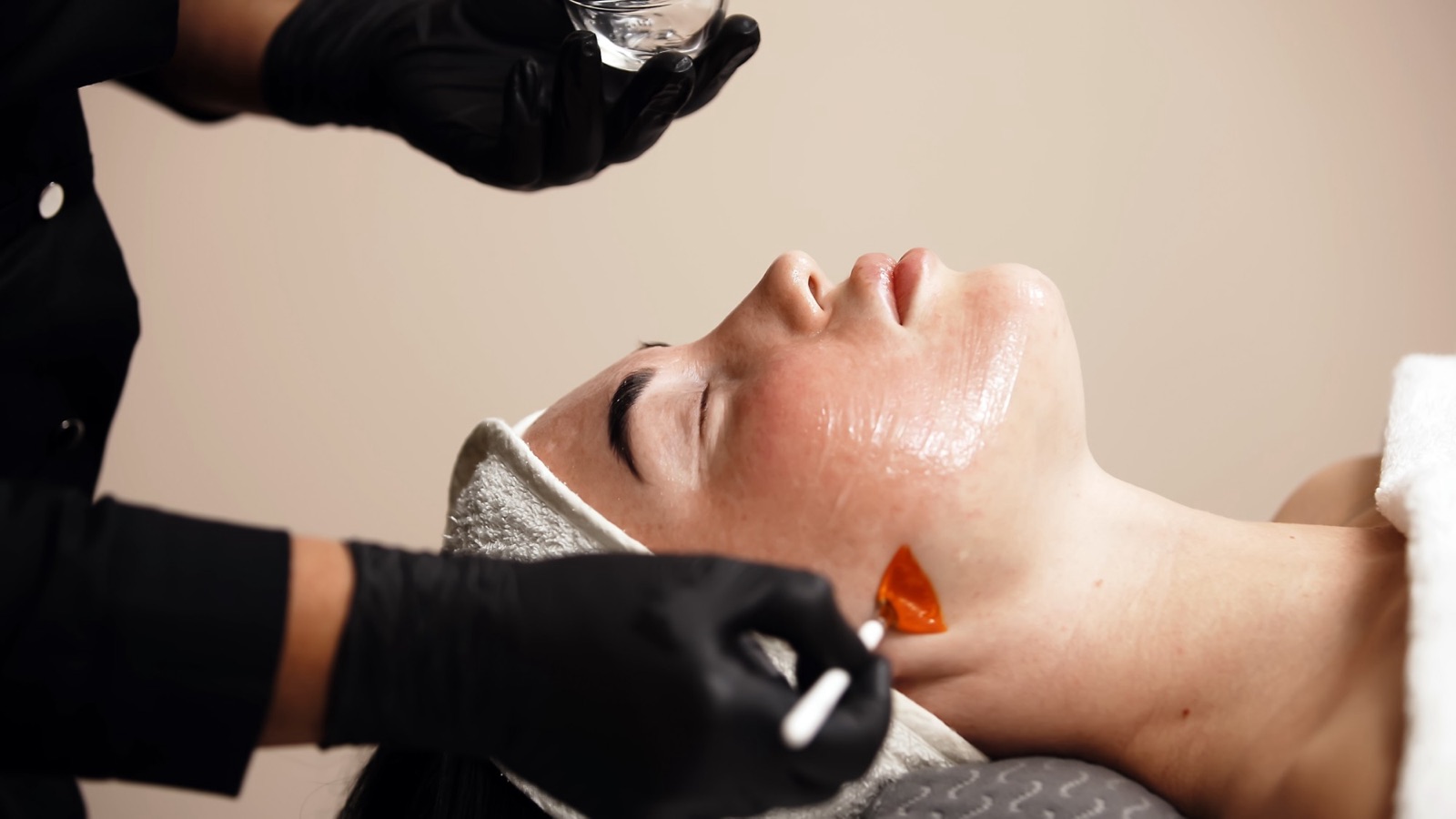
Lactic, glycolic and salicylic peels for sensitive skin, deeper skin tones and the marks acne leaves. Often the first step, before anything stronger.

Prescribed skincare
A pigment-correcting serum, vitamin C and SPF 50+ every day, with a retinol where your skin tolerates it. For melasma, prescription treatment is added where a doctor recommends it.
Is this right for me?
Am I suited to pigmentation treatment?
This might suit you if
- Brown spots, patches or uneven tone bother you in the mirror and in photos
- You’d like to know what the pigment is before you spend money on it
- Brightening skincare has helped a little, and not enough
- You can plan a course of treatments and wear SPF 50+ every day
Worth discussing in consultation first
- A spot is new, changing, darker than the others or has bled. It needs a skin check with a doctor first
- You’re pregnant or breastfeeding. Most treatment waits, and we’ll plan for afterwards
- Your skin is deeper in tone, or marks easily after a pimple or a scratch. Some treatments are avoided and others adjusted
- You have a tan, take medicines that make skin sensitive to light, or have taken isotretinoin (Roaccutane) recently
A doctor-led clinic
Why have pigmentation assessed at a doctor-led clinic?
Most pigmentation treatments work on something. The skill is knowing what you’re looking at, and what to leave alone.
- The type comes first. Sun spots, melasma and post-inflammatory marks are told apart before anything is recommended.
- Every spot is checked. A brown spot isn’t always a sun spot. Anything uncertain is seen by a doctor, or referred for a skin check, before it’s treated.
- More than one tool. Light, peels, resurfacing and prescribed skincare are all here, so the plan isn’t bent to fit one machine.
- Honest about melasma. It can be improved, not cured. We’ll tell you what to expect, and what will bring it back.
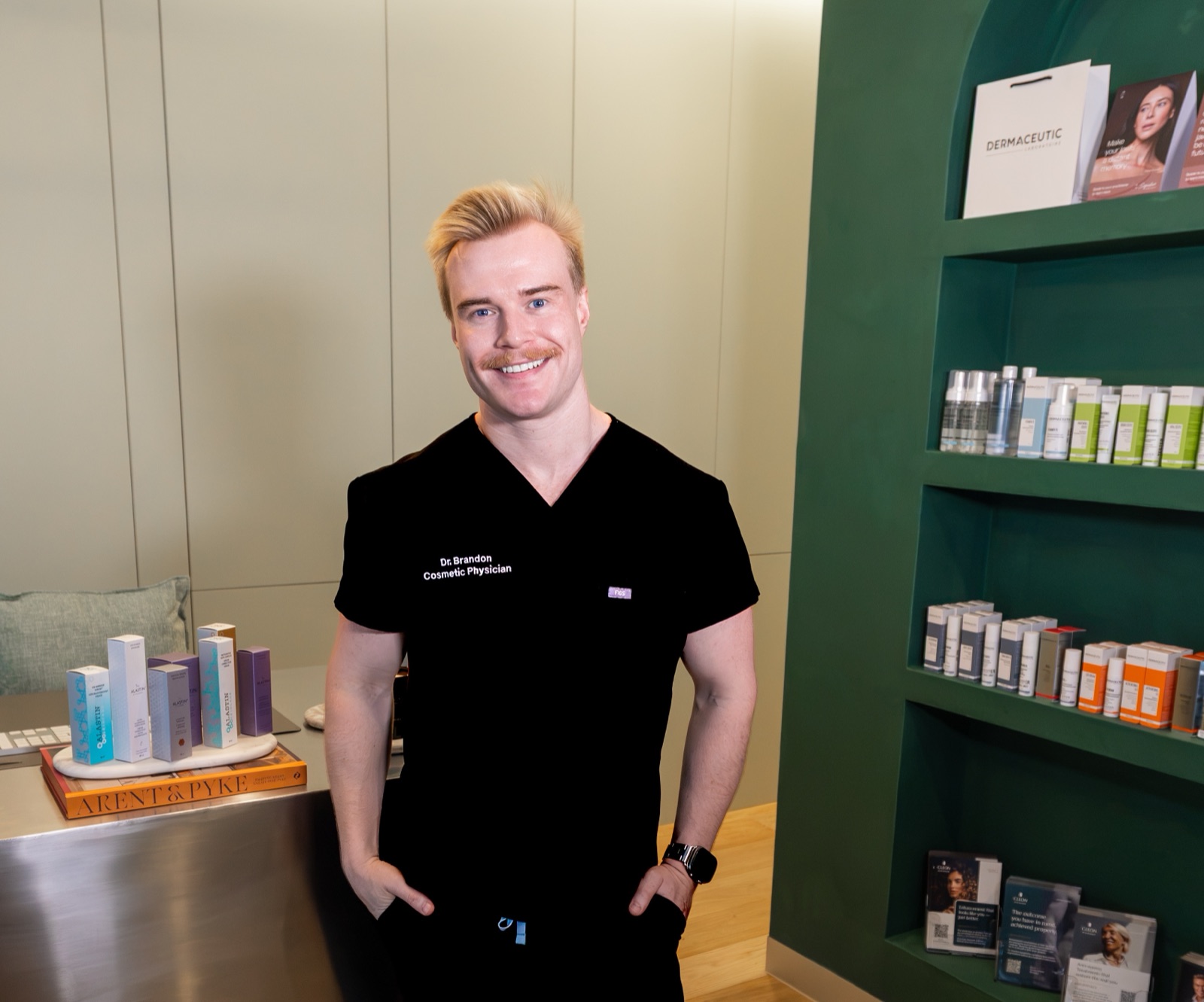
Cleon was founded by Dr Brandon Kober-Brown, a cosmetic doctor. Our clinical team assesses your skin and makes the plan. IPL and peels are performed by our dermal therapist, and Hybrid Lift by our clinical team under Dr Brandon’s supervision, or by Dr Brandon himself. Every plan is overseen by a doctor. Results are monitored with clinical imaging, not assumed.
Keeping it away
Why does pigmentation come back?
Because whatever made it is usually still there. Treatment clears what’s in the skin today. Keeping it clear is mostly sun protection.
-
The sun
Every type
Sunlight switches pigment cells on. A sun spot that has cleared usually stays cleared, but the sun makes new ones. SPF 50+ every day, put on again when you’re outdoors, is the part of the plan that makes the rest last.
-
Hormones & heat
Melasma
Melasma answers to hormones and heat as well as light: pregnancy, a hot summer, a hot kitchen. It can return after a good result, which is why it’s managed over time rather than treated once.
-
Inflammation
Marks after acne
Anything that inflames the skin can leave a mark behind: a breakout, picking, a product or treatment that’s too strong. Calming the cause comes before treating the mark.
Pricing
How much does pigmentation treatment cost in Sydney?
It depends on the type of pigment and the treatment that suits it. A consultation is $100. If treatment is performed on the day, it comes off your treatment. IPL, peels and PixelPeel have set prices. Hybrid Lift is priced at your consultation.
What to expect
How does pigmentation treatment work, step by step?
The first appointment is about finding out what the pigment is. Treatment follows from that, and so does the plan for keeping it away.
-
Consultation & skin check
We look at the pigment, your skin type, your history and what you’ve tried, and photograph your face with our clinical imaging system. Every spot is checked, and anything uncertain is seen by a doctor first.
-
Your plan
Which treatment, in what order, how many sessions and what it costs. Often a combination, and always with a routine for home.
-
Preparing the skin
Usually two weeks of skincare and strict sun protection first, and no tan. Prepared skin responds better and marks less.
-
Treatment
IPL takes 15 to 45 minutes. A peel takes about an hour, start to finish. Both are performed by our dermal therapist.
-
Between sessions
IPL sessions are two to three weeks apart, peels four to six. Spots darken and flake after IPL. Light flaking can follow a peel.
-
Keeping it
SPF 50+ every day, the home routine, and a maintenance treatment now and then. The imaging is repeated, so the change is measured.
Frequently asked
Pigmentation treatment in Sydney: your questions
Anything else, email hello@cleonclinic.com or call 0438 163 638.
What causes pigmentation?
Pigmentation is melanin, the skin’s own pigment, made unevenly. Sun is the most common cause. Hormones drive melasma. Inflammation, from acne, a burn or an irritated skin barrier, leaves post-inflammatory marks. Your genes and your skin type decide how easily all three happen.
Is pigmentation the same as hyperpigmentation, dark spots and age spots?
The names overlap. Hyperpigmentation is the medical word for any patch of skin darker than the skin around it. Dark spots, age spots, liver spots and sun spots usually mean the same thing: flat brown spots from the sun. Melasma and the marks acne leaves are types of hyperpigmentation too.
What is the difference between sun spots, freckles and melasma?
Freckles are small, appear in childhood and fade in winter. Sun spots are larger, well-defined, flat brown spots that arrive with years of sun and stay all year. Melasma is a soft-edged patch, usually matching on both cheeks, the forehead or the upper lip, driven by hormones, heat and light. They’re treated differently, which is why the type is worked out first.
What is the best treatment for pigmentation?
It depends on the type. Sun spots and freckling on fair to olive skin usually respond well to IPL. Melasma is treated without heat, with the Pigment Balancing Peel and prescribed skincare. Marks left by acne usually fade with gentler peels and skincare, once the breakouts are under control. Deep, rough sun damage is a job for CO2 laser resurfacing. Whatever the type, daily SPF 50+ is part of the plan.
IPL or a chemical peel for pigmentation?
They work differently, and the pigment decides. Light targets the pigment itself, so distinct sun spots and freckles usually respond well to IPL. A chemical peel renews the surface without heat, so it suits melasma, patchy pigment and deeper skin tones. Many plans use both, in an order chosen for your skin.
Does IPL remove sun spots and freckles?
On fair to olive skin, usually yes. The light is absorbed by the pigment, the spots darken for a day or two, then flake away over about a week. Most people need three to six sessions, two to three weeks apart. Sun brings new spots, so SPF 50+ keeps the result. More on IPL at Cleon.
Can laser resurfacing treat deep sun damage?
Yes. When sun damage is more than colour, with rough texture, deep freckling and scaly patches, CO2 laser resurfacing removes the damaged surface layers so new skin can form.2 At Cleon that’s Hybrid Lift on the Alma Hybrid laser, with about 5 to 14 days of recovery. IPL treats the colour. Hybrid Lift treats the skin itself.
Can CO2 laser remove pre-cancerous sun damage?
It has been studied for it. Actinic keratoses are the rough, scaly, pre-cancerous patches that come with years of sun. In a randomised trial, full CO2 resurfacing reduced them by more than 80%.3 Reviews find full resurfacing more effective for these patches than fractional treatments such as Hybrid Lift, which resurface part of the skin at each session.2 So Hybrid Lift is a treatment for sun-damaged skin, not a substitute for a skin check. Any patch that’s rough, changing or sore is seen by a doctor first, and some need medical treatment instead.
What is the Pigment Balancing Peel?
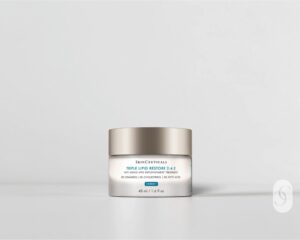
A SkinCeuticals professional peel made for pigmentation: glycolic and citric acids with vitamin C and emblica, mixed in clinic just before it goes on. It’s the strongest peel on our menu, and still a superficial one. It suits fair to olive skin, and it’s usually done as a course of three to six, four to six weeks apart. More on chemical peels.
Can melasma be treated?
It can be improved, often a lot, but it isn’t cured. Melasma is driven by hormones, heat and light, and it tends to return. Laser and light can lighten it, but recurrence is common and they can also make it darker.4 So at Cleon it’s treated without heat: the Pigment Balancing Peel, prescribed skincare and strict sun protection. Honest expectations matter here more than anywhere.
Why did my melasma get worse after laser or IPL?
Because melasma responds to heat as well as light. A treatment that heats the skin can switch the pigment cells on harder, and the patch comes back darker, sometimes weeks later. It’s one reason we work out the type of pigment first, and why we don’t use IPL on melasma.
Can pigmentation be removed permanently?
Some can. A sun spot that has cleared usually stays cleared, though the sun will make new ones. Melasma can be improved but not cured, and it returns if it’s provoked. Marks after acne usually fade for good once their cause is settled. In every case the result lasts as long as the sun protection does.
How do I get rid of dark marks after acne?
First, settle the breakouts, or new marks keep arriving. Then the marks: gentler peels and prescribed skincare fade brown marks over a few months, and sun protection stops them darkening. Red marks are different: they’re vessels, not pigment, and IPL can help those. See redness and rosacea. Picking makes all of it worse.
Is pigmentation treatment safe for darker skin tones?
Yes, with the right choice of treatment. Deeper skin tones mark more easily after heat or irritation, so IPL and the stronger peels aren’t used. Gentler peels, prescribed skincare and sun protection are, and the results build steadily. Your skin type is assessed before any plan is made.
Can pigmentation be treated in pregnancy?
Mostly, we wait. Melasma often appears in pregnancy, and often fades over the months after the birth. IPL and most peels aren’t used while you’re pregnant or breastfeeding. Sun protection makes a real difference in the meantime, and we can plan the rest for afterwards.
What about pigmentation on the chest and hands?
It’s usually the same sun damage as on the face, and it responds to the same IPL. The chest and the backs of the hands show sun damage early. They’re treated carefully, because the skin there is thinner and slower to heal.
How do you see sun damage beneath the skin?
With a clinical imaging system. It photographs your face through filters that show pigment at two depths: sun damage in the top layers of the skin, and pigment up to 2 mm beneath the surface that isn’t yet showing in the mirror. It shows how much damage there is, and where, before anything is treated.
How will I know the treatment is working?
We don’t rely on the mirror. The same clinical images taken at your consultation are taken again as you go, and compared side by side. Results are monitored, not assumed.
How many treatments will I need?
IPL is usually three to six sessions, two to three weeks apart. Peels are usually a course of three to six, four to six weeks apart. Melasma is managed over the long term rather than finished. Your plan, and the number of sessions, are made at your consultation.
How long until I see a difference?
After IPL, spots darken within a day or two and flake away over about a week. Peels brighten skin within days, and pigment lifts gradually over the course. Skincare takes two to three months to show. Melasma is the slowest, and the one that most needs patience.
Is there downtime?
Little. After IPL, skin is pink for a few hours and treated spots look darker for about a week before they flake off. After a peel, mild flaking can follow for a few days. PixelPeel has a day or two of redness and a few days of light flaking. Hybrid Lift is the exception, with about 5 to 14 days of recovery. After IPL or a peel, most people go straight back to work.
Which skincare helps pigmentation?
The basics do most of the work: a broad-spectrum SPF 50+ every day, a vitamin C serum in the morning, and a pigment-correcting serum such as Discoloration Defense. A retinol at night helps where your skin tolerates it. We’ll tell you what your skin needs, and what it doesn’t. Read more on vitamin C and sunscreen.
Do you prescribe creams for pigmentation?
Where a doctor recommends it, prescription treatment can be part of a plan, particularly for melasma. Australian law doesn’t allow prescription-only medicines to be advertised, so the options are discussed at your consultation.
Does sunscreen really make a difference?
More than anything else on this page. Sun switches pigment cells on, so without daily SPF 50+ a cleared spot is replaced and melasma returns. Broad-spectrum sunscreen, a hat and shade are part of every plan. A tinted sunscreen also blocks some visible light, which can matter in melasma.
Why does every spot need checking first?
Because a brown spot isn’t always a sun spot. Light or a peel can fade the colour of a skin cancer without removing it, which hides it rather than treats it. Every spot is assessed before treatment, and anything new, changing or uncertain is seen by a doctor or referred for a skin check first.
Can men have pigmentation treatment?
Yes. Sun damage on the face, neck and hands is one of the most common reasons men come in. Men’s treatments are also offered through Male by Cleon.
How much does pigmentation treatment cost in Sydney?
A consultation is $100, and if treatment is performed on the day, it comes off your treatment. IPL is $350 a session for the face, $500 for the face and neck, or $850 for the face, neck and décolletage, with packs of three from $1,000 that include LED light therapy at each session. The Pigment Balancing Peel is $400, $1,080 for a pack of three or $1,900 for a course of six. PixelPeel is $800 for the face, or $999 for the face and neck. Hybrid Lift is priced at your consultation, because it depends on the area and the number of treatments. There’s no Medicare rebate. See our pricing.
Is there a pigmentation clinic near me in Sydney?
Cleon by Dr Brandon is at Ground 02, 46a Macleay Street, Potts Point, a short walk from Kings Cross station. It’s close to Elizabeth Bay, Rushcutters Bay, Darlinghurst, Woolloomooloo and the CBD, and easy to reach from the Eastern Suburbs.
Who will I see?
Our clinical team assesses your skin and makes the plan. IPL and peels are performed by our dermal therapist, and Hybrid Lift by our clinical team under Dr Brandon’s supervision, or by Dr Brandon himself. Cleon is a doctor-led clinic: every plan is overseen by a doctor, and any spot that looks uncertain is seen by a doctor before it’s treated.
Book a consultation
Find out what it is first.
Face to face at our Potts Point clinic, a short walk from Kings Cross station. We’ll tell you what kind of pigmentation you have, what will help and what won’t. No treatment agenda.
The evidence
References
Independent reviews and a randomised trial behind the clinical claims on this page. Last reviewed November 2026.
- 1Babilas P, Schreml S, Szeimies RM, Landthaler M. Intense pulsed light (IPL): a review. Lasers Surg Med. 2010;42(2):93–104. doi:10.1002/lsm.20877
- 2Tai F, Shah M, Pon K, Alavi A. Laser resurfacing monotherapy for the treatment of actinic keratosis. J Cutan Med Surg. 2021;25(6):634–642. doi:10.1177/12034754211027515
- 3Hantash BM, Stewart DB, Cooper ZA, Rehmus WE, Koch RJ, Swetter SM. Facial resurfacing for nonmelanoma skin cancer prophylaxis. Arch Dermatol. 2006;142(8):976–982. doi:10.1001/archderm.142.8.976
- 4Trivedi MK, Yang FC, Cho BK. A review of laser and light therapy in melasma. Int J Womens Dermatol. 2017;3(1):11–20. doi:10.1016/j.ijwd.2017.01.004
Alma, Alma Harmony and Alma Hybrid are trademarks of Alma Lasers. SkinCeuticals and Discoloration Defense are trademarks of their owner.
